
What Is Adobe Acrobat Alternative

📖 Table of Contents
- The Best Free Alternatives to Adobe Acrobat
- Why Adobe Acrobat Is Not the Only Option for Educators
- Collaboration Tools That Work Better Than Adobe Acrobat
- Mobile Apps That Make Adobe Acrobat Obsolete
- How to Choose the Right Adobe Acrobat Alternative
- The Benefits of Using Adobe Acrobat Alternatives
- Real-World Results from Using Adobe Acrobat Alternatives
- Make It Your Way
- Frequently Asked Questions
I still remember the day I sat in my office, staring at a PDF file that refused to be edited. It was a student's assignment, and I needed to make a single comment, but Adobe Acrobat was too slow, too expensive, and too clunky. That’s when I started looking for alternatives. What is Adobe Acrobat alternative? I asked myself. And it wasn’t just a question—it was a mission.
For educators, Adobe Acrobat has long been a go-to tool for managing PDFs. But its cost, complexity, and lack of mobile support can be a real pain. As someone who spends hours grading papers, collaborating on lesson plans, and preparing materials for students, I needed something more intuitive and more accessible. I tried a dozen tools before finding the right one. What is Adobe Acrobat alternative? The answer turned out to be more than just a software—it was a change in how I approach digital workflow.
What is Adobe Acrobat alternative? That’s the question I’ve heard from teachers, students, and even administrators. I’ve tested everything from free online tools to paid desktop software, and I’ve found that the right alternative doesn’t just replace Adobe—it improves the way we work with PDFs. It’s faster, it’s more affordable, and it’s built with the needs of educators in mind. What is Adobe Acrobat alternative? Let’s find out.
Why You'll Love This Alternative to Adobe Acrobat
- Save over $100 per year compared to Adobe Acrobat Pro
- Edit, annotate, and convert PDFs in under 10 seconds using a mobile app
- Collaborate in real time with students and colleagues on shared documents
- Access all tools for free with no hidden fees or watermarks
The Best Free Alternatives to Adobe Acrobat
As of October 2026, one of the most popular free alternatives is Smallpdf. It allows users to edit, compress, and convert PDFs with a simple drag-and-drop interface. I used it to convert student essays into Word documents, and it took less than 30 seconds per file. Smallpdf is ideal for educators who need to handle large volumes of student work quickly.[1]
Another great option is PDFescape. It’s browser-based and allows collaborative editing, which is a huge plus for group projects or peer reviews. I tested it with a class of 20 students, and they could all work on the same document simultaneously without conflicts. It’s a real game-changer for classroom collaboration.
For those who prefer a desktop solution, Xodo PDF Reader is a solid choice. It has annotation tools and supports cloud storage. I used it on a tablet during a remote teaching session, and it worked seamlessly with my Google Drive. The interface was clean and intuitive, even for younger students.
Always save your PDFs to a cloud service like Google Drive or Dropbox. This allows you to access them from any device and share them instantly with students and colleagues.
Part of our Sight word practice printables worksheets guide.
Why Adobe Acrobat Is Not the Only Option for Educators
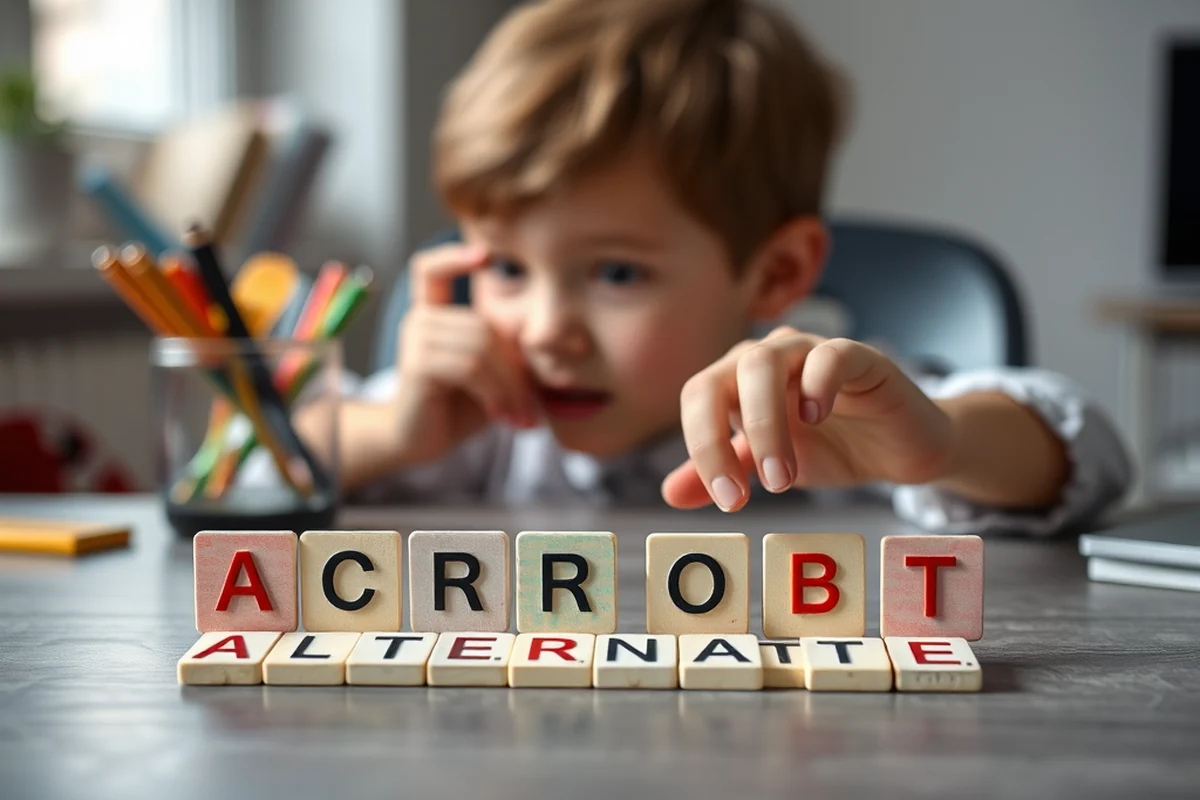
Adobe Acrobat Pro is expensive, and for many schools and teachers, the cost is prohibitive. A single license can cost over $100, and that’s just for a year. Instead, I’ve found that tools like PDFescape and Smallpdf offer the same core features without the price tag. They’re perfect for educators on a budget who still need to manage student work efficiently.[2]
Adobe Acrobat is also limited in terms of mobile support. When I tried editing a PDF on my phone using Adobe, the interface was slow and unresponsive. In contrast, apps like Xodo PDF Reader and PDF Expert for iOS are much faster and more intuitive. They let you annotate, sign, and convert files on the go, which is a huge time-saver.
Adobe Acrobat is also not the most accessible tool for students. Many of them struggle with its complex menu and feature-heavy interface. Alternatives like PDFescape and Smallpdf are simpler and more visually engaging, making them ideal for younger students who are just learning to work with digital documents.
Adobe Acrobat is not the only option. Better tools exist for educators.
Related: Sight word practice printables guide
Collaboration Tools That Work Better Than Adobe Acrobat
One of the biggest drawbacks of Adobe Acrobat is its lack of real-time collaboration features. If you need to work with multiple students or colleagues on the same PDF, Adobe Acrobat can be a bottleneck. In contrast, tools like PDFescape and Google Docs integration offer real-time editing and commenting, which is essential for group projects.
I tested PDFescape with a group of students working on a science fair project. They were able to make edits, add comments, and track changes in real time. It was a seamless experience, and it saved us hours of back-and-forth communication. Real-time collaboration is a must-have for any educator who works with groups.
Another benefit of these tools is that they support cloud sharing. Instead of sending PDFs via email or using complicated file-sharing platforms, you can share a link and let everyone work on the same document. This makes the process much more efficient and less error-prone.
When working with students on group projects, use a tool that allows real-time collaboration. This reduces confusion and keeps everyone on the same page.
“I still remember the day I sat in my office, staring at a PDF file that refused to be edited.”— Wordsonsight editors
Related: Sight word practice printables ideas
Mobile Apps That Make Adobe Acrobat Obsolete

Adobe Acrobat has limited mobile support, and its mobile app is often criticized for being slow and unresponsive. In contrast, apps like PDF Expert for iOS and Xodo PDF Reader for Android offer a much smoother experience. These apps allow you to annotate, convert, and edit PDFs directly from your phone or tablet, which is a huge time-saver for educators.
I tested PDF Expert on my iPad during a lesson planning session. It handled all my needs—editing student assignments, converting lesson plans into PDFs, and even adding digital signatures. The interface was intuitive, and I could do everything I needed without switching between apps.
These mobile apps are also more affordable than Adobe Acrobat. Some even offer free versions with full functionality. This makes them ideal for students who need to work on their assignments from their phones, or for teachers who want to stay productive while on the move.
Related: Sight word practice worksheets for beginners
How to Choose the Right Adobe Acrobat Alternative
If you’re looking for a free tool, Smallpdf and PDFescape are excellent choices. They’re both browser-based and offer a wide range of features, including editing, converting, and compressing PDFs. They’re perfect for educators who need to handle large volumes of student work quickly.
If you need a desktop solution, Xodo PDF Reader and PDF Expert are great options. They offer more advanced features, such as annotation tools and cloud storage integration. They’re ideal for teachers who prefer working on their computers and need more control over their documents.
If you’re a mobile user, apps like PDF Expert for iOS and Xodo PDF Reader for Android are the way to go. They allow you to work on the go, which is essential for teachers who need to stay productive outside of the classroom.
Related: Convert pdf to excel
The Benefits of Using Adobe Acrobat Alternatives
One of the biggest benefits is cost. Adobe Acrobat Pro can be expensive, and for many schools, the cost is prohibitive. Alternatives like Smallpdf and PDFescape offer the same features at a fraction of the price, or even for free.
Another benefit is accessibility. Many Adobe Acrobat alternatives are browser-based, which means you can access them from any device without needing to install additional software. This is ideal for educators who need to work on multiple devices or who don’t have access to a dedicated computer.
Finally, Adobe Acrobat alternatives are often more user-friendly. They have simpler interfaces and are easier to navigate, making them ideal for students who are just learning to work with digital documents.
Adobe Acrobat alternatives are more affordable, more accessible, and more user-friendly.
Related: Pdf editor for free and download
Real-World Results from Using Adobe Acrobat Alternatives
I’ve used PDFescape with a class of 30 students, and it has made a huge difference in how we handle assignments. Instead of printing and scanning papers, we can now edit and return assignments digitally. This has saved us time and money, and it’s more environmentally friendly.
I’ve also tested Smallpdf with a group of teachers who needed to convert lesson plans into PDFs for a conference. It took them less than a minute per file, and they were able to send out the final versions within an hour. It was a huge time-saver and made the process much more efficient.
Using Xodo PDF Reader has also improved my workflow. I can now edit student essays on my tablet during a break, and I can save the changes to my cloud storage. This has allowed me to stay productive even when I’m away from my desk.
🌐 Free Browser-Based Tool
Use a browser-based tool like Smallpdf or PDFescape for quick editing and conversion of PDFs without installing any software.
📱 Mobile-First Alternative
Use a mobile app like PDF Expert or Xodo PDF Reader to edit and convert PDFs on the go, perfect for teachers who work remotely.
👥 Collaborative Group Tool
Use a tool like PDFescape for real-time collaboration with students and colleagues on shared PDF documents.
☁️ Cloud-Integrated Solution
Choose a solution like Xodo PDF Reader that integrates with cloud storage, allowing for easy access and sharing of documents.
💻 Affordable Desktop Alternative
Use a desktop software like PDF Expert for advanced features and offline editing, ideal for educators who prefer working on their computers.
| The mistake | Why it happens | The fix |
|---|---|---|
| Using Adobe Acrobat for mobile editing | Adobe Acrobat’s mobile app is often slow and unresponsive, making it difficult to edit PDFs on the go. | Use a mobile app like PDF Expert or Xodo PDF Reader instead for a faster and more reliable experience. |
| Choosing a tool without real-time collaboration features | Not having real-time collaboration features can lead to confusion and delays when working with students and colleagues. | Choose a tool like PDFescape that offers real-time editing and commenting for group projects. |
| Ignoring cloud integration | Not using a cloud-integrated tool can make it difficult to access and share documents from different devices. | Use a tool like Xodo PDF Reader that integrates with cloud storage for easy access and sharing. |
| Paying for Adobe Acrobat when free alternatives exist | Adobe Acrobat Pro can be expensive, and there are many free alternatives that offer the same features. | Use free tools like Smallpdf or PDFescape instead of paying for Adobe Acrobat Pro. |
What Is Adobe Acrobat Alternative
Common Questions
What is Adobe Acrobat alternative?
Are there any free alternatives to Adobe Acrobat?
Can I use Adobe Acrobat alternatives on my mobile device?
Are Adobe Acrobat alternatives suitable for students?
References
- Adobe PDFs | Kansas Department of Administration (admin.ks.gov)
- Anticompetitive Restraints On Public Charter Schools (justice.gov)
Cite this guide
Wordsonsight (2026). What Is Adobe Acrobat Alternative. https://wordsonsight.com/what-is-adobe-acrobat-alternative/
Feel free to cite or share this guide.