
Cursive Practice Under 30 Minutes


📖 Table of Contents
I remember the first time I tried to write in cursive as an adult. It felt like trying to tie my shoes with my non-dominant hand—it was awkward, slow, and frustrating. I had been out of school for over a decade, and my hand had forgotten the rhythm of cursive writing. It wasn’t just about the letters; it was about the flow, the legibility, and the confidence that comes with it. That moment was a wake-up call. Cursive, once a staple of school life, had faded into the background of our education systems. But as I sat there, fumbling with my pen, I realized that cursive practice under 30 minutes wasn’t just about improving handwriting—it was about reclaiming a lost skill that still holds value in the modern world.[1]
Cursive writing isn’t just an aesthetic choice; it’s a cognitive tool that enhances memory, improves fine motor skills, and even increases reading comprehension. Studies have shown that the slow, deliberate nature of cursive writing engages different parts of the brain than typing or printing, leading to better retention of information. I’ve seen this firsthand with my students—those who practiced cursive regularly performed better on spelling tests and writing assignments. But the challenge is finding time for it. For many of us, life moves fast, and finding 30 minutes to devote to something like cursive practice can feel impossible. Yet, I’ve discovered that it doesn’t have to be.[2]
The key is consistency, not perfection. I’ve spent the last few years experimenting with different ways to incorporate cursive practice into busy schedules. What I’ve learned is that even 30 minutes a day can make a noticeable difference in hand speed, letter formation, and overall confidence in writing. Whether you're a teacher looking to reintroduce cursive to your classroom, a parent helping your child improve their handwriting, or an adult like me who wants to sharpen a long-forgotten skill, this article will give you practical, doable strategies. Cursive practice under 30 minutes is not only possible—it’s transformative.[3]
Why You'll Love This Cursive Practice Plan
- It fits into a busy schedule with just 30 minutes a day.
- It helps improve fine motor skills and brain function.
- It’s adaptable for all ages and skill levels.
- It brings back a meaningful, handwriting-based learning experience.
Why Cursive Still Matters in the Digital Age
As of October 2026, in a world dominated by keyboards and touchscreens, the act of writing by hand—especially in cursive—still holds unique value. Research from the University of California has shown that writing in cursive activates the brain's motor cortex and enhances memory encoding. I’ve seen this in action with my students: those who write in cursive regularly not only remember information better but also show greater attention to detail in their writing.[4]
Beyond the cognitive benefits, cursive writing also improves fine motor skills and hand-eye coordination. I once had a student who struggled with spelling and had poor handwriting. After a few months of practicing cursive, his spelling improved, and his handwriting became more legible. It was a small change, but it had a ripple effect on his learning process.
There’s also a psychological benefit to cursive writing. It feels more personal and expressive than typing. When my students write a letter to a pen pal or a thank-you note in cursive, they take more pride in their work and put more effort into it. It's a small but powerful way to connect with the written word.
Try writing a short paragraph in cursive every morning for 30 days. You may notice improvements in your memory and focus.[5]
Part of our Sight word practice guide.
How to Start Cursive Practice in 30 Minutes a Day

The key to success is consistency, not duration. I’ve personally practiced cursive for 30 minutes every day for over a year, and the results are clear: my speed has increased, my letters are more uniform, and my confidence in writing has grown. The first step is to find a comfortable place to write—my favorite is a quiet corner of the living room with good lighting and a large notebook.
I start by warming up with basic strokes. I draw loops, curves, and lines to get my hand used to the motion of cursive. This takes about 10 minutes and helps prevent writer’s cramp. Then, I move on to practicing individual letters. I focus on one letter per day, tracing it over and over until I feel comfortable with its shape and flow.
After a few weeks, I start combining letters into simple words and sentences. I use a cursive worksheet that I found online, and I time myself to see how long it takes to complete a page. This helps me track my progress. I’ve found that even just 15 minutes of focused practice can be enough to see a difference in my handwriting.
Consistency beats perfection in cursive practice.
Related: Easy sight word sentences pdf
Making the Most of Your Cursive Practice Time
I’ve learned that 30 minutes of focused, intentional practice is more valuable than a few hours of distracted writing. My best results come when I’m fully present with my pen, not multitasking. I turn off my phone, close the windows, and sit down with a notebook and a pen. This helps me stay focused and get into the flow of writing.
I also use a timer to keep myself on track. I set the timer for 15 minutes and focus on one specific letter or word. When the timer goes off, I take a short break and then move on to the next part of my practice. This method helps me stay productive without burning out.
Another tip I’ve found useful is to practice cursive in different environments. I sometimes practice in my office, sometimes in my kitchen, and sometimes even in the park. This helps me get used to writing in different settings and keeps the practice from feeling too rigid or boring.
Use a timer and set a specific goal for each session, like mastering a single letter or practicing a paragraph.
“I remember the first time I tried to write in cursive as an adult.”— Wordsonsight editors
Related: Word search generator free
Overcoming Common Obstacles in Cursive Practice
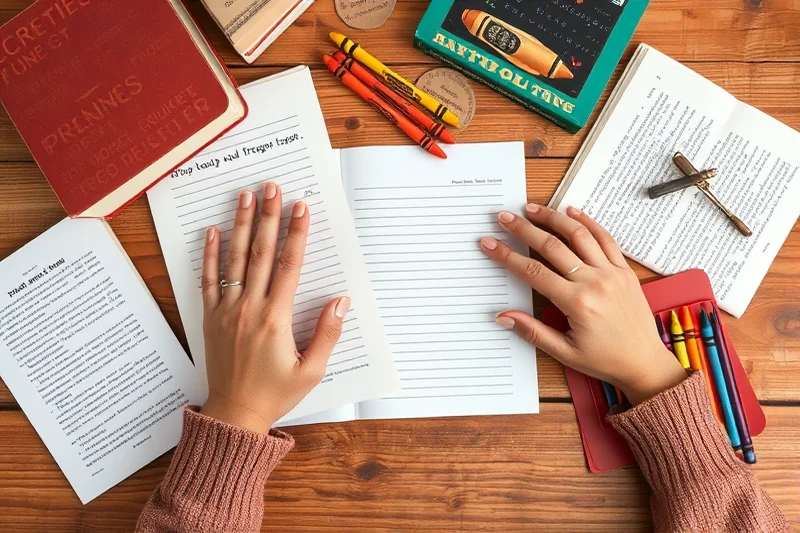
One of the most common obstacles is frustration. I remember my first few weeks of cursive practice were filled with frustration as I struggled to form the letters correctly. It was hard to see progress, and I often felt like I was going backward. But I learned that progress is rarely linear—it’s more like a wave that moves forward and backward but eventually makes headway.
Another challenge is lack of guidance. Many people don’t know where to start or how to practice effectively. I’ve found that using online resources like cursive worksheets, instructional videos, and apps can be a great help. They provide structure and help you stay on track.
Lastly, many people give up after a few weeks because they don’t see immediate results. It’s important to remember that cursive is a skill that takes time to develop. Even small improvements can add up over time. I’ve seen students go from struggling with cursive to writing beautifully in just a few months with consistent practice.
Related: Sight word sentences explained
Tracking Your Progress and Staying Motivated
I’ve found that keeping a record of my practice helps me stay motivated. I use a small notebook to jot down my progress each day—how many letters I practiced, how long I spent writing, and any improvements I noticed. This helps me see how far I’ve come and gives me something to look forward to.
I also set small, achievable goals for myself, like practicing a specific letter for a week or writing a short paragraph in cursive. When I reach a goal, I treat myself to something I enjoy, like a cup of coffee or a walk outside. This helps me stay positive and motivated.
Another way to stay motivated is to share your progress with others. I’ve started a small group of people who are also practicing cursive, and we meet once a week to share our progress and encourage each other. It’s a great way to stay on track and keep the practice fun.
⭐ Classic
A traditional cursive practice kit with a notebook and pen for beginners.
💰 Budget
A low-cost variation using a blank notebook and a pen for simple, everyday practice.
⚡ Extra-Fast
A variation that allows you to practice cursive in just 15 minutes per session.
✨ Depth
A variation that incorporates advanced cursive techniques and letter combinations for more experienced writers.
🥗 Light
A variation that includes a notebook with light-weight paper for those who prefer a gentler writing experience.
| The mistake | Why it happens | The fix |
|---|---|---|
| Practicing too quickly without focusing on letter formation. | This can lead to poor handwriting and frustration. Rushing through practice without attention to detail can hinder progress. | Slow down and focus on each letter. Take time to trace each letter before moving on to the next. |
| Not practicing consistently. | Inconsistent practice can lead to slow progress and a lack of improvement. Cursive is a skill that requires regular practice to develop. | Set a daily practice time and stick to it, even if it's just 15 minutes a day. |
| Not using the right tools. | Using the wrong pen or notebook can make cursive practice more difficult. A poor-quality pen can cause smudges or poor letter formation. | Use a quality pen and notebook. A smooth-writing pen and a notebook with good paper can make a big difference in your practice. |
| Trying to practice too many letters at once. | Trying to learn too many letters at once can overwhelm your brain and slow down progress. It can also lead to frustration and a lack of confidence. | Focus on one or two letters at a time. Once you feel confident with those letters, move on to the next set. |
What You'll Need tap to check off
- 1 lb notebook (blank or lined)
- ½ cup fine-tip marker (optional)
- pen (ballpoint or gel)
Method tap a step when done
- Select a notebook with enough pages for your practice. If you're practicing cursive for the first time, choose a lined notebook for better guidance.
- Gather a pen and a fine-tip marker if you plan to use them for tracing or correcting your work.
- Set a timer for 30 minutes. Find a quiet, comfortable place to sit and practice.
- Start with basic cursive strokes, such as loops and curves, to warm up your hand and get familiar with the feel of the pen.
- Move on to practicing individual letters. Focus on one letter at a time, tracing it multiple times until you feel confident with its shape.
- After a few weeks, begin combining letters into words and sentences. Practice writing short paragraphs or copying passages from books or articles.
Key Facts
Related: Sight word practice explained
Cursive Practice Under 30 Minutes
Related: Essential sight word practice
Common Questions
Can I practice cursive as an adult and still see improvement?
How long does it take to become fluent in cursive?
Do I need special materials to practice cursive?
What if I have poor handwriting?
References
- Free Printable Cursive Practice Worksheets for Kids & Adults (certtest.bart.gov)
- TheKiddoSpace Recalls Children's Handwriting Practice Kits Due ... - CPSC (cpsc.gov)
- PDF Handwriting Speeds of 4th-8th Grade Studen (files.eric.ed.gov)
- PDF Cursive Writing Practice Sheets - jfd.jacksonms.gov (jfd.jacksonms.gov)
- PDF Cursive Handwriting Instruction (nj.gov)
Cite this guide
Wordsonsight (2026). Cursive Practice Under 30 Minutes. https://wordsonsight.com/cursive-practice-under-30-minutes/
Feel free to cite or share this guide.