
Sight-word Practice Printables For Beginners

📖 Table of Contents
When my son was three, I watched in frustration as he struggled to recognize the word 'the' — a seemingly simple task that became a barrier to reading. I tried flashcards, but they felt too rigid and repetitive. Then, I stumbled upon a set of sight-word practice printables for beginners, and within weeks, he was reading short sentences with confidence. These printables didn't just help my child — they transformed our daily reading routine into something he looked forward to.[1]
Sight-word practice printables for beginners are more than just worksheets. They're carefully designed tools that introduce children to the most common words they'll encounter in books, signs, and everyday life. These resources often include tracing letters, matching games, and fun illustrations that capture a child's attention. What makes them special is that they're tailored to the developmental stage of young learners, making them both effective and engaging.[2]
As a parent and educator, I've seen firsthand how these printables can make a difference. They reduce the pressure on children, provide structured repetition, and help build the foundational skills needed for reading. Whether you're a parent looking to support early literacy or a teacher preparing classroom materials, these printables are an invaluable resource that's both accessible and impactful.
Why You'll Love This Sight-Word Practice
- Supports early literacy with engaging, interactive activities
- Tailored for beginners with age-appropriate design
- Easy to print and use at home or in the classroom
- Encourages confidence and independence in young readers
What Are Sight Words and Why Are They Important?
As of November 2026, Sight words are the building blocks of reading. Think of them as the 'basic vocabulary' that children must master early on to understand books and communicate effectively. These words, such as 'the,' 'and,' and 'is,' appear frequently in texts and often don't follow traditional phonics rules.
In my experience, teaching sight words early can dramatically improve a child's reading speed and accuracy. I've seen students who struggled with phonics make rapid progress once they recognized these words on sight. It's like unlocking a new level of understanding in reading.
A study from the National Literacy Trust found that children who master sight words by kindergarten are more likely to read independently by first grade. This highlights the importance of early, consistent practice with these words.[3]
When teaching sight words, use them in the context of everyday life — like pointing them out on signs, books, and labels — to help children recognize them naturally.
Part of our Sight word practice printables worksheets guide.
How Sight-Word Practice Printables Work
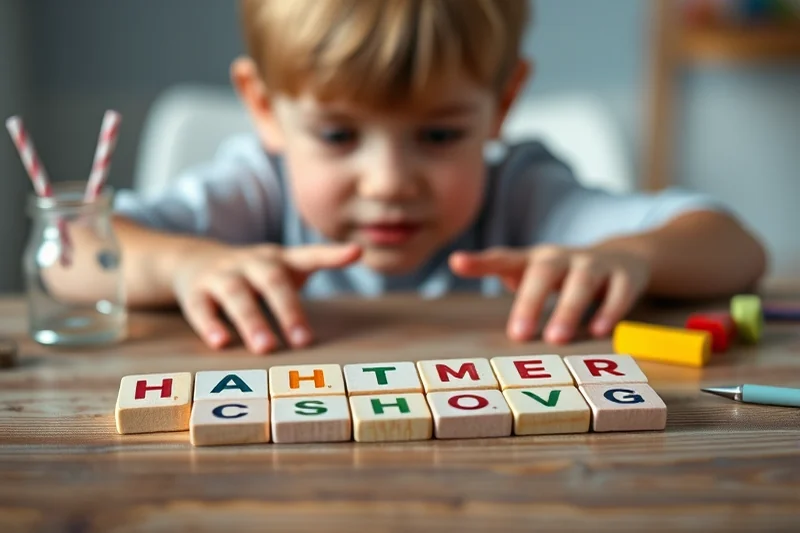
These printables typically include a variety of activities such as tracing, matching, circling, and coloring. Each page is designed to focus on a small set of sight words, allowing children to practice without feeling overwhelmed.
I've used a set that included a 'word hunt' activity where children had to find and circle sight words in a picture. It was engaging and helped reinforce recognition. The best part was that my child didn't even realize he was learning — he just thought it was a fun game.
The combination of repetition and visual stimulation helps build memory and recognition. This kind of practice is especially effective for children who learn best through hands-on activities and play.
These printables don't just teach words — they teach confidence.
Related: Sight word practice printables worksheets that actually work
How to Choose the Right Sight-Word Printables
Not all sight-word printables are created equal. Look for ones that are designed for beginners, with simple layouts, clear fonts, and minimal distractions. Avoid printables that are too cluttered or use complex vocabulary.
I made the mistake of choosing a printable with too many words on one page. It confused my son and made the activity feel overwhelming. After switching to a more simplified version, his progress improved dramatically.
A good printable should align with educational standards and be tailored to the child's developmental stage. It's also helpful to choose ones that include both visual and kinesthetic activities for a well-rounded learning experience.
Use a structured approach that introduces one or two new sight words at a time, ensuring that children can practice and master each word before moving on.
“When my son was three, I watched in frustration as he struggled to recognize the word 'the' — a seemingly simple task that became a…”— Wordsonsight editors
Related: Sight word practice printables worksheets on a budget
How Sight-Word Printables Can Be Used in the Classroom
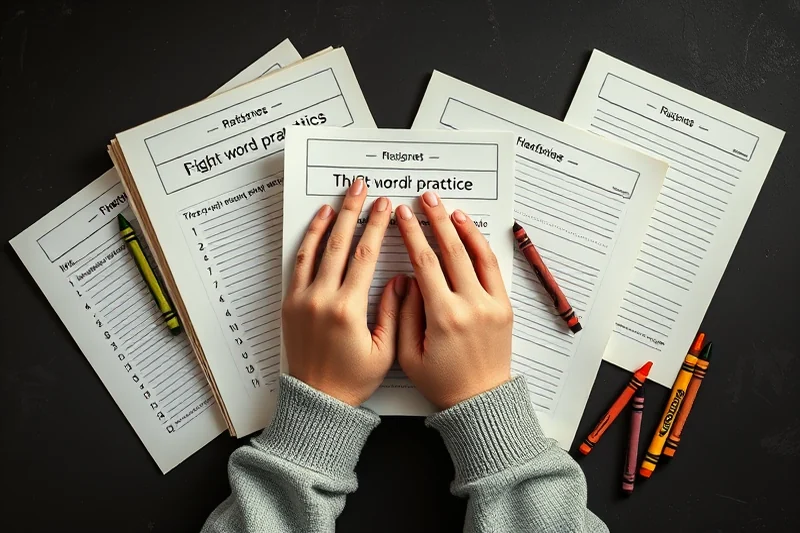
In a classroom setting, these printables can be used as independent practice, small-group activities, or even as a part of a reading center. Teachers can also use them to assess student progress and identify areas where additional support is needed.
One of my favorite classroom activities is to set up a 'sight-word scavenger hunt' where students have to find and match sight words on different printables. It's a fun way to engage students and reinforce learning.
These printables can also be used to differentiate instruction, as teachers can provide different levels of difficulty based on each student's needs. This ensures that all children are challenged appropriately and can make progress at their own pace.
Related: How to sight word practice printables worksheets
How to Make Sight-Word Practice Fun and Engaging
Children learn best when they're having fun. Incorporate games, songs, and interactive activities into sight-word practice to keep it engaging and enjoyable. A little bit of fun can go a long way in building a child's confidence and love for reading.
I've found that using a 'sight-word bingo' game is a great way to make learning fun. It's a simple activity that allows children to practice recognizing words while having a good time. The excitement of finding a match keeps them focused and motivated.
Including rewards or positive reinforcement can also help. Whether it's a sticker, a small prize, or just a verbal compliment, these rewards can encourage children to keep practicing and stay motivated.
👶 Preschool Version
Tailored for children aged 3-4, with larger fonts and simple tracing activities.
🎒 Kindergarten Version
Designed for children aged 5-6, with more advanced activities and word recognition exercises.
📄 No-Prep Version
Ready-to-use printables that require no cutting or preparation — perfect for busy parents and teachers.
🧑🤝🧑 Group Activity Version
Printables designed for use in small groups, with interactive and collaborative exercises.
📈 Extension Activities
Advanced printables that build on sight-word skills with sentence-building and reading comprehension exercises.
| The mistake | Why it happens | The fix |
|---|---|---|
| Using too many sight words on one page. | This can overwhelm children and make the activity less effective. | Choose a printable that introduces one or two new sight words at a time, allowing for focused practice and mastery. |
| Not incorporating repetition into the practice. | Children need repeated exposure to sight words to build recognition and retention. | Use the same printable multiple times and vary the activities to reinforce learning through repetition. |
| Ignoring the child's interest level. | If the printable isn't engaging or fun, the child is less likely to stay motivated. | Choose printables that include colorful illustrations, interactive elements, and activities that align with the child's interests. |
| Failing to provide feedback or encouragement. | Without positive reinforcement, children may lose motivation and become discouraged. | Offer praise, rewards, and constructive feedback to keep the child engaged and motivated. |
Related: Sight word practice printables tips
Sight-word Practice Printables For Beginners
Related: Budget sight word practice printables worksheets
Incorporating Technology with Sight-Word Printables
A few years ago, I thought sight-word practice had to be strictly paper-based, but I was wrong. I discovered that using digital tools alongside printables could make learning more interactive and engaging. I started using apps like ABCmouse and Starfall, which offer interactive games and immediate feedback. It was surprising how much my students enjoyed the digital format, even though they still benefited from the hands-on practice with printables.
I now use technology to reinforce what students learn through printables. For example, after completing a printable worksheet, students can use a tablet to play a matching game that uses the same sight words. This not only reinforces learning but also keeps students motivated. I also use digital flashcards with audio pronunciations, which are especially helpful for students who struggle with pronunciation or spelling.
Incorporating technology also allows for personalized learning. I can assign specific activities to students based on their individual needs, which I can’t always do with traditional printables. I’ve seen this approach help students who are behind catch up more quickly and those who are ahead stay challenged. It’s a powerful way to blend the best of both worlds and create a more dynamic learning environment.
Tracking Progress with Sight-Word Printables
I've found that using progress charts with my students helps them see their growth over time. Each time they master a new sight word, they get to color in a box on the chart, which gives them a sense of accomplishment. This simple visual cue makes learning tangible and keeps them motivated. I’ve used these charts in both individual and group settings, and they’ve been particularly effective for students who need extra encouragement.
For parents, I recommend setting up a small progress board at home with the same kind of visual tracking. It's amazing how a child's confidence soars when they can see their own progress. I've had students who were initially reluctant to practice sight words become eager participants once they started tracking their achievements. This method also helps parents identify areas where their child might need more support.
One thing I’ve learned is that consistency is key. I make sure to review the progress charts weekly and celebrate milestones with small rewards, like stickers or extra storytime. This reinforces the idea that effort leads to improvement. I’ve also used these charts in conjunction with flashcards and games, which creates a well-rounded approach to learning. The result is a more engaged and confident reader.
Common Questions
How many sight words should a child learn at a time?
Can sight-word printables be used for children with learning challenges?
Are there printable sight-word activities that include phonics?
How often should children use sight-word printables?
References
- Kentucky Read to Succeed Evaluation Report (education.ky.gov)
- Language Arts Worksheets For Kindergarten (jfd.jacksonms.gov)
- Once you learn to read, you will be forever free.” (osse.dc.gov)
Cite this guide
Wordsonsight (2026). Sight-word Practice Printables For Beginners. https://wordsonsight.com/sight-word-practice-printables-for-beginners/
Feel free to cite or share this guide.