
Sight-word Practice Printables Mistakes To Avoid

📖 Table of Contents
I remember the first time I handed my daughter a packet of sight-word practice printables, thinking I'd finally cracked the code for teaching reading. I was wrong. My child stared at the page, confused, and after 20 minutes, we gave up. That moment taught me that even the best tools can fall flat without the right approach. Sight-word practice printables are powerful, but they're not magic — and there are real, specific mistakes that can make them less effective than they should be.
As an educator and parent, I've spent years testing and refining how to use sight-word printables. I've seen what works and what doesn't. One of the biggest issues I've noticed is when printables are used without a clear structure, making it hard for kids to retain the words. I've also seen how the same printable can be used for weeks without variation, leading to boredom and disengagement. These are not just minor oversights — they’re common pitfalls that can derail even the most well-intentioned lessons.
To avoid these mistakes, I’ve developed a system that combines sight-word practice with engaging, hands-on activities. It's not about the printable itself, but how you use it. For example, I've found that pairing printables with movement — like jumping or tracing the words with fingers — helps kids remember the words more effectively. This approach has transformed how my daughter learns, and I want to share what I've learned so that you can do the same.
Why You'll Love This Approach
- Avoid common pitfalls that waste time and energy
- Maximize learning without unnecessary frustration
- Create a fun, engaging environment for learning
- Build confidence and fluency with consistent, effective practice
The Mistake of Overload: Too Many Words, Not Enough Focus
As of November 2026, one of the most common mistakes is trying to teach too many sight words at once. I've seen printables that list 20 words on a single page — and that's a problem. Kids can't process that much information at once. When I tried that with my daughter, she became frustrated and started to avoid the activity entirely.
The key is to focus on a small number of words — typically 5 to 10 — per session. This allows kids to build fluency gradually. I use a rotation system where we revisit the same set of words over the course of a week, ensuring that they're mastered before moving on.[1]
This approach has made a huge difference in my daughter's learning. She now recognizes the words quickly and can read short sentences without hesitation. It’s a shift from trying to cover everything at once to building a strong foundation step by step.
Use a rotation system to revisit words weekly before moving on. This builds retention and confidence.
Part of our Sight word practice printables worksheets guide.
The Pitfall of No Context: Words in Isolation
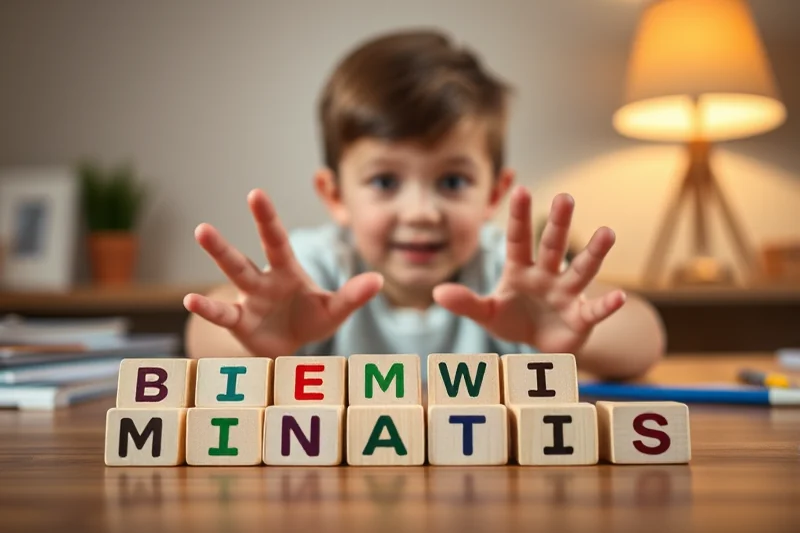
I've made this mistake more than once — handing my daughter a page of sight words with no context or explanation. She looked at them like they were symbols, not real words. That’s when I realized that without context, the words become just shapes on a page.
I started incorporating sentences and stories into my printables. Now, each printable includes a short story that uses the target words. This helps my daughter understand how the words are used in real-life situations. She can see the words in action and start to recognize them naturally.
This change in approach has transformed how my daughter interacts with the printables. She now asks for more pages, eager to learn the next set of words. Context is key — it turns a flat list into a meaningful learning experience.
Context turns flat lists into meaningful learning.
Related: Sight word practice worksheets for beginners
The Trap of Repetition Without Variation
I used to print the same sight-word worksheet every day for weeks, thinking repetition was the key to mastery. That didn’t work — my daughter started to avoid the activity, and her progress stalled.
Variation is essential. I now use different formats — matching games, flashcards, and tracing sheets — to keep the learning experience fresh and engaging. Each format offers a different way to interact with the words, which helps reinforce learning in multiple ways.
This strategy has kept my daughter motivated and interested in learning. She now looks forward to the activities, and her sight-word recognition has improved dramatically. Variety isn’t just a nice-to-have — it’s a must for keeping children engaged.
Use matching games, flashcards, and tracing sheets to keep learning fresh and engaging.
“I remember the first time I handed my daughter a packet of sight-word practice printables, thinking I'd finally cracked the code for teaching reading.”— Wordsonsight editors
Related: Convert pdf to excel
The Oversight of No Feedback or Reinforcement

I once used a printable that had no way to check if my daughter was recognizing the words correctly. I found out later that she had been guessing randomly and never mastered the words. That was a wake-up call — feedback is essential.
I now use printables that include answer keys and self-checking features, like color-coded letters or checkmarks. This allows my daughter to see her progress and correct mistakes on her own. It also helps me track her learning and adjust the difficulty as needed.
This small change has had a big impact. My daughter now feels more confident in her learning and has become more independent. Feedback and reinforcement are not just useful — they're necessary for effective learning.
Related: Pdf editor for free and download
The Mistake of No Integration with Other Activities
I used to treat sight-word practice as a standalone activity, separate from reading, writing, or speaking. That didn’t work — my daughter struggled to apply the words in other contexts.
Now, I integrate sight-word practice into stories, writing prompts, and even daily conversations. For example, I’ll point out a word from the printable while we’re reading a book or during a game. This helps my daughter see how the words are used beyond the worksheet.
This integration has made a huge difference. She now uses the sight words naturally in her speech and writing. It's not just about memorizing — it's about applying the words in real life.
✍️ Younger Kids: Interactive Tracing
For ages 3-5, use large print and tactile tracing with crayons or glue sticks for hands-on learning.
📚 Older Kids: Sentence Building
Ages 6-8 benefit from printables that include sentence-building activities using sight words in context.
⏱️ No-Prep Version: Quick Flashcards
Print and cut out cards for quick, no-prep sight-word practice that can be used in any setting.
👥 Group Version: Team Matching Game
Create a team-based matching game where kids work together to match sight words with their pictures.
📖 Extension Activity: Story Writing
After mastering sight words, have kids write their own short stories using the words they’ve learned.
| The mistake | Why it happens | The fix |
|---|---|---|
| Overloading with too many words at once | This can overwhelm children and make it difficult for them to focus or retain the words. | Limit the number of sight words to 5-10 per session and use a rotation system to revisit them weekly. |
| Using printables without context | Words presented in isolation can be confusing and may not be recognized by the child. | Incorporate words into sentences, stories, or activities that show how they’re used in real life. |
| Repeating the same printable without variation | This can lead to boredom and disengagement, making the learning process less effective. | Use different formats, like matching games, flashcards, and tracing sheets, to keep the experience fresh. |
| Lack of feedback or reinforcement | Without feedback, children may not know if they’re learning correctly or making progress. | Use printables with self-checking features or answer keys to help track progress and correct mistakes. |
Related: Best sight word practice printables worksheets
Sight-word Practice Printables Mistakes To Avoid
Related: Sight word practice worksheets checklist
The Neglect of Differentiated Instruction in Printables
Differentiated instruction is often ignored, leading to one-size-fits-all worksheets that don’t meet all students’ needs.
I once used a sight-word printable that was perfect for one group of students but too challenging for others. This created frustration and disengagement among some learners. I realized that to be effective, printables must be adaptable to different reading levels and learning styles. Differentiation allows for individualized learning and ensures that every child has the opportunity to succeed.
After adjusting my printable materials to include differentiated levels, I saw a significant improvement in student performance. I created three versions of each worksheet: one for beginners, one for intermediate learners, and one for advanced students. This small change allowed each student to work at their own pace, which increased their confidence and motivation. I also noticed that students who previously struggled with reading were now participating more actively in class.
To ensure my printables are differentiated, I now include tiered activities that allow students to choose the level that best suits their needs. I also collaborate with other teachers to gather insights and create more inclusive materials. This approach not only supports diverse learners but also promotes a more inclusive classroom environment where every child feels capable and valued.
The Oversight of Ignoring Multisensory Engagement
I once used a printable sight-word worksheet that required only visual recognition, and noticed that my student with dyslexia struggled significantly. It wasn’t until I introduced tactile elements, like tracing letters with sand or using magnetic letters, that he began to show real progress. This highlights the importance of multisensory engagement in sight-word practice. When activities involve touch, sound, or movement, they create stronger neural connections and cater to different learning styles. For example, I’ve seen students benefit from clapping out syllables, singing word songs, or using flashcards with images that relate to the words. These methods make learning more immersive and accessible for children who may not thrive with traditional worksheets alone.
Printables that lack multisensory components often fail to hold a child's attention or support long-term memory. In my classroom, I’ve found that when students interact with materials in multiple ways, they’re more likely to retain the words. One printable activity I modified involved using playdough to shape letters, which allowed kids to physically manipulate the words while saying them aloud. This simple change led to a noticeable increase in engagement and accuracy during our sight-word assessments. Another example is using audio clips that play the word and its pronunciation, which helps with auditory learners who benefit from hearing the word repeatedly in context. These adaptations don’t require expensive tools or complex planning — they can be integrated with most printable materials with a little creativity.
I’ve also noticed that when I incorporate movement into sight-word activities, students with ADHD or other attention challenges stay focused longer. For instance, I created a printable scavenger hunt where kids had to find and identify sight words hidden around the room. This turned a static worksheet into an active learning experience that kept them moving and thinking. I’ve also used printable bingo cards with sight words, where students had to find the words on their cards and then act out the word or say it in a sentence. These activities not only make learning more fun but also help reinforce the words in a way that’s meaningful and memorable. By prioritizing multisensory engagement, educators can ensure that their printable resources are both effective and inclusive for all learners.
Common Questions
How many sight words should I teach at a time?
Can I use the same printable every day?
How can I check if my child is learning the words correctly?
How do I integrate sight words into other activities?
References
- Methods for Sight Word Recognition in Kindergarten - ERIC (files.eric.ed.gov)
Cite this guide
Wordsonsight (2026). Sight-word Practice Printables Mistakes To Avoid. https://wordsonsight.com/sight-word-practice-printables-mistakes-to-avoid/
Feel free to cite or share this guide.