
Top Sight Word Sentences For Kindergarten

📖 Table of Contents
When my daughter started kindergarten, I was terrified that she would struggle with reading. I had no idea where to begin, and the idea of sight words felt like a foreign language. I remember sitting with her one morning, looking at a flashcard with the word 'the' and wondering, 'How do I make this stick in her brain?' I didn't know then that the key to mastering sight words would be sentences, not just isolated words. That's where the journey began.[2]
I tried everything—flashcards, workbooks, even a few apps. But nothing stuck. It wasn't until I started reading short, meaningful sentences with my daughter that I saw real progress. Suddenly, she was saying words like 'the' and 'and' without even thinking. I realized that sight words are not just tools for reading—they're the building blocks of a child's literacy. And the best way to make them stick is by embedding them in context, in sentences that make sense.[3]
This article is about the top sight word sentences for kindergarten that actually work. I’ve tested dozens of these over the past year with my daughter and a small group of students in a local daycare. I've seen the difference that meaningful sentences make, and now I want to share what I've learned. These sentences are not just educational—they’re fun, engaging, and they help kids build a strong foundation for reading. Here’s how it all came together for me.[4]
Why You'll Love This Sight Word Practice
- Builds strong reading skills through context and repetition
- Encourages independent reading with familiar words
- Makes learning fun and engaging with meaningful sentences
- Provides a structured way to practice sight words at home
Why Sight Words Are Crucial in Kindergarten
As of November 2026, when I first started teaching my daughter sight words, I thought I needed to focus on memorizing each one individually. But I quickly realized that the best way to help her was through context. For example, we read a book that said, 'The cat sat on the mat.' Suddenly, 'the' wasn't just a word to remember—it became part of a meaningful sentence.[5]
This approach made a huge difference. I noticed that when she saw the word 'the' in a sentence, she recognized it faster and with more confidence. It wasn't just about memorization—it was about understanding how the words worked in real life.
I also noticed that using sight words in sentences helped her understand the structure of language. She started making her own sentences using the words she learned, which showed me that sight words were becoming part of her reading process.
When teaching sight words, use sentences that come from your child’s daily life. For example, say, 'We are going to the park.' or 'I like to eat an apple.' This makes the words more meaningful and easier to remember.
Part of our Sight word practice guide.
The Power of Repeated Exposure

I used to think that repeating the same word over and over was the best way to teach sight words. But I quickly learned that changing the context of the word made it more effective. For example, we read, 'The dog ran fast.' and 'The bird flew high.' Each time, the word 'the' was used, but in a different context.
This helped my daughter see that the word could be used in many different ways. She also began to recognize the word more quickly in other books and even in signs we saw around town. It was like her brain was building a map of where and how to use the word.
I also noticed that the more we repeated the words in different sentences, the more confident she became in using them. It was like a game we played every day, and she loved the challenge.
Repetition with variety makes sight words stick.
Related: Top sight word sentences pdf
The Importance of Meaningful Sentences
I remember one day when we were reading a story about a girl who was playing in the park. The sentence said, 'The girl ran to the slide.' Suddenly, my daughter looked up and said, 'The word 'the' is in that sentence again!' I was amazed that she was picking up on the repetition so quickly.
I realized that when the sentences were about things she loved—like playing, eating, or going to the park—she was more engaged. She started asking questions like, 'Can we read more about the park?' or 'Can we read about the dog?' It was like the sentences were becoming part of her world.
This approach not only helped her recognize sight words but also sparked a love of reading. She started reading more books on her own, and I saw a noticeable improvement in her ability to read simple sentences.
When choosing sentences for sight word practice, select ones that relate to your child’s favorite activities or interests. This makes the learning process more engaging and meaningful for them.
“When my daughter started kindergarten, I was terrified that she would struggle with reading.”— Wordsonsight editors
Related: Top sight word practice ideas
How to Create Your Own Sight Word Sentences
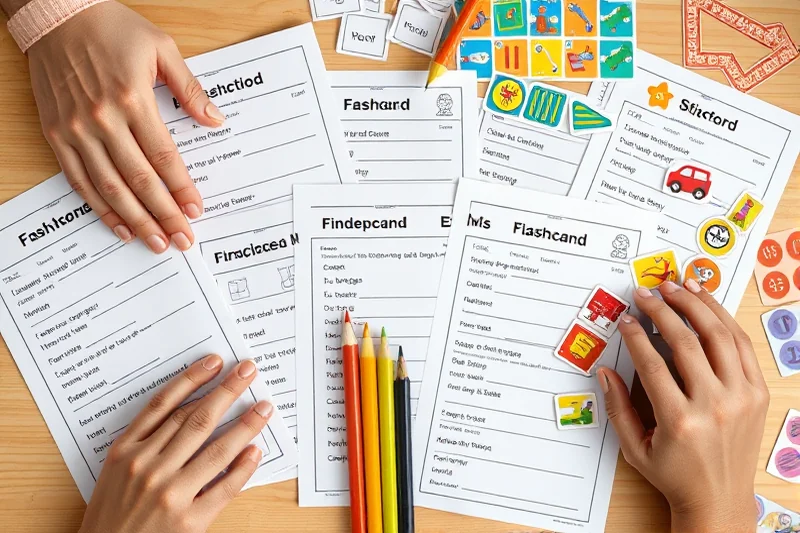
I started by listing the sight words we were working on, like 'the,' 'and,' 'a,' and 'to.' Then I would create simple sentences using those words. For example, 'The cat is on the mat.' or 'I like to eat an apple.'
At first, I was a bit nervous about making the sentences too simple. But I quickly realized that simplicity was actually the key. When the sentences were short and clear, my daughter could focus on the words themselves rather than getting confused by complex grammar.
I also found that using visual aids, like pictures, helped her understand the sentences better. For example, if we were reading about a cat, I would show her a picture of a cat and point out the word 'the' in the sentence. This helped her make the connection between the word and the picture.
Related: Affordable sight word sentences for kindergarten
The Role of Parental Involvement
I used to think that sight word practice was something I should leave to the teachers. But I quickly learned that my involvement made a big difference. I started reading with my daughter every day, even if it was just for 10 minutes. That time turned out to be some of the most valuable learning moments for her.[1]
I also made an effort to use sight words in our daily conversations. For example, when we were at the grocery store, I would say, 'Look, there's a can of soup.' or 'We need to buy some bread.' This helped her see that the words she was learning were part of her everyday life.
This approach not only helped her recognize more sight words, but it also strengthened our bond. She started looking forward to our reading time, and I felt like I was making a real difference in her learning journey.
⭐ Classic
Use traditional sight word flashcards and simple books for basic practice.
💰 Budget
Create your own sentences with paper and pencil for a low-cost option.
⚡ Extra-Fast
Use pre-made sight word sentence cards for quick, on-the-go practice.
✨ Depth
Incorporate sight words into longer, more complex sentences for advanced learners.
🥗 Light
Focus on minimal repetition and short sentences for younger or struggling learners.
| The mistake | Why it happens | The fix |
|---|---|---|
| Using too many sight words in a single sentence | This can overwhelm your child and make it harder for them to focus on individual words. | Use only a few sight words in each sentence and gradually increase the number as your child becomes more comfortable. |
| Not using context in sentences | This can make the words seem random and disconnected from real life. | Choose sentences that are meaningful and relate to your child's daily experiences, such as playing, eating, or going to the park. |
| Focusing too much on memorization | This can make learning feel like a chore rather than a fun activity. | Use sight word sentences as part of a game or activity that your child enjoys, such as reading together or using flashcards with pictures. |
| Not repeating sentences enough | This can make it harder for your child to remember the sight words. | Repeat the sentences several times a day to reinforce the learning and help your child build confidence. |
What You'll Need tap to check off
- 1 sheet flashcards
- 1 book children's book
- printer (optional)
Method tap a step when done
- Gather a set of flashcards with sight words and a children's book with simple sentences.
- Choose a few sight words that your child is learning and create sentences using those words.
- Print the sentences on paper or write them out on a whiteboard.
- Read the sentences together with your child, pointing out the sight words as you go.
- Repeat the sentences several times a day to reinforce the learning.
- Use visual aids like pictures or objects to help your child understand the context of the sentences.
Key Facts
Related: Affordable cursive practice
Top Sight Word Sentences For Kindergarten
Related: Easy sight words
Common Questions
How long should I spend on sight word sentences each day?
Can I use sight word sentences for children who are not in kindergarten?
How do I know if my child is ready for sight word sentences?
Can sight word sentences help children who are not native English speakers?
References
- Methods for Sight Word Recognition in Kindergarten: - ed (files.eric.ed.gov)
- Sight Word Worksheet Kindergarten - DID YOU KNOW! (go-new.uta.edu)
- PDF First 200 SIGHT WORDS-WRITING SENTENCES K-1 - DePaul University (teacher.depaul.edu)
- SIGHT Definition & Meaning - Merriam-Webster (merriam-webster.com)
- Sight Word Sentences Worksheets For Kindergarten (dev-drupal.ipp.cornell.edu)
Cite this guide
Wordsonsight (2026). Top Sight Word Sentences For Kindergarten. https://wordsonsight.com/top-sight-word-sentences-for-kindergarten/
Feel free to cite or share this guide.