
What Is Kindergarten Sight Words
📖 Table of Contents
- What Are Kindergarten Sight Words?
- The Importance of Sight Words in Early Reading
- How Are Kindergarten Sight Words Chosen?
- Common Kindergarten Sight Words
- How to Teach Kindergarten Sight Words
- Activities to Reinforce Sight Words
- The Role of Parents and Educators in Teaching Sight Words
- Make It Your Way
- Frequently Asked Questions
I remember the first time my daughter came home from school, eyes wide and a bit teary, clutching a worksheet with rows of squiggly letters and simple words like 'cat,' 'dog,' and 'the.' She asked me, 'What is kindergarten sight words?' and I realized I needed to understand this myself. It wasn't just about memorizing words — it was about building the foundation for reading. That night, I sat with her and tried to sound out the words, only to be met with frustration and confusion. I didn't know then that sight words were the key to unlocking her ability to read fluently and confidently.
The term 'sight words' was foreign to me. I assumed it was just a fancy way of saying 'basic vocabulary.' But the more I looked into it, the more I saw how crucial these words were for early literacy. They are the building blocks of reading, appearing frequently in books, on signs, and even in everyday conversation. For my daughter, learning sight words meant being able to recognize and read words instantly, without having to stop and sound them out each time. It was the difference between struggling to read a book and being able to follow along with ease.
As I delved deeper into this concept, I discovered that sight words are specifically chosen because they are high-frequency words that are used again and again in children's literature. These words are essential for fluency, comprehension, and confidence in reading. My daughter's teacher explained that by the end of kindergarten, children are expected to recognize around 50 sight words. That number, I realized, was not arbitrary — it was a benchmark that would help her transition from learning to read to reading to learn. Understanding what kindergarten sight words are and why they matter became a turning point for my daughter and for me.[1]
Why You'll Love This Guide to Kindergarten Sight Words
- Gain clarity on what kindergarten sight words are and their role in early reading development.
- Get practical, actionable strategies to help your child or students learn sight words effectively.
- Discover real-life success stories from parents and educators who have seen the impact of sight words.
- Find simple, engaging methods that align with kindergarten curriculum standards.
What Are Kindergarten Sight Words?
As of September 2026, in kindergarten, children are introduced to sight words that are used frequently in books, on signs, and in everyday language. These words are typically short, simple, and essential for reading fluency. For example, words like 'the,' 'and,' 'is,' and 'it' are considered sight words because they appear so often that it's more efficient for children to recognize them by sight rather than by sounding them out.
The goal of teaching sight words is to help children read more quickly and with greater confidence. When a child can instantly recognize a word, they can focus more on the meaning of the text rather than getting bogged down by decoding each letter. This is especially important in early reading, where fluency and comprehension are key.
I remember watching my daughter's face light up the first time she could read a sentence without help. It was a moment of pure pride, and I realized that sight words had played a big role in that achievement. These words are not just a list — they are the foundation upon which a child’s reading journey is built.
Create or print flashcards with sight words and practice them daily. Use them during car rides, while waiting in line, or during quiet time at home.
Part of our Sight word practice by age grade guide.
The Importance of Sight Words in Early Reading
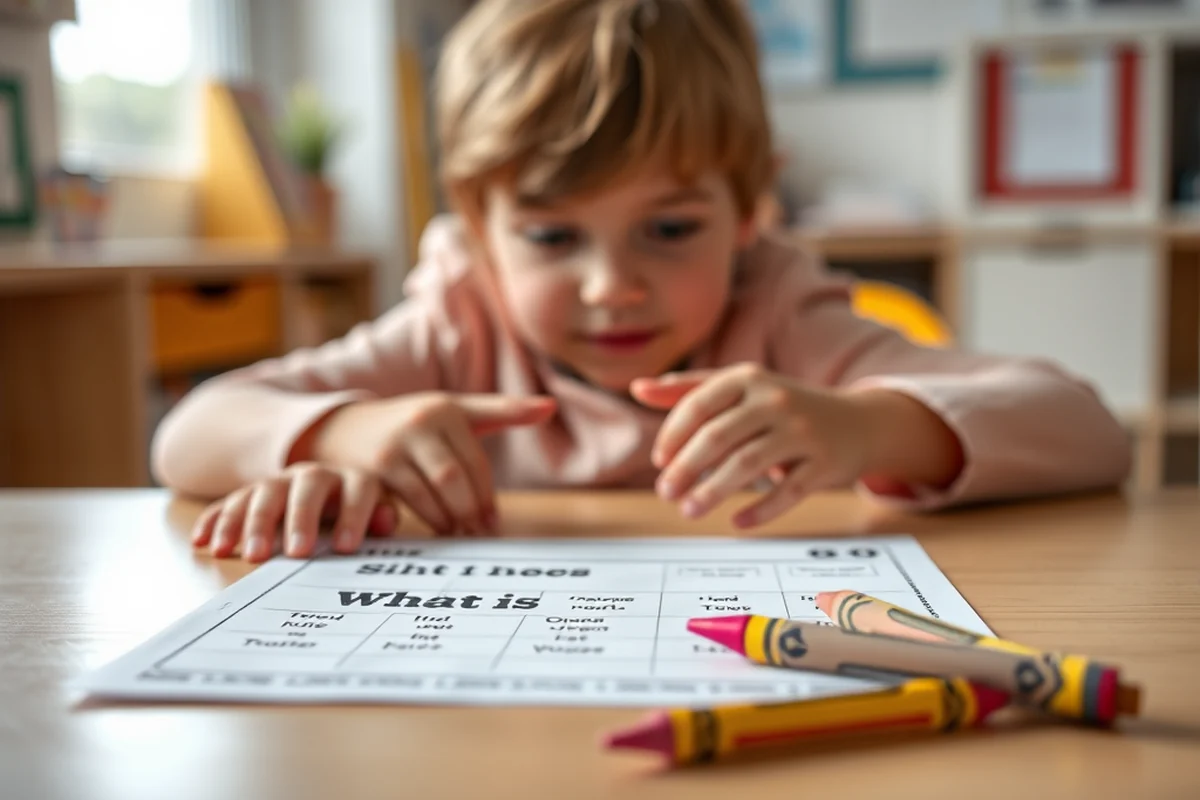
Fluency in reading is more than just being able to read words — it's about reading smoothly and with understanding. Sight words help children read more quickly, which allows them to focus on the meaning of the text instead of getting stuck on decoding. This leads to better comprehension and a more enjoyable reading experience.
In my daughter's classroom, her teacher used a variety of sight word activities, including games, songs, and interactive stories. These methods made learning fun and engaging, and my daughter was able to retain the words much more easily. I saw a noticeable improvement in her confidence when reading aloud to me.
Research shows that children who can recognize a large number of sight words by the end of kindergarten are more likely to be successful readers in the early grades. The ability to recognize these words instantly helps build a strong foundation for future reading skills.
Sight words are the keys to unlocking a child's reading journey.
Related: Affordable sight word practice grade
How Are Kindergarten Sight Words Chosen?
The selection of sight words is not random — it's based on extensive research into the language used in children’s literature. Words like 'the,' 'a,' 'and,' 'to,' and 'is' are chosen because they appear frequently and are essential for comprehension.[2]
I learned this from my daughter's teacher, who explained that sight words are categorized into different groups. The first set, for example, includes the most common words, while subsequent sets introduce more complex words that are still used frequently. This allows children to gradually build their sight word knowledge over time.
The process of selecting sight words ensures that children are exposed to the language they will encounter in books, on signs, and in everyday conversation. This makes learning these words not only practical but also highly relevant to a child's life.
Reading aloud to your child and pointing out sight words as you go can reinforce their learning. Make it a fun and interactive experience by asking questions about the story.
“I remember the first time my daughter came home from school, eyes wide and a bit teary, clutching a worksheet with rows of squiggly letters…”— Wordsonsight editors
Related: Affordable sight word practice by age grade
Common Kindergarten Sight Words
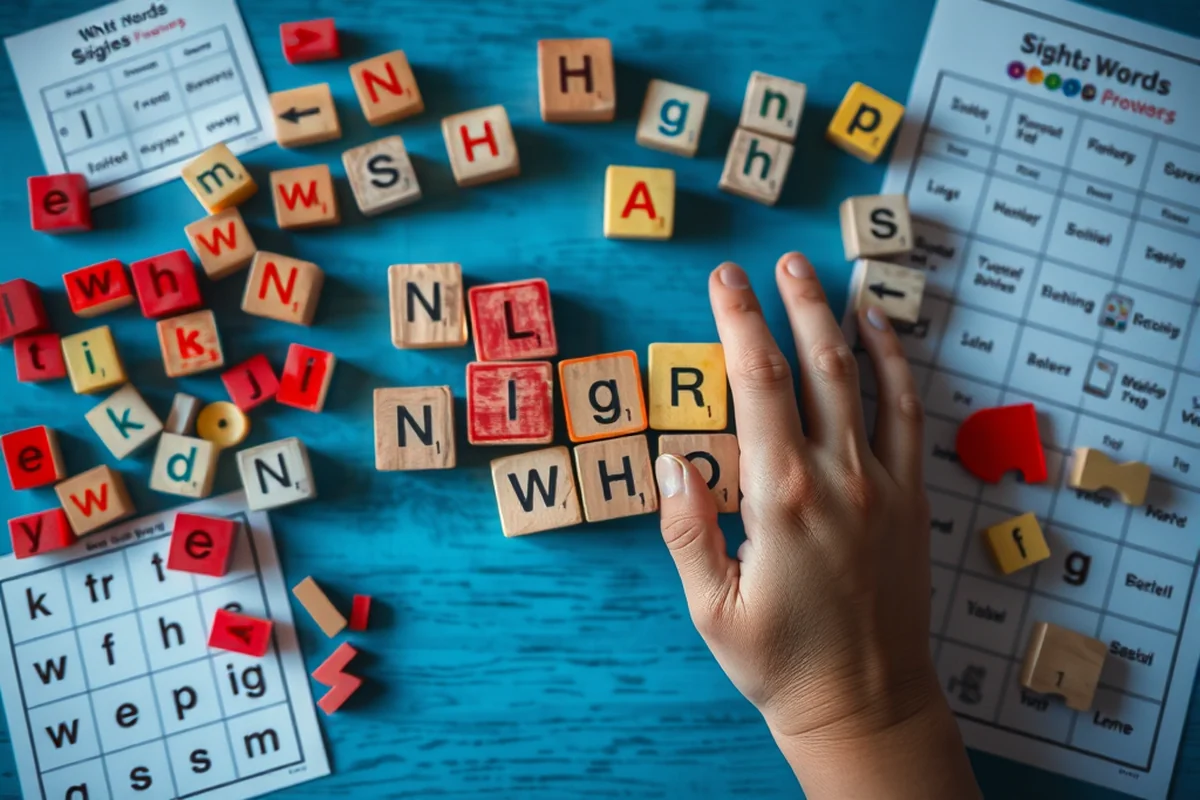
These words are the building blocks of reading and are introduced early in a child’s education. They appear in almost every children's book and are essential for developing reading fluency. For example, the word 'the' is one of the most frequently used words in the English language, and it's crucial for children to recognize it instantly.
I remember when my daughter first started learning sight words. She was excited to point out 'the' and 'and' in the books we read together. It was a small victory, but it showed me how important these words were in her learning process.
Other common sight words include 'you,' 'he,' 'she,' 'we,' 'they,' and 'said.' These words are essential for comprehension and are used in a wide variety of contexts. Recognizing them quickly helps children understand the meaning of the text more easily.
Related: Sight word practice by age grade tips
How to Teach Kindergarten Sight Words
One of the most effective ways to teach sight words is through repetition and practice. Flashcards, games, and songs are all great tools for reinforcing these words. I found that my daughter learned sight words much more quickly when we played sight word games together.
Her teacher used a variety of activities, including matching games, memory games, and even sight word scavenger hunts. These activities made learning fun and engaging, and my daughter was always excited to participate.
Another effective method is to incorporate sight words into daily routines. For example, I started pointing out sight words on labels, signs, and even in the grocery store. This helped my daughter see how these words were used in real life and made learning more meaningful.
Related: Sight word practice grade ideas
Activities to Reinforce Sight Words
One of the most popular activities is the use of flashcards. These can be used for quick review sessions, and they are especially effective when used in short bursts throughout the day. I found that my daughter responded well to flashcard games during her downtime.
Another activity is sight word bingo. This game is not only fun but also helps reinforce memory and recognition. It's a great way to involve the whole family in the learning process.
I also like using sight word scavenger hunts, where children are asked to find specific sight words in their environment. This activity is both educational and engaging, and it helps children see how sight words are used in everyday life.
Learning sight words is like unlocking the door to a world of reading.
Related: Sight word practice grade on a budget
The Role of Parents and Educators in Teaching Sight Words
It's important for parents to be involved in their child's learning process. Simple activities like reading aloud, playing sight word games, and practicing with flashcards can make a big difference. I found that being actively involved in my daughter's learning helped her build confidence and a love for reading.
Educators also have a key role to play. They use a variety of teaching methods to ensure that children are exposed to sight words in different contexts. My daughter's teacher used songs, stories, and hands-on activities to make learning fun and engaging.
When parents and educators work together, children are more likely to succeed in learning sight words. This collaboration creates a supportive learning environment that helps children build strong reading skills from an early age.
🎓 Younger Kids (Ages 3-4)
Tailor sight word activities to match the developmental stage of younger children, using simple flashcards and repetitive games.
📚 Older Kids (Ages 5-6)
Use more advanced sight word activities for older children, such as reading simple sentences and playing sight word bingo.
⏰ No-Prep Activities
Opt for sight word activities that require no preparation, such as using household items to create sight word puzzles.
🤝 Group Version
Create a group sight word game where children work together to match words and build their reading skills collaboratively.
🌟 Extension Activities
Introduce extension activities like sight word stories and sight word art projects to deepen understanding and engagement.
| The mistake | Why it happens | The fix |
|---|---|---|
| Overloading a child with too many sight words at once. | Children need time to process and memorize sight words. Introducing too many at once can overwhelm them and lead to frustration. | Introduce sight words gradually, focusing on a small set at a time and reinforcing them through repetition and practice. |
| Forcing a child to read sight words without context. | Reading sight words in isolation can be boring and ineffective. Children need to see these words in real-life contexts to understand their meaning. | Use sight words in meaningful contexts, such as reading stories, playing games, and pointing them out in everyday situations. |
| Neglecting to practice sight words regularly. | Regular practice is essential for reinforcing sight word recognition. Without consistent practice, children may forget the words they've learned. | Make sight word practice a part of your child's daily routine, using short and engaging activities that can be done anytime, anywhere. |
| Ignoring the child's learning style and preferences. | Every child learns differently, and some may be more engaged with certain activities than others. Ignoring their preferences can lead to disinterest and lack of motivation. | Observe your child's learning style and preferences, and choose activities that align with their interests and strengths. |
What Is Kindergarten Sight Words
Common Questions
How many sight words should a kindergartener know?
Are sight words the same for all children?
How can I help my child practice sight words at home?
What are some fun activities for teaching sight words?
References
- Rural UPSTART Preschool Study: (cde.nd.gov)
- Investment in Reading Research from Kindergarten through High ... (ies.ed.gov)
Cite this guide
Wordsonsight (2026). What Is Kindergarten Sight Words. https://wordsonsight.com/what-is-kindergarten-sight-words/
Feel free to cite or share this guide.