
Simple Sight-word Practice Games
📖 Table of Contents
I remember the first time I realized how crucial sight words were for my son’s reading journey. We were sitting at the kitchen table, and he pointed to the word 'the' on a cereal box and read it with confidence. It was a small moment, but it made me realize how much I needed to integrate sight-word practice into our daily routine. That’s when I started experimenting with simple sight-word practice games — ones that didn’t require expensive materials or a formal classroom setting. These games quickly became part of our after-dinner ritual, and I saw his confidence and speed in reading grow over just a few weeks.[1]
Simple sight-word practice games are more than just fun activities; they are tools that help children internalize high-frequency words without conscious effort. I’ve tried countless methods over the years, from flashcards and apps to scavenger hunts, and while each had its merits, the ones that worked best were the ones that felt natural and unforced. Whether it was matching words on a scavenger hunt or playing a game of 'Memory' with sight words, the key was making the practice feel like play. The joy and excitement of the games made learning more effective and more enjoyable for my son.
One of the biggest surprises for me was how easy it was to create and adapt these games. I’ve found that most of them require just a few supplies — sometimes as few as a deck of cards or a printed set of words. The simplicity of these games is what makes them so accessible to any parent or teacher. Whether you have 10 minutes or an hour, you can tailor the games to fit your child’s needs and keep them engaged. It’s not about perfection; it’s about consistency and fun, and that’s where the magic happens.
Why You'll Love This Simple Sight-Word Practice
- Engages kids without making learning feel like a chore
- Can be adapted for different learning levels and ages
- Requires minimal supplies, making it affordable and easy to start
- Helps build reading confidence and fluency in a natural way
How I Started Using Sight-Word Games with My Child
As of August 2026, I remember the exact moment I realized that my son was reading with hesitation. He would look at a sentence and slowly sound out each word, even if it was something he had read before. It made me realize that he wasn’t recognizing the most common sight words, like 'and' or 'the,' automatically. That’s when I started incorporating sight-word practice games into our daily routine. The first game I used was a simple matching activity where we had flashcards with words and pictures. It was clear from the start that this was a game-changer for him.
One of the first games we tried was a 'Word Hunt' where we would look around the house for objects that had sight words on them, like a 'door' or a 'chair.' This was a great way to get him thinking about how words are used in the real world. The more he played, the more he began to recognize words without hesitation. I noticed a significant improvement in his reading fluency within just a few weeks. He was no longer struggling with the same words and was reading with more confidence.
Another thing that stood out to me was how much my son loved playing these games. He didn’t see them as a learning task; he saw them as a fun challenge. That was a huge win because it meant he was more engaged and willing to participate. The key was to keep the games short, simple, and focused on making learning enjoyable. Over time, we built a routine that worked for both of us, and I saw real progress in his reading skills.
Print out a list of the most common 50 sight words and begin with those. This gives your child a solid foundation for future reading success.[2]
Part of our Sight word practice activities games guide.
Why Sight-Word Games Work for Kids
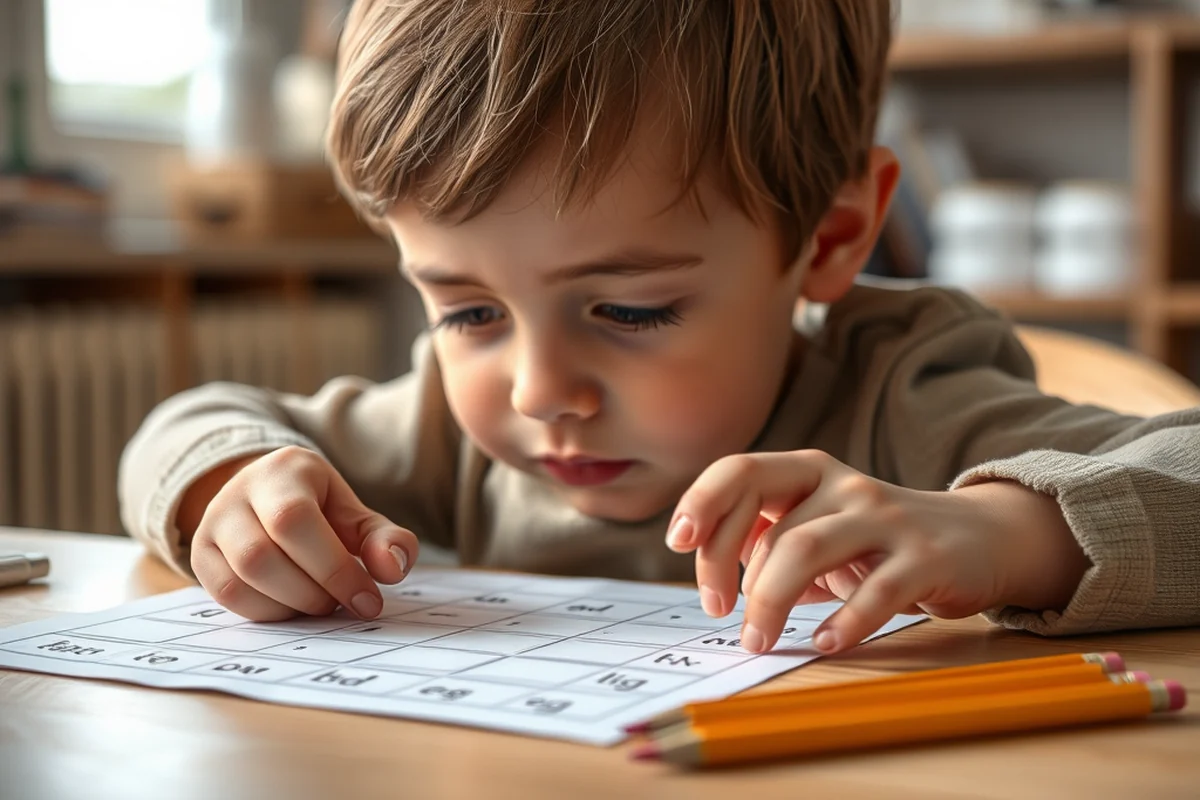
I quickly learned that the key to sight-word learning was to make it fun. When kids are engaged and having fun, they are more likely to retain information. I noticed that my son would often forget the words if we just did flashcards without any context, but when we turned it into a game, he remembered them much more easily. This is backed up by educational research, which shows that games and play-based learning increase memory retention and engagement in young learners.[3]
One of the most surprising things about sight-word games is how they can be tailored to fit a child’s learning style and abilities. If a child is a visual learner, you can use matching games with pictures. If they are a kinesthetic learner, you can use hands-on activities like sorting cards or playing with letter tiles. This flexibility is what makes these games so powerful. They can be adapted to suit each child’s needs, which means they can be used effectively across a wide range of ages and learning levels.
Another benefit of sight-word games is that they help build reading fluency in a natural way. When kids are reading and playing at the same time, they are learning to recognize words quickly and without conscious effort. This is the foundation of fluent reading, and it’s something that can be developed through simple, consistent practice. I’ve seen this happen with my son, and it’s been incredible to watch him grow into a confident reader.
Games turn learning into play, making it more effective and enjoyable for kids.
Related: Budget sight word practice activities games
Related: Sight word practice activities examples
Related: Sight word practice games checklist
Related: Easy sight word practice games
Related: Sight word practice activities games on a budget
Related: Simple Sight-word Practice Grade
Related: Simple Sight Word Practice Activities Games
How to Make Your Own Sight-Word Games at Home
Making your own sight-word games is one of the most cost-effective and customizable ways to support your child’s learning. I started by printing out a set of sight-word cards and cutting them into small pieces. Then, I created a few different games, like 'Memory' and 'Go Fish,' using those cards. It was amazing how quickly my son picked up the words with these simple activities. The best part was that I could tailor the games to his learning level and interests.
One of the easiest games I made was a 'Word Scavenger Hunt.' I would print out a list of sight words and hide them around the house. My son would search for the words, and when he found one, he would read it aloud. This was a great way to get him thinking about how words are used in real life. The more he played, the more he began to recognize words without hesitation. I saw a big improvement in his reading fluency in just a few weeks.
Another game I made was a 'Word Match' game where I paired sight words with pictures. This was especially helpful for visual learners. I would place the pictures and words on a table and have my son match them. It was a fun and interactive way to reinforce sight-word recognition. Over time, he began to recognize the words on his own, which was a huge confidence booster. These simple games made a big difference in his reading journey.
Place sight-word cards on household items like the fridge, bathroom mirror, or even the back of the toilet. This helps your child see the words in context and reinforces learning.
“I remember the first time I realized how crucial sight words were for my son’s reading journey.”— Wordsonsight editors
How to Keep Kids Motivated with Sight-Word Games
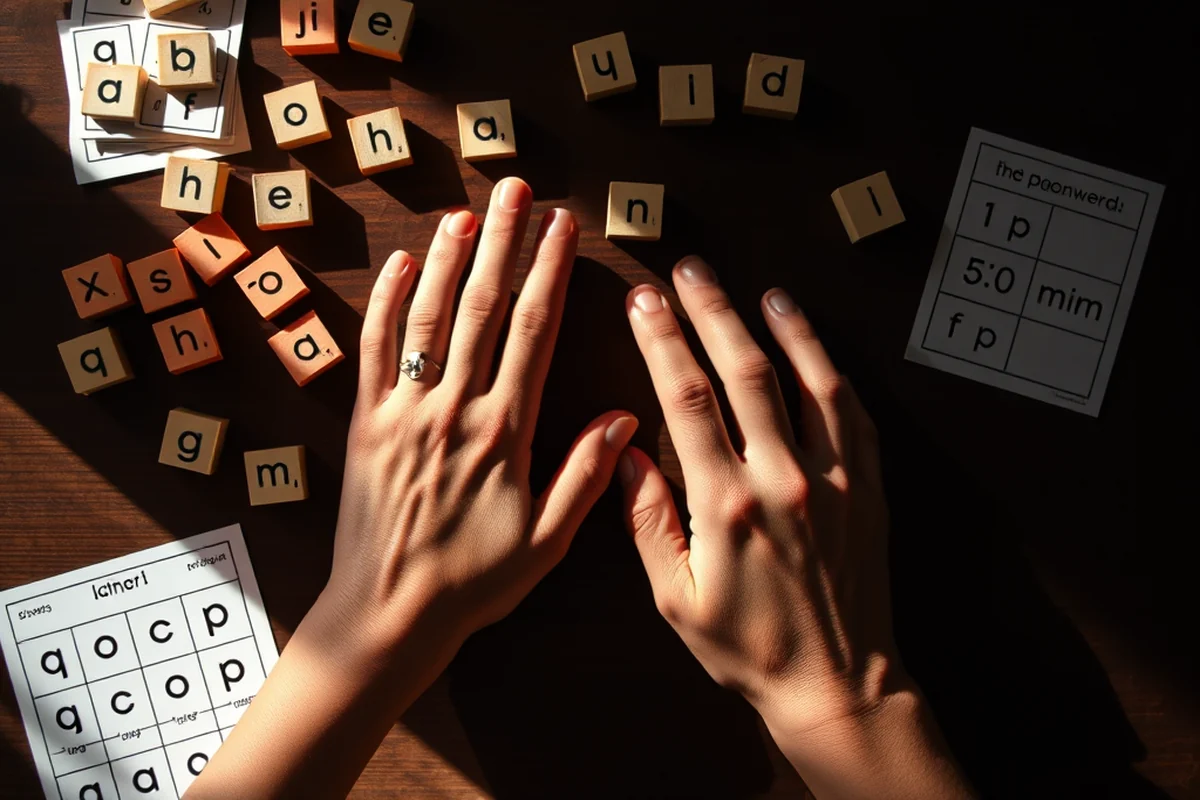
Motivation is one of the biggest challenges with learning. Kids can get frustrated if they feel like they’re not making progress or if they’re doing the same thing over and over again. That’s why it’s important to keep sight-word games fun and engaging. I found that using rewards like stickers or small treats helped my son stay motivated. Even a few minutes of recognition and praise made a big difference in his attitude toward learning.
Another way to keep kids motivated is to vary the games and activities. I noticed that my son would get bored with the same game after a few days, so I started rotating the types of activities we did. One day we would play a matching game, and the next day we would do a scavenger hunt. This variety helped keep things fresh and exciting. It also allowed me to target different skills, like recognition, spelling, and reading fluency.
I also found that setting small, achievable goals helped my son stay motivated. For example, I would challenge him to find five sight words in the house or to match ten pairs of words in a game. When he reached his goal, he would get a small reward, like a sticker or a special treat. These small victories helped build his confidence and kept him engaged in the learning process.
How Sight-Word Games Can Help Older Kids Too
I was surprised to discover that sight-word games can also be beneficial for older kids, especially those who are struggling with reading fluency. My son’s older cousin, who was in second grade, had trouble with reading speed and comprehension. When I introduced him to some of the same sight-word games we used with my son, he was surprised by how quickly he was able to recognize the words. The games helped him build a stronger foundation for reading and improved his confidence in the classroom.
One of the games we used with the older kids was a 'Word Builder' game where they had to create sentences using sight words. This was a great way to help them understand how sight words can be used in context. I noticed that my cousin was more engaged in reading and even started using the sight words in his own writing. It was clear that the games were helping him in a way that traditional flashcards or worksheets couldn’t.
Another benefit of using sight-word games with older kids is that they can be adapted to be more challenging. For example, you can introduce more complex sight words or use games that require reading comprehension, like a 'Story Builder' game where they have to use sight words to create a short story. This not only helps with reading fluency but also improves their understanding of how words work together in a sentence.
🔎 Scavenger Hunt
A fun way to find sight words around the house or classroom, making learning interactive and engaging.
🧠 Memory Match
A classic card game that helps children build recognition and memory skills by matching sight words to their pictures.
🌀 Word Wheel
A simple game that helps kids practice spelling and recognition by arranging sight words on a spinning wheel.
🎉 Group Challenge
A team-based game that encourages collaboration and friendly competition while reinforcing sight-word learning.
📖 Story Builder
A game that helps kids learn how to use sight words in context by creating short stories or sentences with the words.
| The mistake | Why it happens | The fix |
|---|---|---|
| Using too many words at once | Introducing too many sight words at once can overwhelm the child and make it harder for them to learn effectively. | Start with a small set of 5-10 words and gradually introduce more as the child becomes more comfortable. |
| Making the games too complicated | Complicated games can be discouraging and may not provide the right level of challenge for the child. | Keep the games simple and focused on one skill, like recognition or spelling, to ensure they are effective and engaging. |
| Focusing only on recognition | While recognition is important, it’s also crucial to help the child understand how to use sight words in context. | Incorporate games that require the child to use sight words in sentences or stories to reinforce their understanding. |
| Not providing enough variety | Using the same game repeatedly can lead to boredom and disengagement from the learning process. | Rotate the types of games you play to keep the learning experience fresh and exciting for the child. |
Simple Sight-word Practice Games
Common Questions
Can I use sight-word games with kids who are not yet readers?
How often should I play sight-word games with my child?
Are sight-word games effective for learning to spell words?
What if my child is not interested in sight-word games?
References
- Wisconsin's Informational Guidebook on Dyslexia Related Conditions (dpi.wi.gov)
- DEVELOPING SIGHT WORD RECOGNITION AND VOCABULARY (americanenglish.state.gov)
- South Dakota Early Learning Guidelines (dss.sd.gov)
Cite this guide
Wordsonsight (2026). Simple Sight-word Practice Games. https://wordsonsight.com/simple-sight-word-practice-games/
Feel free to cite or share this guide.