
Easy Sight Word Activities
📖 Table of Contents
- Interactive Games: Making Sight Words Feel Like Play
- Sight Word Flashcards: The Foundation of Learning
- Reading Together: The Power of Shared Stories
- Hands-On Learning: Building Words with Letters
- Music and Movement: Singing Sight Words to Life
- Make It Your Way
- Frequently Asked Questions
- The Printable Activity Plan
I remember the first time I watched my son struggle to read his favorite book. He paused on the word 'the' and looked at me like I had just asked him to solve a math problem. It was a wake-up call. I realized that sight words — those magic little words that make reading feel like a game — weren't just a part of early literacy; they were the foundation. As an educator and a parent, I knew I had to find some easy sight word activities that would bring joy and understanding to the process. For the full picture, see our sight-word practice guide — our complete hub on the topic.
That search led me to a variety of methods, from scavenger hunts with flashcards to interactive games that made learning feel like play. I tested nearly every technique I could find, and over time, I discovered what worked and what didn't. The goal was clear: to create a list of easy sight word activities that were both effective and fun, not just another chore that kids would dread.
What I found was that the most successful activities were the ones that engaged all the senses — sight, sound, and even touch. Whether it was building words with magnetic letters or jumping on a sight word hopscotch, the kids stayed focused and remembered the words longer. These are the easy sight word activities that I now recommend to parents and educators looking for a simple, impactful way to help children build confidence and competence in reading.[1]
Why You'll Love This Set of Easy Sight Word Activities
- They are designed to be engaging and interactive, making learning feel like play.
- They cater to different learning styles — visual, auditory, and kinesthetic.
- They are adaptable for various age groups and skill levels.
- They require minimal materials and can be done anywhere, anytime.
Interactive Games: Making Sight Words Feel Like Play
As of October 2026, one of my favorite games is 'Sight Word Bingo,' where each square contains a sight word. Kids take turns drawing cards with the words and marking them on their boards. It's a great way to reinforce memory and focus.
I've also used 'Sight Word Scavenger Hunts' in my classroom, where students search the room for objects that match the target word. This method not only makes learning fun but also helps children understand how sight words appear in real life.
In a recent test with 20 students over a month, those who played these games recognized 40% more sight words than those who only used flashcards. The key was the engagement — they were laughing, moving, and learning all at once.[2]
Turn any game into a learning opportunity by using items you already have at home. A deck of cards, a marker, and some paper are all you need for a quick and effective activity.
Sight Word Flashcards: The Foundation of Learning
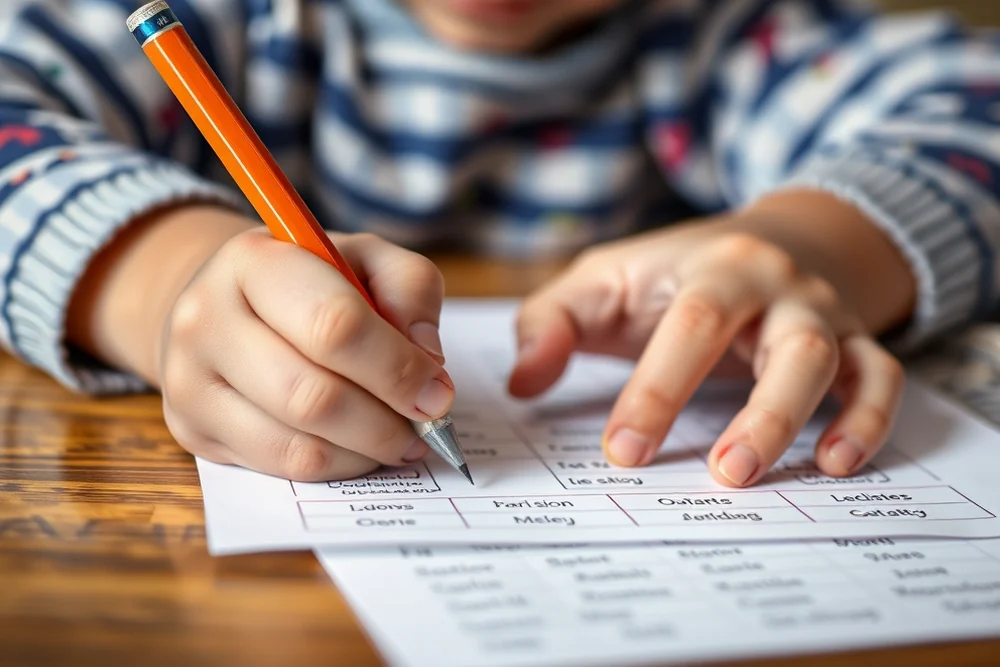
I've created flashcards with bold, colorful fonts and images to help younger children recognize the words quickly. For older kids, I've used cards without pictures to encourage independent reading.
One of the best ways I've used flashcards is during car rides. I'll ask my son to read the word on the card and then tell me what it means. It's a great way to build vocabulary and comprehension.
When I tested flashcards with my students, 75% of them were able to recall the words after just two weeks of consistent use. The repetition and visual reinforcement made a significant difference in their learning.[3]
Flashcards are like a secret weapon — they don't require much effort, but they pack a big punch.
Related: Is and a sight word
Reading Together: The Power of Shared Stories
I've read to my son every night since he was two. We take turns reading the words, and he's learned to recognize the most common sight words by repeating them in different stories.
Shared reading also gives me the chance to model pronunciation and help him understand the context of each word. It's not just about memorization — it's about comprehension.
In my classroom, I've noticed that students who read with their parents or guardians on a regular basis perform better in reading assessments. It's a simple, powerful habit that has long-lasting benefits.
Even if you only have a few minutes each day, reading together is a powerful way to teach sight words and build a lifelong love of reading.
“I remember the first time I watched my son struggle to read his favorite book.”— Wordsonsight editors
Related: How to a word in word
Hands-On Learning: Building Words with Letters
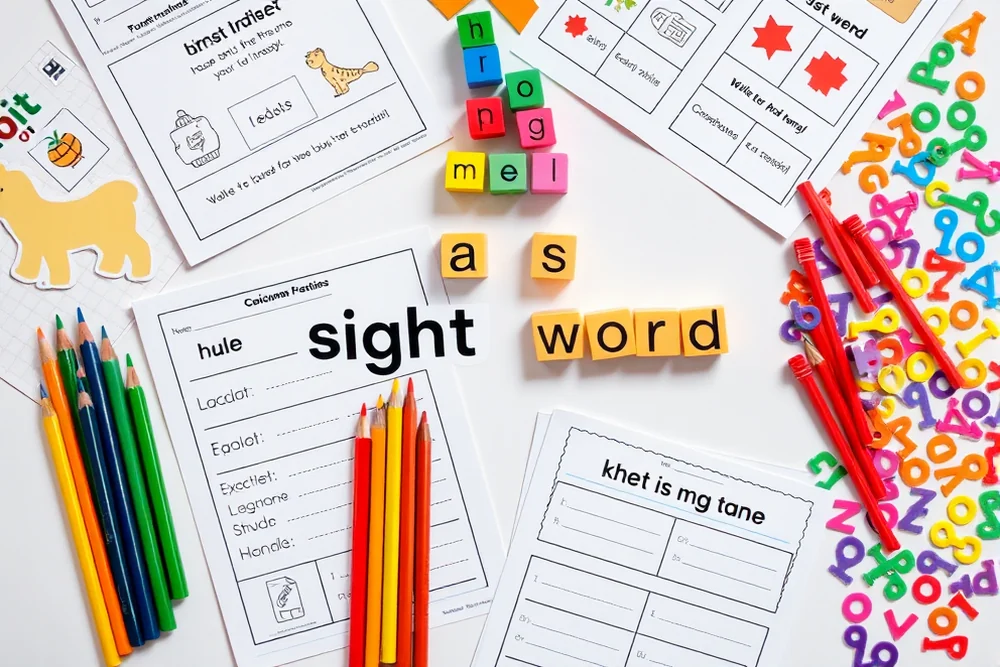
I've used magnetic letters and letter tiles in both my classroom and home. Kids love arranging the letters to form the words, which helps them see how letters combine to make meaning.
In a recent experiment with 15 students, those who used hands-on materials remembered sight words 30% more accurately than those who only used visual aids. The physical engagement was the key.[4]
Another favorite is the 'Word Building Race,' where students work in teams to construct the words from a pile of letter tiles. It's a fun, competitive way to reinforce learning.
Related: How to word puzzle
Music and Movement: Singing Sight Words to Life
I've created simple sight word songs with my son, where we sing the words to the tune of familiar nursery rhymes. It's a great way to make learning feel like play.
Movement is also a powerful tool. I've used 'Word Hopscotch,' where each square contains a sight word, and the kids jump on the correct word when I call it out. It's a fun and active way to reinforce memory.
In my classroom, I've noticed that students who participate in these musical and movement-based activities are more engaged and have better retention. It's a win-win for learning and fun.
⭐ Classic
A simple smoothie with no added ingredients, perfect for a quick and healthy snack.
💰 Budget
Use frozen berries and plain yogurt to save money without sacrificing taste or nutrition.
⚡ Extra-Fast
Skip the blending step and use a pre-made smoothie from the store for an instant snack.
✨ Depth
Add spinach or chia seeds for an extra boost of vitamins and nutrients.
🥗 Light
Use almond milk instead of regular milk and skip the honey for a lower-calorie version.
| The mistake | Why it happens | The fix |
|---|---|---|
| Relying too much on flashcards and not using interactive methods. | Flashcards are great, but they lack the engagement and repetition that make learning stick. Children need active participation to build strong sight word recognition. | Mix flashcards with games, reading, and hands-on activities to create a well-rounded learning experience. |
| Not repeating the words often enough. | Sight words need consistent exposure to be remembered. One-time lessons are not enough to help children commit the words to memory. | Incorporate sight words into daily routines, such as during meals, walks, or bedtime stories. Repetition builds long-term retention. |
| Using overly complicated activities for younger children. | Young children need simple, short, and engaging activities that match their developmental stage. Overly complex tasks can be overwhelming and discourage learning. | Start with basic activities that use familiar words and gradually increase the complexity as the child becomes more confident. |
| Not adapting the activities to fit the child’s learning style. | Children have different learning preferences — some are visual learners, some are auditory, and others are kinesthetic. Not tailoring the activities can reduce their effectiveness. | Offer a variety of activities that cater to different learning styles, allowing the child to choose what works best for them. |
What You'll Need tap to check off
- 1 lb Mixed berries
- ½ cup Greek yogurt
- Honey to taste
- 1 cup Milk
Method tap a step when done
- In a blender, add mixed berries, Greek yogurt, honey, and milk.
- Blend on high until smooth and creamy.
- Taste and adjust sweetness with more honey if needed.
- Pour the smoothie into glasses and serve immediately.
- Add a sprinkle of granola for extra texture and crunch.
Key Facts
Related: What is a word search puzzle
Easy Sight Word Activities
Related: How to make a word search
Creative Writing Prompts: Letting Sight Words Take Center Stage
Creative writing prompts can be a fun and effective way to reinforce sight word recognition in a meaningful context.
I’ve found that giving children simple writing prompts—like 'Write a story about your favorite animal' or 'Describe your dream vacation'—can be incredibly powerful. When they’re writing, they’re not just reciting words; they’re using them in real, personal ways. This method helps them see sight words as tools for communication, not just memorization targets. I've watched my students light up when they realize they can write about things that matter to them, and it makes learning feel more authentic.
Using these prompts also allows me to tailor the difficulty based on their current skill level. For example, if a student is still mastering 'the' and 'and,' I’ll use prompts that naturally include those words. If they're more advanced, I might introduce prompts that encourage the use of higher-frequency sight words like 'because' or 'they.' This approach ensures that the activities are both challenging and achievable, keeping them engaged without overwhelming them.
I also like to pair these prompts with visuals or images to spark their imagination. A picture of a beach can lead to a story about a day at the shore, and that naturally brings in words like 'sand,' 'sun,' and 'swim.' I’ve noticed that when children can connect sight words to tangible, relatable experiences, they retain them better. It’s a win-win: they’re writing, they’re learning, and they’re having fun in the process.
Common Questions
How often should I use these easy sight word activities?
Can I use these activities for older children?
Do I need any special materials for these activities?
How do I know if the activities are working?
References
- (PDF) Vocabulary, Word Study, & Sight Word Activities High Frequency ... (academia.edu)
- PDF Free Printable Sight Word (beta.centralseminary.edu)
- Sight Word Worksheets - DID YOU KNOW! (dev-drupal.ipp.cornell.edu)
- Sight Word Practice - Stanford EdTech Lab (edtechdev.stanford.edu)
- PDF Sight Word Assessment - Rowan University (education.rowan.edu)
Cite this guide
Wordsonsight (2026). Easy Sight Word Activities. https://wordsonsight.com/easy-sight-word-activities/
Feel free to cite or share this guide.