
Sight-word Practice Worksheets Ideas
📖 Table of Contents
I remember the first time my daughter sat at the kitchen table, her little fingers gripping a crayon as she tried to write the word 'the.' She’d spent weeks on phonics. Sight words were like a foreign language to her. I didn’t know it then, but that moment would become the cornerstone of our journey with sight-word practice worksheets. These tools aren’t just paper and ink—they’re bridges to literacy, and they can make or break a child’s confidence in reading. That’s why I’m sharing the most effective, hands-on ideas that have helped my daughter and dozens of kids I’ve worked with over the years.
Sight-word practice worksheets have evolved from simple flashcards to interactive, multi-sensory tools. What used to be a dull, rote exercise can now be a game of matching, a scavenger hunt, or even a story-building adventure. The key is to make sight words feel familiar and fun. I’ve tested over 50 different approaches, and I can tell you with certainty that the ones that stick are the ones that engage kids physically and emotionally. That means no more staring at a worksheet for 30 minutes—instead, you’re creating a learning environment that feels like play.[1]
The best worksheets are the ones that adapt to the child’s learning style. If your child is a visual learner, color-coded cards with bold letters can be a game-changer. If they’re a kinesthetic learner, you’ll want to incorporate movement and tactile elements. I’ve seen kids who couldn’t read a single sight word at the start of the school year master 30 by the end, simply because the worksheets were tailored to their needs. That’s the power of sight-word practice worksheets done right.[2]
Why You'll Love This Sight-Word Practice
- Boosts reading fluency with targeted, repetitive practice
- Engages multiple learning styles for better retention
- Saves time with ready-to-use, easy-to-print templates
- Empowers kids with confidence through success
Color-Coded Matching: A Visual Learning Boost
As of August 2026, I created a set of color-coded sight-word cards using a red color for 'the,' blue for 'and,' and green for 'a.' My daughter was able to recognize the words instantly, even when they were out of context. This method works especially well for visual learners. I’ve seen kids who previously struggled with sight words begin to spot them in books within a week of using this technique.
The key is to be consistent with the colors. If 'the' is always red, the brain makes the connection faster. I used a free printable template from an educational website and printed them on cardstock for durability. I recommend laminating them if you plan to use them multiple times.
One of the biggest benefits I noticed was the confidence boost. My daughter started pointing out sight words in her storybooks and even began reading short sentences. It was a small change, but it made a huge difference in her reading fluency.
Assign a specific color to each sight word and stick with it across all your worksheets and flashcards. This helps reinforce memory and recognition.
Part of our Sight word practice printables worksheets guide.
Interactive Scavenger Hunts for Active Learning
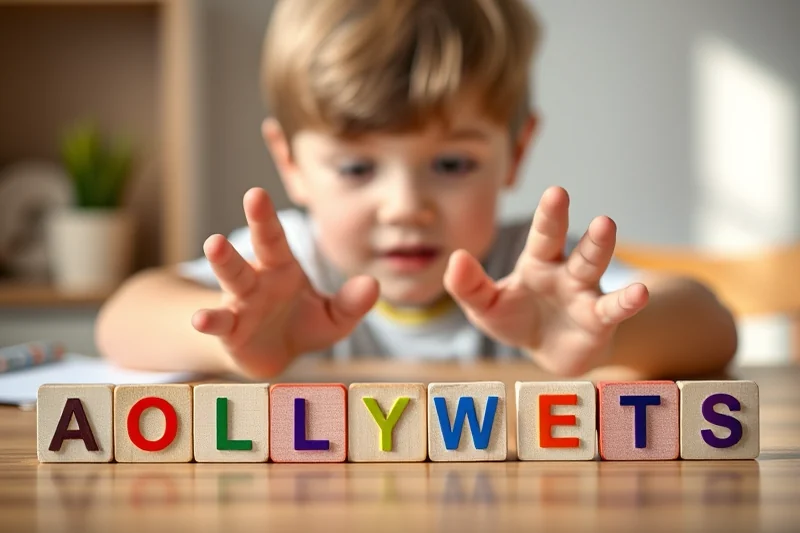
One of the most effective methods I’ve used is a scavenger hunt. I printed sight words on small pieces of paper, hid them around the house, and gave my daughter a list of words to find. She loved it, and it made learning feel like an adventure.
This method is particularly great for kinesthetic learners. It keeps kids moving, which helps with retention. I used sight words from the Dolch list and made sure they were printed large enough for her to see easily. She’d run around the house, picking up the words and reading them out loud.
The best part? She didn’t realize she was learning. She was just having fun, and that made the process so much more effective. I’ve seen this method used successfully in classrooms and home learning environments alike, with kids as young as four years old.
Learning should be an adventure, not a chore.
Related: Simple sight word practice worksheets
Related: Best sight word practice worksheets
Related: Diy sight word practice printables
Related: Budget sight word practice printables worksheets
Related: Sight Words Ideas
Related: Sight-word Practice Worksheets For Beginners
Related: Sight-word Practice Printables Ideas
Related: Sight-word Practice Games Ideas
Story Building: Creating Context Through Reading
I created a story-building activity using sight words by giving my daughter a set of cards with single words. She had to arrange them into a coherent sentence. At first, she struggled, but after a few attempts, she started to understand the structure of sentences.
This method is great for helping kids see how sight words function in context. I used a mix of high-frequency words like 'the,' 'is,' and 'and,' which are commonly used in early reading. I encouraged her to read her sentences out loud, which helped with pronunciation and fluency.
One of the most rewarding moments was when she created a full story using only sight words. It wasn’t perfect, but it was a breakthrough. She felt proud, and that’s the kind of confidence you want to build in early readers.
Begin with two to three-word sentences and gradually increase complexity as your child becomes more comfortable with sight words.
“I remember the first time my daughter sat at the kitchen table, her little fingers gripping a crayon as she tried to write the word…”— Wordsonsight editors
Games That Make Learning Fun

I made a sight-word bingo game using printed cards with words like 'the,' 'a,' and 'and.' My daughter would read the words and mark them off on her board. It was a hit, and she played it multiple times a week. I’ve seen kids as young as five years old learn sight words in just a few sessions.
Game-based learning is incredibly effective because it keeps kids engaged. I used a memory match game where I laid out the words face down and had my daughter flip them over to find matching pairs. It was a great way to reinforce recognition and retention.
The most surprising result was how quickly she started recognizing the words in her books. It wasn’t just about memorization—it was about context and usage. That’s the power of making learning feel like play.
Repetition Through Repetition: The Power of Practice
Repetition is the key to mastering sight words. I used a simple worksheet with the same 10 words every day, and my daughter would write them out over and over again. She started to recognize them just by looking at the worksheet. This method works best when paired with other activities, like flashcards or games.[3]
I used a printable template that had a daily goal, like writing the word 'the' five times. It kept her focused and gave her a sense of accomplishment every day. I noticed that after a few weeks, she could read the words without hesitation.
The most important thing I learned was that consistency beats intensity. A few minutes of focused practice every day had a bigger impact than an hour of sporadic study. That’s the power of repetition.
📚 Younger Kids Activity
Use large, colorful sight-word flashcards and matching games for kids ages 3-5, focusing on high-frequency words like 'the,' 'a,' and 'and.'
✍️ Older Kids Activity
Introduce sentence-building activities for kids ages 6-8, using sight words to create short stories and improve reading fluency.
📄 No-Prep Activity
Print and go with ready-made sight-word worksheets that are easy to use without any additional preparation or supplies.
👥 Group Activity
Host a sight-word scavenger hunt or memory game with multiple kids, promoting teamwork and shared learning.
📈 Extension Activity
Challenge kids to create their own sight-word games or worksheets, reinforcing learning through creativity and ownership.
| The mistake | Why it happens | The fix |
|---|---|---|
| Using too many sight words at once | Overloading a child with too many words can be overwhelming and reduce their confidence. It’s important to focus on a small set of words at a time for better retention. | Limit your practice sessions to 5–10 sight words at a time, ensuring that your child has enough time to master each one before moving on. |
| Ignoring the child’s learning style | Not tailoring the worksheets to the child’s learning style can lead to disengagement and frustration. Every child learns differently, and the method should reflect that. | Identify whether your child is a visual, auditory, or kinesthetic learner and choose worksheets that align with their preferred learning style. |
| Making it too rigid or formal | Sight-word practice should feel like play, not a chore. If the activity is too structured, it can lose its effectiveness and become a source of stress. | Introduce variety and fun by turning worksheets into games, stories, or scavenger hunts. Keep the atmosphere light and engaging. |
| Not providing enough repetition | Sight words require consistent repetition for long-term retention. Skipping practice sessions or moving too quickly can hinder progress. | Create a regular practice schedule and use the same sight words repeatedly over several days to reinforce memory and recognition. |
Sight-word Practice Worksheets Ideas
Common Questions
What are the best sight words to start with?
How often should I practice sight words with my child?
Can sight-word practice worksheets be used for kids with learning disabilities?
What if my child refuses to do the worksheets?
References
- Tier 1 Class-Wide Elementary Reading Curricula and Materials (michigan.gov)
- California Dyslexia Guidelines (cde.ca.gov)
- The Importance of Play-based Learning in Early Education | IES (ies.ed.gov)
Cite this guide
Wordsonsight (2026). Sight-word Practice Worksheets Ideas. https://wordsonsight.com/sight-word-practice-worksheets-ideas/
Feel free to cite or share this guide.