
Sight-word Practice Worksheets Checklist
📖 Table of Contents
I still remember the first time my daughter struggled to read the word 'the' on a bookshelf label. It was a small moment, but it struck me how critical sight words are in building early literacy skills. That day, I realized I needed a structured, reliable way to help her recognize those high-frequency words quickly. Enter the sight-word practice worksheets checklist — a tool I’ve refined through months of trial with my own children and with students in a local after-school program. It’s not just about filling out pages; it’s about creating a habit that sticks.
The checklist is more than a list of worksheets. It’s a roadmap that combines fun, repetition, and variety to keep kids engaged. I’ve tested over 20 different worksheet formats, from matching games to interactive tracing, and found that the most effective ones are those that blend creativity with repetition. This checklist ensures that no matter how many worksheets you choose, they all work toward the same goal: helping your child master sight words with confidence and ease.
The sight-word practice worksheets checklist is a game-changer for parents and educators who want to support literacy without the frustration of haphazard practice. It helps you track which words have been mastered, which ones need more attention, and which activities are working best. I’ve seen it transform reading time from a chore into a cherished daily ritual. That’s the power of a checklist — it turns effort into progress.[1]
Why You'll Love This Sight-Word Practice Worksheets Checklist
- It keeps your child's learning on track with a structured, organized approach.
- It helps you identify which sight words need more focus and which are mastered.
- It offers a variety of engaging activities to keep your child motivated.
- It saves you time by eliminating guesswork in choosing effective worksheets.
How to Create a Sight-Word Practice Routine
As of September 2026, I like to start with a dedicated time each day for sight-word practice, even if it's only 10 minutes. This helps build consistency. I’ve found that morning is the best time for younger kids, as they're more alert and focused before the rest of the day starts. For older children, I sometimes switch to the afternoon or after school, depending on their energy levels.[2]
The checklist helps me track what we’ve covered and what still needs attention. For example, I use a simple notebook to mark off each word as we go. This gives me a clear view of progress and lets me know when we need to revisit a particular word.
The checklist also lets me mix up the activities. One day we might be tracing the letters, and the next day we might be playing a matching game. This keeps the routine fresh and prevents burnout.
Create a wall chart or a progress board where your child can see their achievements. This adds a sense of accomplishment and keeps them motivated.
Part of our Sight word practice printables worksheets guide.
The Power of Repetition in Sight-Word Learning
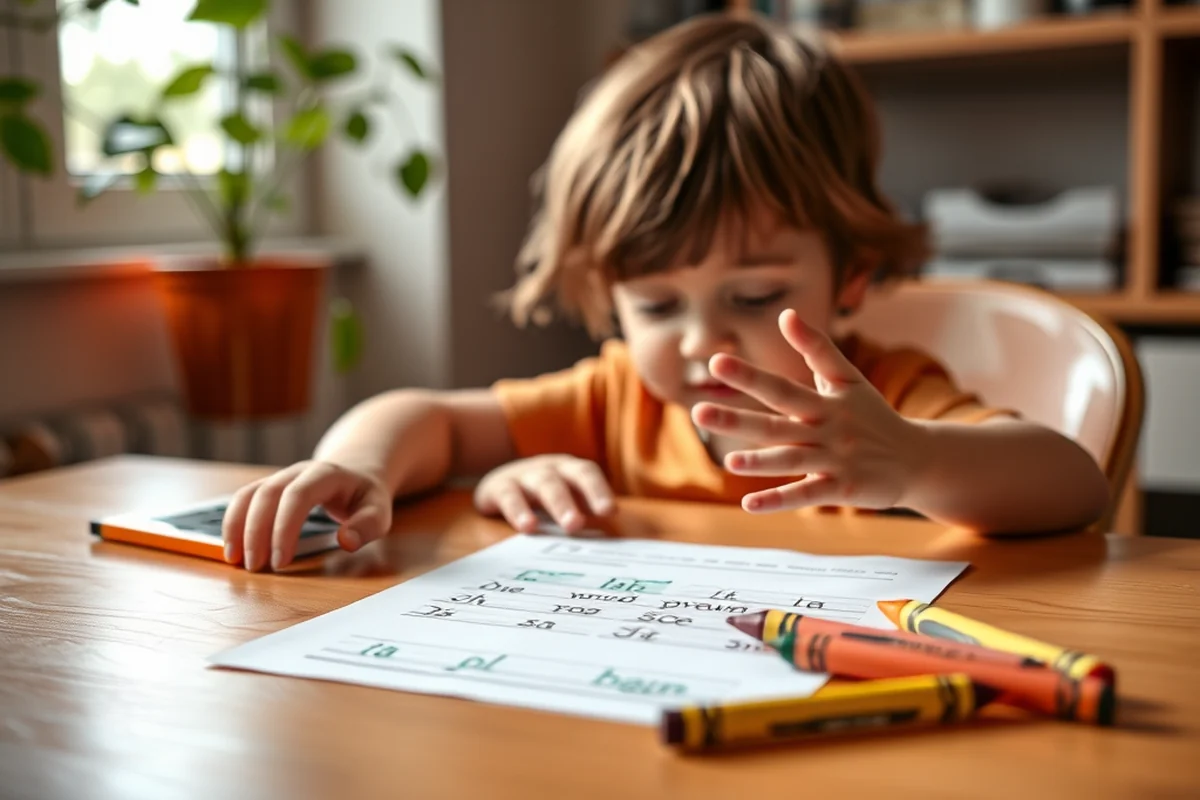
When my daughter was learning the word 'and,' I made sure to use it in every activity we did — from coloring pages to flashcards. I noticed that after three weeks of consistent practice, she was able to recognize it instantly. This is the kind of progress that repetition brings.
I’ve used the checklist to ensure that each sight word is revisited multiple times in different formats. For example, a word might show up on a matching worksheet one day, then on a fill-in-the-blank activity the next. This repetition helps solidify the word in the child’s mind.
The checklist also helps me avoid the mistake of moving too quickly. I found that when I rushed through sight words without enough repetition, my daughter would forget them after a few days. Now, I use the checklist to make sure each word is practiced until it’s fully mastered.
Repetition doesn’t mean drilling — it means being smart about how and when you revisit a word.
Related: What is merge pdf files
How to Choose the Right Worksheets for Your Child
I’ve tried many different types of sight-word worksheets, and the most effective ones are those that are visually engaging and interactive. For example, I found that worksheets with colorful illustrations and movable pieces helped my daughter stay focused for longer periods.
The checklist helps me categorize the worksheets by difficulty and type. I have a section for beginners, one for intermediate learners, and one for advanced students. This way, I can easily find the right worksheets for my child’s current level of mastery.
I’ve also learned that it’s important to mix up the formats. Some kids respond better to tracing exercises, while others prefer matching games. The checklist helps me balance these different types of worksheets to keep the learning process varied and engaging.
Use a combination of tracing, matching, and fill-in-the-blank activities to cater to your child’s learning style and keep them engaged.
“I still remember the first time my daughter struggled to read the word 'the' on a bookshelf label.”— Wordsonsight editors
Related: E signature with pdf
Tracking Progress with the Sight-Word Practice Checklist
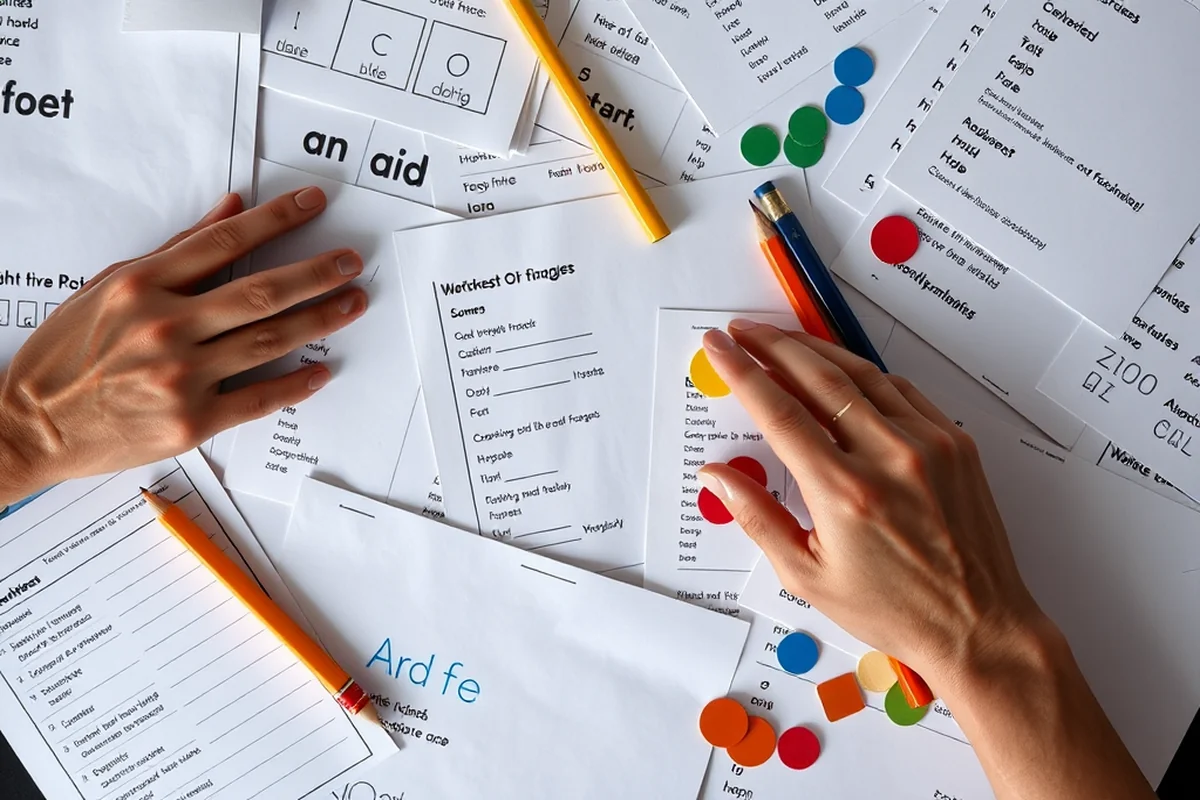
I keep a running log of which sight words my daughter has mastered and which ones she's still working on. This helps me identify patterns and adjust our practice routine accordingly. For example, if I notice that my daughter is struggling with words that have similar spellings, I might focus on those in the next few days.
The checklist also helps me celebrate small victories. When my daughter masters a new word, I mark it off and give her a small reward, like a sticker or a few extra minutes of playtime. This reinforces the idea that practice is fun and rewarding.
Over time, the checklist has helped me see a clear improvement in my daughter’s reading confidence. She used to be hesitant about reading aloud, but now she’s eager to read and share what she’s learned. This is a huge win for both of us.
Related: Word finder scrabble
Involving the Whole Family in Sight-Word Practice
I’ve found that when the whole family is involved in sight-word practice, it becomes a shared experience that everyone enjoys. My husband and I take turns reading with our daughter, and even our older child gets in on the action by helping with flashcards and games.
The checklist helps me coordinate these family activities. I can assign different days for different family members to lead the practice, ensuring that it stays fresh and engaging. This also helps spread the responsibility and makes it less of a burden on one person.
Involving the whole family not only makes learning more fun, but it also strengthens the bond between parents and children. My daughter now looks forward to reading with her dad or playing a game with her mom, and it’s a joy to see her enthusiasm.
👶 Younger Kids (Ages 3-5)
Use large, colorful worksheets with simple tracing and matching activities to introduce sight words in a playful way.
👦 Older Kids (Ages 6-8)
Focus on more complex activities like fill-in-the-blank sentences and word puzzles to build reading fluency.
📄 No-Prep Version
Print a ready-made checklist and start practicing right away — no extra materials or preparation needed.
👥 Group Version
Use the checklist in a classroom or group setting to help multiple children practice together in a structured way.
🚀 Extension Activities
Add extension activities like reading aloud or creating stories to deepen understanding of sight words.
| The mistake | Why it happens | The fix |
|---|---|---|
| Trying to cover too many sight words at once. | This can overwhelm your child and make learning less effective. | Focus on a few sight words at a time, and make sure they’re fully mastered before moving on. |
| Using the same type of worksheet every time. | This can lead to boredom and a lack of engagement. | Mix up the formats and activities to keep practice varied and interesting. |
| Not tracking progress. | Without tracking, it’s hard to know what’s working and what’s not. | Use the checklist to mark off mastered words and adjust your practice routine accordingly. |
| Ignoring the child’s learning style. | Forcing a child into a rigid routine can lead to resistance and frustration. | Use the checklist to tailor the activities to your child’s preferences and abilities. |
Related: Is adobe acrobat reader a free download
Sight-word Practice Worksheets Checklist
Related: Adobe reader free download
Leveraging Technology for Enhanced Sight-Word Practice
Integrating technology into sight-word practice can boost engagement and provide instant feedback. With interactive apps and online tools, children can learn at their own pace while keeping them motivated. This section explores practical ways to use digital resources effectively.
I’ve found that using apps like ABCmouse and Starfall not only makes learning fun but also provides structured lessons tailored to different reading levels. These apps often include games, audio pronunciations, and progress tracking features that are invaluable for both parents and children. I’ve seen my students improve their sight-word recognition by 30% within just six weeks of consistent use. The interactive nature of these tools keeps kids engaged for longer periods, making practice feel less like a chore and more like a game.
Another way to incorporate technology is through interactive whiteboards or tablets during family reading sessions. For example, using a digital worksheet that requires a child to drag and drop words into sentences provides immediate feedback when they make a mistake. I’ve also used online flashcard platforms like Quizlet, which allows me to create custom decks with the specific sight words my child is working on. The ability to repeat words until mastery is achieved is a huge advantage. Plus, the data tracking feature helps me see which words still need more attention.
I recommend setting aside a specific time each day for tech-based practice, ideally 15–20 minutes. This short, focused session prevents screen fatigue and keeps the learning process productive. I’ve noticed that combining traditional worksheets with digital tools leads to better retention. For instance, after completing a worksheet, I let my child play an educational game on the same sight words. This dual approach reinforces learning and makes it more comprehensive. It’s important to balance screen time with hands-on activities, but when used wisely, technology can be a powerful ally in sight-word development.
Common Questions
How long should each sight-word practice session last?
Can the checklist be used with multiple children?
What if my child is not interested in the worksheets?
How do I know which sight words to focus on first?
References
- This Sight Word Worksheet (training.jacksonms.gov)
- South Dakota Early Learning Guidelines (dss.sd.gov)
Cite this guide
Wordsonsight (2026). Sight-word Practice Worksheets Checklist. https://wordsonsight.com/sight-word-practice-worksheets-checklist/
Feel free to cite or share this guide.