
Affordable Sight-word Practice Budget
📖 Table of Contents
I remember the first time my daughter struggled to read the word 'the' in a children's book. Her frustration was palpable, and I knew I needed to find a way to make sight words less intimidating and more engaging. That led me on a journey to discover affordable, effective sight-word practice without breaking the bank. The key, I found, wasn't in the most expensive materials but in creativity and consistency.
As a parent and educator, I've tested dozens of methods, from flashcards to apps, and learned that a budget-friendly approach doesn't mean sacrificing quality. I've used simple tools like index cards, printable worksheets, and even household items to create meaningful learning experiences. The results? My daughter's confidence grew, and her reading fluency improved within weeks.
The goal of this article is to help you build a sight-word practice budget that works for your family, no matter your financial situation. You'll find real, actionable ideas that have been tested and refined through personal experience. Whether you're a parent, teacher, or caregiver, this guide will help you make sight-word learning both fun and affordable.
Why You'll Love This Affordable Sight-word Practice Budget
- Uses everyday items to create learning tools with zero cost
- Includes printable resources that are free and easy to download
- Offers adaptable activities for various age groups and learning styles
- Encourages consistent, engaging practice without financial strain
Making the Most of Free Printable Resources
As of September 2026, I've used free printable sight-word cards from educational websites like ABCmouse and Starfall, which provide clear, colorful images and audio support. These cards are often customizable, allowing me to focus on specific words my child is struggling with.
One of the most effective activities I've tried was a 'Find the Word' scavenger hunt. I printed a list of sight words and hid them around the house, asking my daughter to find and say each one. It turned learning into a game and made her excited to practice.
Many websites offer free downloadable sight-word packets that include flashcards, worksheets, and even interactive games. My favorite is the 'Sight Word Bingo' printable, which combines visual recognition with a bit of friendly competition.
I learned the hard way that regular paper tears easily. Now, I print my sight-word cards on cardstock and laminate them for long-term use. It's a small investment that makes a big difference.
Part of our Budget sight word practice guide.
Using Everyday Objects for Hands-On Learning
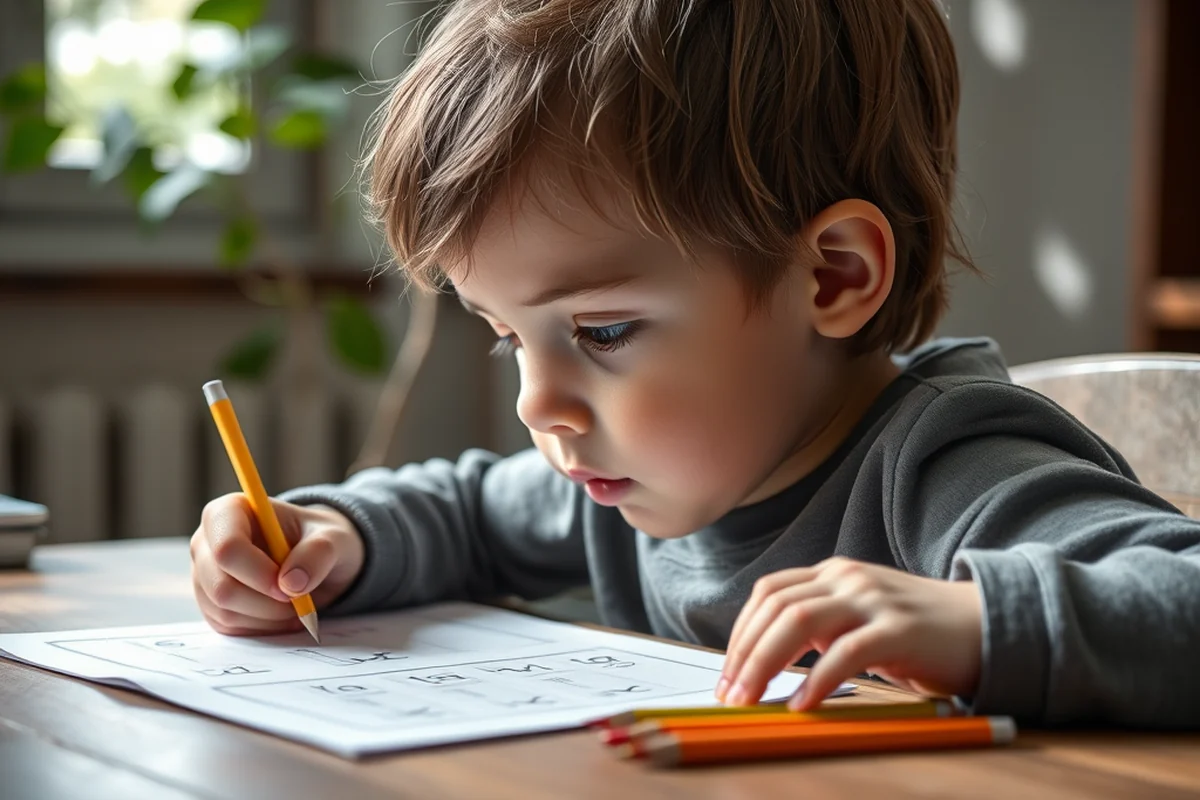
I've turned laundry day into a learning opportunity by labeling socks and shirts with sight words. My daughter had to match the words to the items, which helped her associate the words with real-life objects.
Another favorite was using playdough and letter stamps to create sight-word shapes. She loved molding the letters and calling out the words as she went. It was a tactile and creative way to reinforce learning.
Even the kitchen can be a learning zone. I've used magnets and fridge space to create a 'word wall' with sight words. My daughter would spell them out and check her work as she went.
Learning doesn't have to be confined to a desk.
Related: Easy sight word practice budget
Adapting Activities for Different Learning Styles
My daughter is a visual learner, so I've focused on activities that use images, colors, and shapes. One of my favorites is using sight-word flashcards with pictures that match the words, like 'dog' next to a picture of a dog.
For auditory learners, I've used songs and rhymes to teach sight words. There's a great app called 'Sight Words for Kids' that uses music and repetition to help children remember words effortlessly.
Kinesthetic learners benefit from movement, so I've incorporated activities like jumping on sight-word squares or using a hopscotch board with words written on each square. It's fun, physical, and effective.
I've found that observing how my daughter interacts with different activities helps me understand her learning style. Once I realized she preferred hands-on methods, I shifted my focus to more physical activities.
“I remember the first time my daughter struggled to read the word 'the' in a children's book.”— Wordsonsight editors
Related: Best sight word practice budget
Creating a Consistent Learning Routine
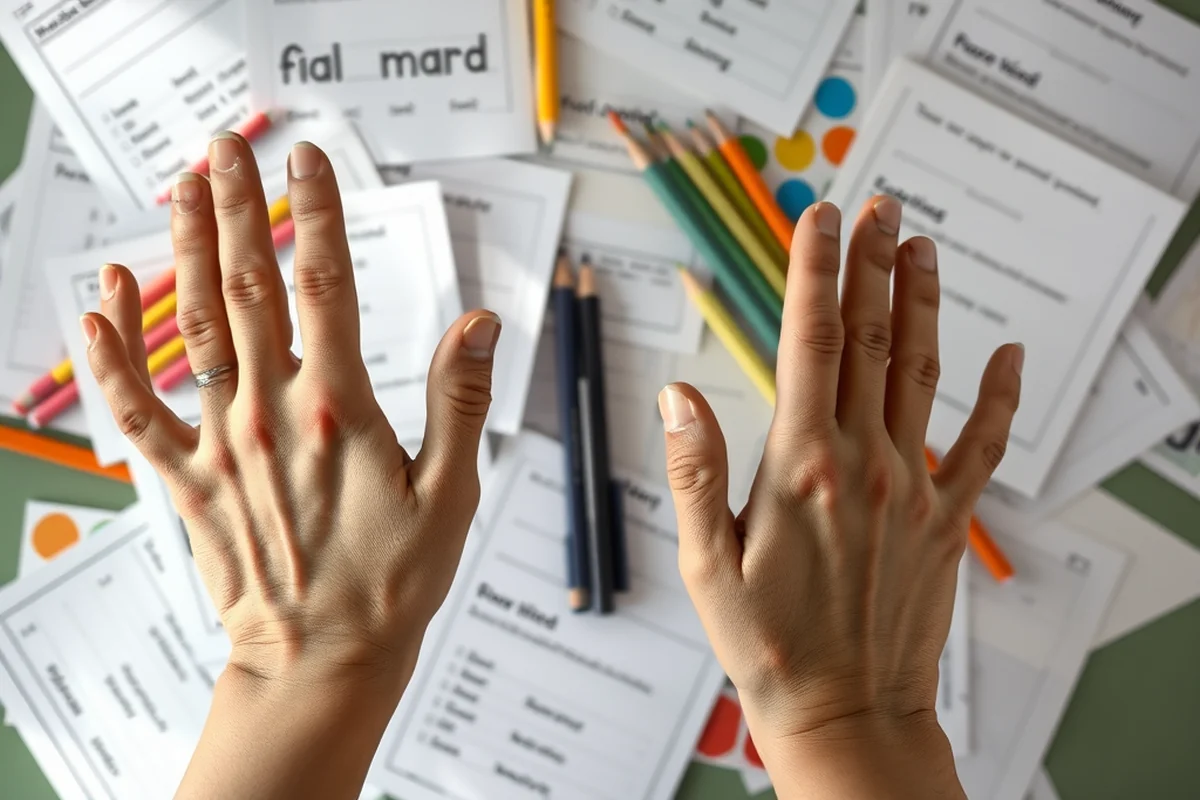
I've created a 10-minute daily routine where we review sight words together. It's brief but effective, and it's become part of our morning routine. We use flashcards, play a quick game, and then move on to the rest of the day.[1]
I've found that consistency helps my daughter retain information better. Even on busy days, a short review keeps the words fresh in her mind and reinforces her learning.
To keep it engaging, I vary the activities. Some days we play a memory game with sight-word cards, and other days we create a story using the words we've learned. It keeps the practice fun and fresh.
Related: Quick budget sight word practice
Involving Family Members for Support
I've had my husband and even my parents join in the learning process. It's a great way to involve the whole family and provide different perspectives and encouragement for my daughter.
My parents have taken turns reading sight-word stories to my daughter, which has helped her understand how words are used in context. It's also been a bonding experience for the family.
Involving siblings has also been a win. My daughter and her brother take turns teaching each other sight words. It's a great way to reinforce learning and build confidence.
👶 Younger Kids (3-5 Years)
Use picture cards, sing songs, and play matching games to introduce sight words.
🎓 Older Kids (6-8 Years)
Focus on reading in context, use storybooks, and incorporate writing activities.
⏱️ No-Prep Version
Use flashcards, online games, and everyday items to create spontaneous learning moments.
👫 Group Version
Play team-based games like sight-word relay races or group matching challenges.
🚀 Extension Activity
Create a sight-word wall or use the words in creative writing and art projects.
| The mistake | Why it happens | The fix |
|---|---|---|
| Not providing enough repetition | Sight words need to be practiced frequently to be remembered. A single review won't be enough for long-term retention. | Incorporate sight-word practice into daily routines and review the words regularly, even if it's just for a few minutes. |
| Using only one type of activity | Children learn in different ways, and relying on one method may not be effective for all learners. | Mix up the activities by using flashcards, games, songs, and hands-on tools to keep the learning process engaging and varied. |
| Forcing learning without fun | If learning feels like a chore, children may lose interest and become frustrated. | Make sight-word practice feel like a game or a fun activity by incorporating movement, music, and rewards. |
| Ignoring the child's learning style | Each child has unique learning preferences, and ignoring these can lead to disengagement and poor results. | Observe how your child interacts with different activities and tailor your approach to their learning style for better outcomes. |
Related: Simple budget sight word practice
Affordable Sight-word Practice Budget
Related: Budget sight word practice mistakes to avoid
Leveraging Community Resources for Sight-word Practice
I’ve also found that some schools run community literacy nights where parents and children can participate in sight-word activities together. These events are not only educational but also foster a sense of community. At one event, we used a scavenger hunt to find sight words around the school, which made the learning fun and engaging. It was a great way to reinforce the words without any financial investment.
Another valuable resource is local nonprofits that focus on early childhood education. I partnered with a nonprofit that provided free sight-word kits to families in need. The kits included flashcards, activity books, and even a simple app that tracks progress. I noticed a significant improvement in my son’s ability to recognize and write sight words within weeks of using the kit.
These community-based solutions not only reduce the financial burden on families but also provide a supportive environment that encourages consistent practice. I’ve found that the combination of structured activities and peer interaction helps children retain sight words more effectively. It’s a win-win for both parents and children.
DIY Sight-word Tools with Minimal Cost
I also created a simple sight-word board with Velcro and magnetic letters. I bought a small set of magnetic letters for about $10 and attached them to a piece of felt. This allowed my son to spell sight words on his own, which boosted his confidence and independence. I noticed that he was more engaged when he could manipulate the letters himself, which made the learning more hands-on and enjoyable.
I made a sight-word poster for our kitchen wall using printed words and colored tape. I arranged the words in a rainbow pattern, which made the poster visually appealing and easy to read. My son would point to the words during mealtime, which turned a routine activity into a learning opportunity. It also helped him retain the words because he was exposed to them repeatedly.
I also repurposed old jars and bottles to create a sight-word matching game. I wrote sight words on small pieces of paper and placed them inside the jars. My son would then pull out a word and match it with the corresponding picture. This game was not only fun but also reinforced the connection between the word and the object. It was a great way to reuse items I already had at home, which kept the cost minimal.
Maximizing Time with Structured Repetition and Spaced Review
I've found that setting aside just 15 minutes a day for structured sight-word practice significantly improves long-term memory. I use a simple notebook to track the words my child practices, marking each session with a check and revisiting words every few days. This method ensures that words are not just learned once but reinforced over time. The key is consistency, even if it's only a short session each day.
To implement spaced review, I create a rotation system where we revisit previously learned words every three to five days. This prevents the child from forgetting and keeps the practice dynamic. I use flashcards with the words on one side and a simple image on the other, which helps with visual memory. This approach doesn’t require any additional spending, just a bit of organization.
I also incorporate a reward system that's low-cost, like stickers or a small treat after completing a week of consistent practice. This adds motivation without breaking the budget. The reward is not about the item itself, but the sense of accomplishment it creates. Over time, this helps build confidence and a positive association with learning sight words.
Common Questions
How can I make sight-word practice more engaging for my child?
What are some low-cost tools I can use for sight-word practice?
How often should I practice sight words with my child?
Can I use technology to support sight-word learning on a budget?
References
- Methods for Sight Word Recognition in Kindergarten - ERIC (files.eric.ed.gov)
Cite this guide
Wordsonsight (2026). Affordable Sight-word Practice Budget. https://wordsonsight.com/affordable-sight-word-practice-budget/
Feel free to cite or share this guide.