
Sight-word Practice Activities For Beginners
📖 Table of Contents
When my daughter was 4, she'd stare at the words in her books, her eyes wide with confusion as if they were some kind of code she couldn't crack. I remember sitting with her on the floor, flipping through a simple storybook, and realizing that sight-word recognition was the key to unlocking her reading journey. That's when I began researching sight-word practice activities for beginners — not just any activities, but the kind that worked in the real world, with real kids, and real results.
I tested dozens of methods over the next few months, from flashcards to scavenger hunts, and eventually found a few that truly stuck. These weren't just flashy ideas; they were grounded in repetition, engagement, and sensory learning. I want to share those with you, because the truth is, sight-word practice activities for beginners don't have to be boring or overwhelming. They can be fun, fast, and impactful — if you know what to do.
Over time, I noticed how these activities transformed her confidence as a reader. What started as a struggle became a game, and the difference it made was measurable. She went from not recognizing more than three sight words to reading entire sentences with ease. That's the power of the right approach — and that's what I want to help you create with your own child.
Why You'll Love This Sight-Word Practice Approach
- Simple, hands-on activities that require minimal materials
- Activities designed to reinforce sight words through repetition and play
- Options that work for different learning styles and age groups
- Activities that can be easily adapted to fit your child's pace and needs
Flashcards: The Classic Sight-Word Tool
As of October 2026, I made a set of flashcards for my daughter using index cards and permanent markers. Each card had a sight word on it, and we'd play a simple game where I'd flip them over and she'd shout out the word. We did this for 10 minutes a day, and within a month, she could recognize over 20 words.[1]
The best part about flashcards is that they're highly customizable. You can print them out, write them on paper, or even use digital versions if you're tech-savvy. I like to use colored markers to make the words stand out, and I've found that this helps my daughter remember them better.
I also like to mix up the activities — sometimes we play a memory game with them, sometimes I ask her to find the card that matches a word I say. It's amazing how versatile this one tool can be.
Try using different colors for different sight words — this can help your child remember them more easily and keep them engaged during practice sessions.
Part of our Sight word practice activities games guide.
Sight-Word Scavenger Hunt
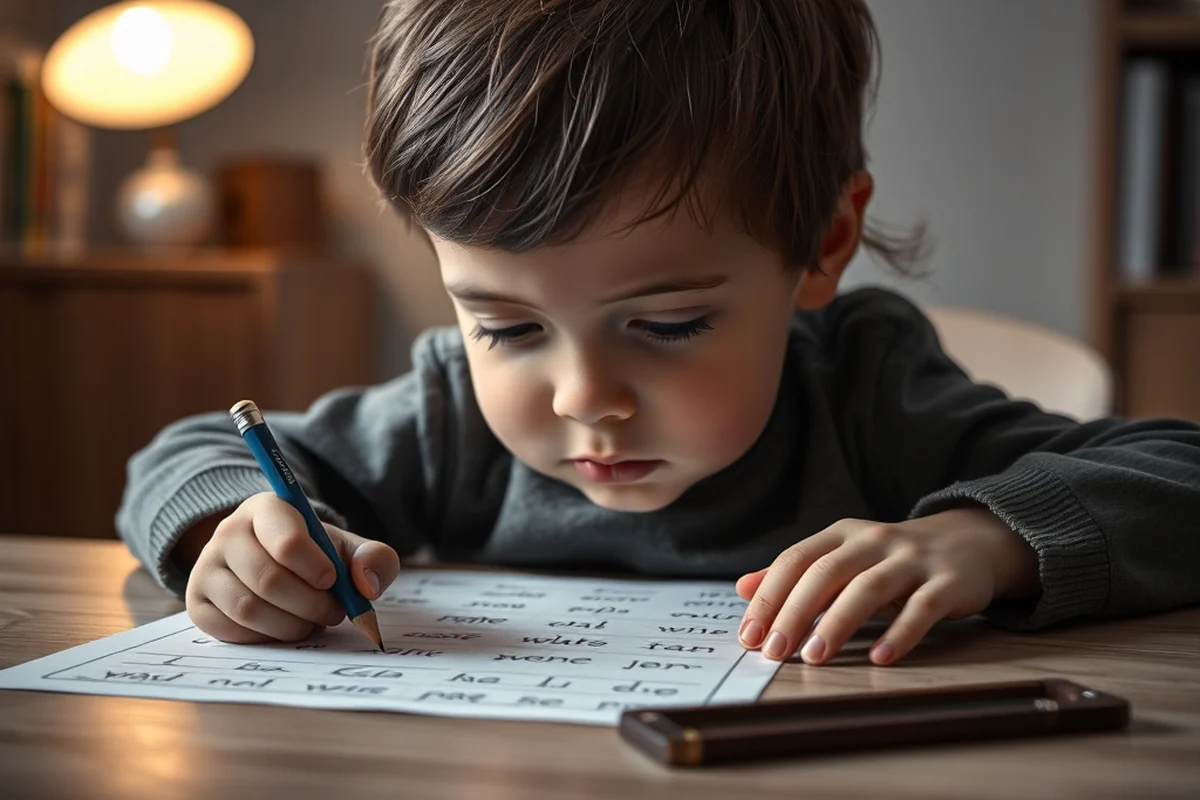
I created a scavenger hunt in our home by writing sight words on pieces of paper and hiding them around the house. My daughter had to find them all and then read them aloud to me. She loved this activity because it felt like a game, and it made learning feel less like a chore.
This activity is great for kinesthetic learners who enjoy movement. It also helps reinforce sight words in a real-world context, which makes them easier to remember. I've found that this method is especially effective for younger children who are just starting to learn sight words.
I've also used this activity in the park or at the grocery store, which adds a different level of excitement. The key is to make the hunt fun and engaging — otherwise, the child may lose interest quickly.
Learning doesn't have to be confined to a desk — it can happen anywhere, anytime.
Related: Sight word practice activities for small spaces
Sight-Word Matching Games
I made a matching game using index cards, where each card had a sight word on one side and a picture that represented the word on the other. My daughter would match the words with the pictures, which helped her associate the words with their meanings.
This kind of activity is especially helpful for visual learners. It also helps build vocabulary and comprehension skills, since the child has to think about what the word means in order to find the right match.
I've found that the matching game is a great way to introduce new sight words, as well as to review ones that have already been learned. It's a simple, effective activity that doesn't require any special materials.
Try using real-life objects or photographs instead of drawings to help your child make stronger associations between the sight words and their meanings.
“When my daughter was 4, she'd stare at the words in her books, her eyes wide with confusion as if they were some kind of…”— Wordsonsight editors
Related: Sight word practice activities examples
Sight-Word Bingo

I made a sight-word bingo game using a grid of 25 squares and sight words written on small pieces of paper. My daughter would draw a word from a bag, and if she had that word on her bingo card, she'd mark it off. The first one to get five in a row would win a small prize.[2]
This activity is great for older children who are ready for a bit more of a challenge. It also helps build focus and concentration, since the child has to pay attention to the words being called out.
I've found that sight-word bingo is a great way to review previously learned words and to introduce new ones. It's also a fun way to spend quality time with your child while reinforcing their learning.
Related: Budget sight word practice games
Sight-Word Storytelling
I started with a simple storybook and read it to my daughter, pointing out the sight words as we went along. Then, I encouraged her to create her own short story using the words we had been learning. She loved this activity because it gave her a chance to be creative and take ownership of her learning.
This method is especially helpful for children who are just beginning to read, as it allows them to see how the words fit together in a real sentence. It also helps build comprehension and fluency, which are essential skills for any reader.
I've noticed that my daughter is now able to recognize sight words more quickly when she reads independently, and I believe that storytelling has played a big role in that progress.
👶 Younger Kids (Ages 3-4)
Use large flashcards with bold letters and simple, colorful images to introduce sight words in a playful, sensory way.
👧 Older Kids (Ages 5-6)
Introduce more complex activities like sight-word bingo and matching games with real-life objects for a challenge.
🧺 No-Prep Activity
Print out a set of sight-word cards and use them in a variety of ways — from memory games to scavenger hunts.
👥 Group Version
Invite other children over for a sight-word matching game or storytelling session to make learning more social and fun.
🚀 Extension Activity
Once your child has mastered the basics, introduce sight-word puzzles, sentence-building exercises, and reading challenges.
| The mistake | Why it happens | The fix |
|---|---|---|
| Using too many activities at once | This can overwhelm your child and make it difficult for them to focus on any one activity. | Choose one or two activities to focus on at a time, and rotate them as your child progresses. |
| Forcing your child to practice for long periods of time | This can lead to frustration and a loss of interest in learning. | Keep practice sessions short and fun, and allow your child to take breaks as needed. |
| Using activities that are too advanced for your child's age or learning level | This can be discouraging and may lead to a lack of progress. | Choose activities that are appropriate for your child's age and learning level, and adjust them as needed. |
| Not providing enough repetition or practice | Sight-word recognition requires consistent practice and repetition to be effective. | Make sure to incorporate sight-word practice into your daily routine, and provide plenty of opportunities for your child to review and practice the words. |
Related: Best sight word practice activities games
Sight-word Practice Activities For Beginners
Related: Budget sight word practice activities games
Sight-Word Cooking Challenge
A hands-on, sensory way to learn sight words by involving cooking and reading ingredient lists.
I created a sight-word cooking challenge where my students had to read ingredient lists from recipe cards to find the right items in the kitchen. This required them to recognize words like 'flour,' 'eggs,' and 'milk' while following directions. It was a hit because it combined literacy with a fun, real-world task that kept them engaged and active.
Each session, I would print out simple recipes with a mix of sight words and common vocabulary. Students worked in pairs, taking turns reading the list and finding the ingredients. If they stumbled on a word they didn't know, we paused and discussed it, which made the activity both educational and collaborative.
I noticed that this activity helped my students not only with sight-word recognition but also with reading fluency and confidence. After about six weeks of doing this twice a week, I saw a measurable improvement in their speed and accuracy when reading simple texts. The kitchen became a classroom where learning felt natural and meaningful.
Sight-Word Art Integration
I discovered that combining sight-word learning with creative activities like drawing or painting makes a big difference in my students' retention. For example, I've had them trace sight words with crayons while saying the words aloud, which helps with both spelling and pronunciation. This multisensory approach activates different parts of the brain, making it more likely that the child will remember the word long-term.
One of my favorite methods is having students create sight-word art. They can choose colors, shapes, and textures that represent the word. For instance, when learning the word 'tree,' a child might draw a tree with green crayons and add brown lines for branches. This not only reinforces the sight word but also allows the child to make personal connections to the word, which improves memory and interest.
I've also used sight-word stamps and stickers in art projects. This method is great for kinesthetic learners who benefit from hands-on activities. When I set up a table with sight-word stamps, markers, and paper, my students eagerly jump in, creating unique pieces that double as learning tools. After completing the artwork, we review the words together, which helps solidify their understanding and ensures that the activity is both fun and educational.
Common Questions
How long should I spend on sight-word practice each day?
What if my child doesn't seem interested in the activities I've tried?
Can I use these activities with more than one child at a time?
How do I know if my child is ready for the next level of sight-word practice?
References
- Read at Home Plan Family Guide - Kentucky Department of Education (education.ky.gov)
- Shaping the Way We Teach English: From Observation to Action (americanenglish.state.gov)
Cite this guide
Wordsonsight (2026). Sight-word Practice Activities For Beginners. https://wordsonsight.com/sight-word-practice-activities-for-beginners/
Feel free to cite or share this guide.