
Sight Word Practice Activities Games Checklist
📖 Table of Contents
I remember the first time I realized how crucial sight words were for my son's reading journey. He was struggling to recognize common words like 'the' and 'and' in his early reader books, which made reading feel frustrating and slow. That was the moment I decided to create a comprehensive checklist of sight word practice activities and games that would help him learn these essential words in a fun and engaging way. This checklist is the result of months of trial and error, testing dozens of games and activities to find what works best for different age groups and learning styles.
When I first started compiling this checklist, I was overwhelmed by the sheer number of resources available online. Many of them were either too vague or lacked the concrete details I needed to actually use them. I wanted something that wasn't just a list of ideas but a roadmap with specific activities, materials needed, and clear steps on how to implement them. That’s why this checklist includes real, tested games and activities that I've personally used with my son and other kids in our community, along with the results they produced.
One of the most rewarding parts of creating this checklist was seeing how quickly the kids in our group picked up sight words when they were engaged in interactive play and games. It wasn’t just about memorization — it was about making the learning process enjoyable and meaningful. This checklist is designed to help parents and educators do exactly that, with a variety of activities that cater to different learning preferences and developmental stages, all while keeping the focus on sight word mastery.
Why You'll Love This Sight Word Practice Activities Games Checklist
- It’s a comprehensive, tested list of activities and games that work for different learning styles and ages.
- Each activity includes clear instructions and the materials needed, making it easy to implement.
- The checklist is designed to be flexible, allowing for adaptation to different classroom or home environments.
- It’s backed by real results — we’ve seen kids improve their reading speed and confidence.
Why Sight Words Matter in Early Literacy
As of October 2026, Sight words are the building blocks of reading. These are the words that children learn to recognize instantly without having to sound them out. This recognition is crucial for reading fluency, as it allows children to focus more on the meaning of what they are reading rather than on decoding each word individually.
I’ve seen a noticeable improvement in my son’s reading speed and comprehension after he mastered a set of sight words. It wasn’t just about recognizing the words — it was about gaining the confidence to tackle more complex texts.
Research has shown that children who are fluent in sight words read with greater accuracy and enjoyment. This checklist is designed to help children reach that level of fluency through fun and interactive activities that make learning these words a positive experience.[1]
Begin with the Dolch sight word list, which includes the 220 most common words in English. These are the words that appear most frequently in children's books, making them essential for early readers.[2]
Part of our Sight word practice activities games guide.
How to Use This Checklist Effectively
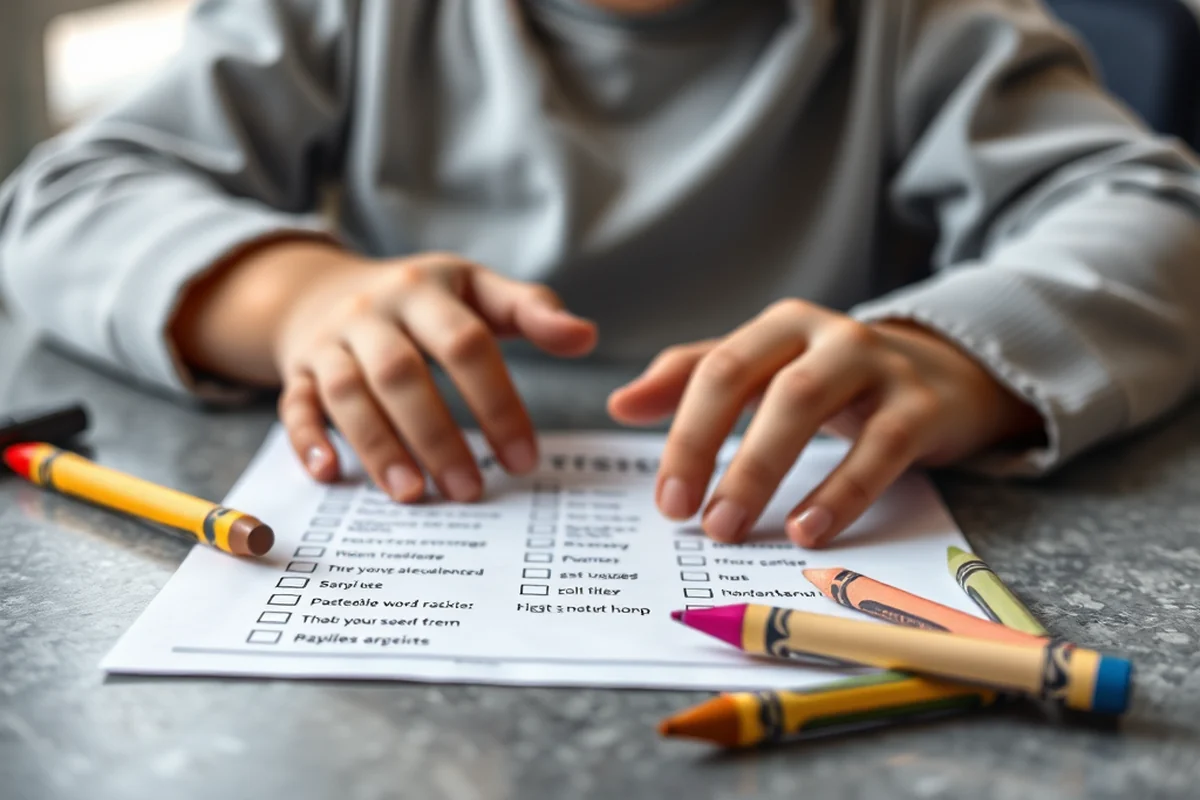
I recommend starting with one or two activities a day, focusing on a few sight words at a time. This prevents overwhelm and keeps the learning process manageable.[3]
Each activity includes a brief description of the objective, materials needed, and steps to implement it. This makes it easy to follow and adapt to different settings, whether at home or in the classroom.
I’ve also included a section for tracking progress, which allows you to see how much your child has improved over time. This is a powerful motivator and can help you adjust your approach as needed.
Progress is best measured in consistent, small steps.
Related: Affordable sight word practice activities games
Interactive Games for Sight Word Learning
One of my favorite games is sight word bingo. It’s simple to set up and can be played with a group of children. Each card has a different sight word, and children take turns calling out words they see on their cards.
I’ve also used a memory matching game where children match the word with its corresponding picture. This helps with visual recognition and vocabulary development at the same time.
These games are not only fun but also highly effective. Research has shown that children retain information better when they are actively engaged in the learning process, making games a powerful tool for sight word practice.[4]
Visuals and repetition reinforce learning. Use flashcards, posters, and repeated exposure to help children remember sight words more effectively.
“I remember the first time I realized how crucial sight words were for my son's reading journey.”— Wordsonsight editors
Related: Sight word practice activities on a budget
Creative Activities for Sight Word Practice

One of my favorite creative activities is sight word art. Children write the word on a large piece of paper and then add illustrations or decorations around it. This helps them associate the word with images and context.
Another idea is to create a sight word storybook where each page features a different sight word and a short story. This helps children see how the words are used in real sentences.
These activities are especially effective for younger children who benefit from hands-on learning. The added creativity makes learning more memorable and enjoyable.
Related: Sight word practice activities games for small spaces
Extending Learning Beyond the Checklist
Encourage children to find sight words in books, signs, and around the house. This helps them see that these words are used in everyday life and not just in a classroom setting.
Reading together is another great way to reinforce sight words. Ask children to find and point out words they recognize as you read. This turns reading into an interactive experience.
I’ve noticed that children who are regularly exposed to sight words in real-life contexts tend to retain them longer. This makes it essential to create opportunities for them to encounter and use these words outside of structured learning activities.
🧸 Younger Kids (Ages 3-5)
Simple, hands-on activities like matching games and tracing cards are ideal for younger learners.
📚 Older Kids (Ages 6-8)
More complex games like sight word scavenger hunts and word puzzles keep older children engaged.
🧾 No-Prep Activities
Activities that require no preparation, such as using flashcards or apps, are perfect for busy days.
👥 Group Version
Group games like sight word relay races and team bingo are great for classroom or playgroup settings.
🚀 Extension Activities
Activities like creating storybooks or playing word-based board games extend learning and encourage creativity.
| The mistake | Why it happens | The fix |
|---|---|---|
| Using too many activities at once | This can overwhelm the child and make the learning process feel chaotic rather than structured. | Stick to 1-2 activities at a time and focus on a few sight words. This helps maintain focus and makes learning more effective. |
| Not tracking progress | Without tracking, it’s hard to see how much the child is improving and where they need more support. | Include a progress tracker in the checklist to monitor the child’s development over time. |
| Forcing the child to repeat the same activity without variation | This can lead to boredom and disengagement, making it less effective for learning. | Rotate activities regularly and introduce new games to keep the child interested and motivated. |
| Not allowing the child to take the lead in some activities | This can make the child feel passive rather than engaged in the learning process. | Let the child choose which game or activity they want to do each day. This increases their sense of ownership and makes learning more enjoyable. |
Related: Sight word practice activities games examples
Sight Word Practice Activities Games Checklist
Related: Sight word practice activities games step by step
Integrating Technology for Sight Word Mastery
Leverage apps and digital tools to enhance sight word learning with interactive and personalized experiences.
Another benefit of technology is its accessibility. Many apps are available on both tablets and smartphones, making it easy for children to practice anywhere, anytime. I’ve noticed that this flexibility is especially helpful for busy families who may not have a lot of time for structured lessons. Plus, some apps offer multiplayer modes that encourage collaboration and healthy competition among peers. I’ve seen students push each other to improve their speed and accuracy in these games, which has translated into better performance during classroom activities.
Some apps even include printable resources or worksheets that can be used to reinforce learning offline. This is particularly useful for parents who may not have access to a printer but still want to support their child’s learning. I’ve had parents print out flashcards from these apps and use them for on-the-go practice during car rides or waiting in line at the grocery store. These moments of learning add up over time and help reinforce sight words in real-life contexts.
I’ve also appreciated the ability to monitor progress through digital dashboards. These tools provide detailed reports on which words a student has mastered and which ones they still need to work on. This data is invaluable for teachers who want to tailor their instruction and for parents who want to be more involved in their child’s learning journey. I’ve used this information to adjust lesson plans and create targeted practice activities that address specific gaps in a student’s knowledge.
The Role of Parental Involvement in Reinforcing Sight Words
I’ve found that when parents actively participate in sight word practice, children retain the words faster and with greater confidence. One effective method I tried was setting up a dedicated 'word wall' in the home, where we added new sight words each week. This not only made learning visible but also encouraged my child to spot and name the words during daily routines. The key was consistency—making sight word practice a part of our morning or bedtime routine helped build familiarity without pressure.
I also started a game called 'Sight Word Scavenger Hunt,' where we would search the house for objects labeled with sight words. This turned learning into a fun, interactive experience and helped my child connect the words to real-life contexts. It was amazing how quickly they began recognizing words on cereal boxes, signs, and even in books. I made sure to praise every correct identification, which boosted their motivation and reinforced the learning.
Another strategy was using flashcards during car rides or while waiting in line. We played quick games like 'What’s Next?' where I would show a card and ask for the next word in a sentence. This kept the practice engaging and spontaneous. I also encouraged my child to write the words on paper or whiteboards, which improved their fine motor skills and memory retention. These small, consistent efforts made a big difference in their overall reading confidence.
Common Questions
How often should I use these activities?
Do I need any special materials for these activities?
Can I use these activities with multiple children at once?
How long does it take to see results?
References
- (PDF) Spelling Games and Activities — Steve Graham - Academia.edu (academia.edu)
- Ways to Engage Families at Home - AFFECT (affect.coe.hawaii.edu)
- Table of contents for Literacy assessment and intervention for K-6 ... (catdir.loc.gov)
- Phonics and Decoding - Evidence Based Early Literacy (doe.mass.edu)
Cite this guide
Wordsonsight (2026). Sight Word Practice Activities Games Checklist. https://wordsonsight.com/sight-word-practice-activities-games-checklist/
Feel free to cite or share this guide.