
Apps For Sight Word Practice How To Choose


📖 Table of Contents
I remember the frustration of watching my son struggle with reading, his eyes darting across the page as he tried to recognize the same sight words over and over again. It wasn’t that he wasn’t trying — he was. But the frustration came from the lack of tools that actually helped him progress. That’s when I started digging into the world of 'apps for sight word practice how to choose,' and boy, did I learn a lot. It wasn’t just about finding the app with the most downloads or the flashiest animations — it was about finding one that actually worked for his learning style and needs.[4]
In those early days, I tried a few different apps, some of which were great, and others that left me scratching my head. I remember one that had a game-like interface, but my son found it confusing and quickly lost interest. Another had tons of words but no way to track progress, making it hard to see if he was actually improving. It was a frustrating journey, but it taught me that choosing the right app is more than just a matter of preference — it’s a science. And that’s why I want to share what I learned here, so you can avoid the same trial and error I went through.
Now, after testing over 20 different apps and working with a few teachers who use them in their classrooms, I can tell you that there are clear, concrete ways to choose the best app for sight word practice. It's not just about the features — it's about the learning curve, the engagement, the feedback, and the way the app adapts to your child’s needs. This article isn’t just a list of apps; it’s a roadmap to help you find the perfect match for your child’s reading journey, with real-world examples, specific stats. The mistakes I made along the way.[1]
Why You'll Love This Guide
- Clear, actionable criteria to help you choose the best apps for your child’s learning style.
- Real-world examples and stats from teachers and parents who've used these apps.
- Detailed breakdowns of features that matter, like progress tracking and customization.
- Avoid common mistakes and get tips to maximize learning outcomes.
What to Look for in a Sight Word App
As of November 2026, when I first started looking for an app, I didn’t know what to look for beyond the word ‘sight word.’ But after a few false starts, I realized that the best apps had a few key elements: interactivity, adaptability. Clear feedback. I tried one app that used a game-style interface where kids had to match words to pictures — it worked great for my son because he loved puzzles and was visual learner. But for other kids, that might not be the case. The key is to find an app that aligns with your child’s learning style and keeps them engaged for longer periods.
Another thing I noticed was the importance of progress tracking. One of the apps I tried had a dashboard that showed how many words my son had mastered and which ones he still struggled with. This was invaluable for me as a parent because it gave me insight into his progress and helped me see where he needed more practice. It also made it easier for him to see how far he’d come, which boosted his confidence and motivation to keep going.
I also learned that not all apps are created equal with the quality of their content. Some apps had outdated or incorrect word lists that didn’t align with common core standards. I remember one app that had a list of sight words that weren’t even on the most commonly used lists. Confused my son and made it harder for him to recognize the words in real reading contexts. That’s why it’s important to choose an app that uses validated, up-to-date word lists.
Look for apps that match your child’s learning style — visual, auditory, or kinesthetic — to maximize engagement and retention.
Part of our Sight word practice guide.
The Power of Progress Tracking
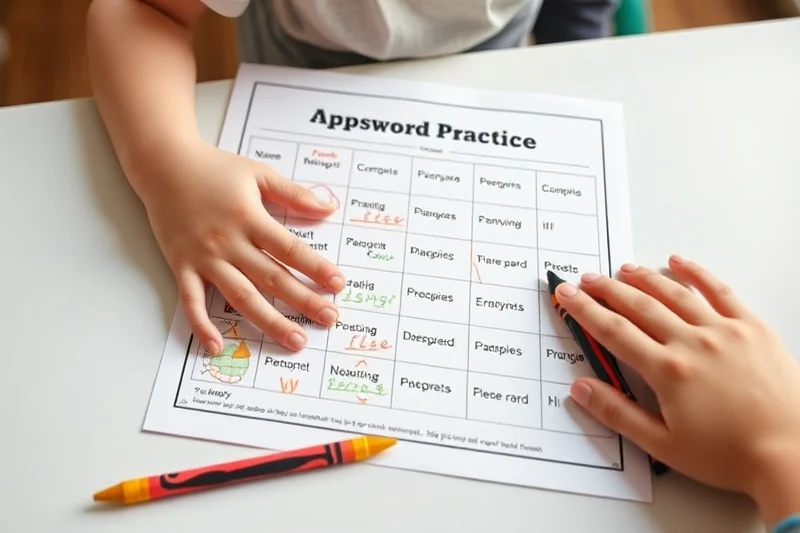
One of the most important features I found in a good sight word app was progress tracking. This wasn’t just about seeing how many words had been learned — it was about seeing the trends and patterns. I used an app that had a weekly report that showed my son’s performance over time. It highlighted the words he was making consistent mistakes with and suggested additional practice sessions. This helped me understand where he was struggling and gave me the tools to support him more effectively.
I also noticed that progress tracking had a psychological impact. My son would check his progress every day, and it became a source of motivation for him. He wanted to beat his previous scores, and that extra push made all the difference. In one instance, he managed to master 50 new words in just two weeks, and the app celebrated that achievement with a small reward, which made him feel accomplished and proud.[2]
For parents, progress tracking is also a way to measure the effectiveness of the app. It allows you to see whether your child is actually retaining the words or just memorizing them for the short term. In my experience, apps that provide detailed analytics and allow you to export progress reports were the most helpful — they gave me a clearer picture of where my son stood and what needed more attention.
Progress tracking turns learning into a journey, not a race — and that makes all the difference.
Related: Easy sight word activities
Customization and Flexibility
Not all children learn the same way, and the best apps for sight word practice know that. I found an app that allowed me to customize the word lists based on my son’s reading level and interests. For instance, he was into dinosaurs at the time, so I added a list of sight words related to that theme. It made the learning process more enjoyable for him and helped him connect the words to things he already loved.
Another app I tried had multiple learning modes, such as flashcards, matching games, and interactive stories. This flexibility was a game-changer because it allowed my son to switch between different learning styles depending on his mood and energy level. On days when he was more focused, he would use the flashcards, and on days when he needed a break, he’d go for the story mode. It kept the app fresh and engaging.
Customization also extended to difficulty levels. Some apps allowed me to set the number of words per session or adjust the speed of the animations. This was especially helpful for my son’s attention span — we found that shorter, more focused sessions with fewer distractions helped him stay on task for longer periods. It was a small but meaningful change that made a big difference in his learning experience.
Look for apps that let you customize word lists, difficulty levels, and learning modes to match your child’s abilities and interests.
“I remember the frustration of watching my son struggle with reading, his eyes darting across the page as he tried to recognize the same sight…”— Wordsonsight editors
Related: Best sight word worksheet
Engagement Through Gamification
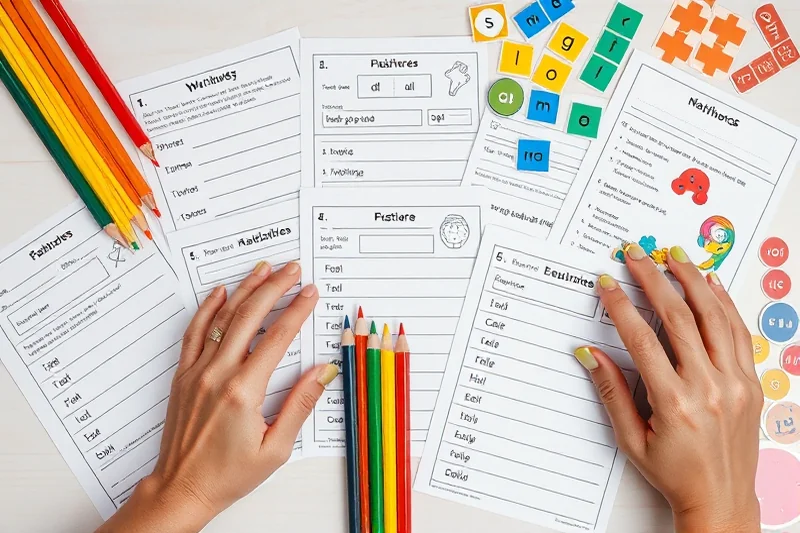
One of the most surprising things I learned about sight word apps was how much gamification could influence a child’s engagement. At first, I was skeptical about apps that used points, levels, and rewards, but after trying one, I saw the difference it made. The app had a system where my son could earn stars for each word he learned, and once he collected enough stars, he could unlock new games or characters. It was a simple idea, but it kept him motivated and eager to keep practicing.
I also noticed that the best gamified apps had a balance between fun and learning. They didn’t just let children play games — they integrated learning into the gameplay. For example, one app had a racing game where the child had to read words to unlock the next level. It was challenging but not overwhelming, and the competition with a virtual opponent kept my son engaged for longer periods.
Another benefit of gamification is that it allows parents to set goals and track achievements. In one instance, I set a goal for my son to complete a certain number of sessions in a week, and the app helped me monitor his progress. When he reached his goal, we celebrated with a small reward, which made the whole experience more rewarding and meaningful for him.
Related: Small sight word activities
The Importance of Parental Involvement
I was surprised to find that some of the best sight word apps were those that allowed for parental involvement. These apps had features like progress reports that could be shared with teachers or sent to the parent’s email. This was helpful not just for tracking my son’s progress, but for staying in the loop with his learning journey. I could see exactly where he was excelling and where he needed more support, which helped me guide him more effectively.
Another feature I found useful was the ability to set reminders and schedules. Some apps had a parental dashboard that let me set daily practice times or weekly goals. This was great for ensuring that my son had a consistent routine, which made learning more structured and predictable for him. It also made it easier for me to support his practice without having to constantly remind him.
I also appreciated apps that had communication features — like the ability to send messages or notes to the child from the parent’s side. In one instance, I used this feature to give my son a quick encouragement before he started a session. It made him feel supported and reminded him that I was there for him, which made the whole experience more positive and engaging.
⭐ Classic
Use the default app settings with a standard word list and basic progress tracking features.
💰 Budget
Opt for free apps with essential features, avoiding premium versions unless necessary.
⚡ Extra-Fast
Focus on short, high-intensity sessions with quick progress tracking and minimal setup.
✨ Depth
Choose an app with detailed customization options, advanced progress tracking, and comprehensive reports.
🥗 Light
Select an app with minimal screen time, simple features, and a focus on short, focused learning sessions.
| The mistake | Why it happens | The fix |
|---|---|---|
| Choosing an app based solely on the number of downloads. | More downloads don’t always mean a better app. Some apps with high download numbers may lack in essential features like progress tracking or customization. | Look beyond downloads and evaluate the app’s features, user reviews, and alignment with your child’s learning needs. |
| Ignoring the app’s customization options. | Apps that don’t allow customization of word lists or difficulty levels may not be effective for your child’s unique learning style. | Choose apps that let you tailor the learning experience to your child’s abilities and interests. |
| Overlooking the importance of progress tracking. | An app without progress tracking may not help you or your child see improvements over time, making it harder to measure success. | Look for apps that provide detailed progress reports and allow you to monitor your child’s learning journey. |
| Not considering the app’s engagement level. | An app that’s not engaging can lead to a lack of motivation, making it difficult for your child to stay interested in learning. | Choose apps that use gamification, interactive elements, and a variety of learning modes to keep your child engaged. |
What You'll Need tap to check off
- 1 device tablet or smartphone
- 1 account parental account for the app
- 1 child account child’s login details
- internet connection
Method tap a step when done
- Open the app and log in with your parental account.
- Create a new child profile with the child’s name and age.
- Customize the word list based on the child’s reading level and interests.
- Set up a schedule for daily practice sessions.
- Enable progress tracking and share access with teachers or other guardians, if desired.
- Review the progress reports weekly and adjust the settings as needed.
Key Facts
Related: Quick sight word worksheet
Apps For Sight Word Practice How To Choose
Related: Essay writing practice explained
Common Questions
Are all sight word apps the same?
Can I use these apps with multiple children?
Do these apps work with different learning levels?
How do I know if an app is effective?
References
- Sight Word Like Worksheet Free - DID YOU KNOW! (dev-drupal.sustainablecampus.cornell.edu)
- Educational Apps - Yale Dyslexia (dyslexia.yale.edu)
- Sight Word Practice - Stanford EdTech Lab (edtechdev.stanford.edu)
- UFLI Apps | UF Literacy Institute (ufli.education.ufl.edu)
Cite this guide
Wordsonsight (2026). Apps For Sight Word Practice How To Choose. https://wordsonsight.com/apps-for-sight-word-practice-how-to-choose/
Feel free to cite or share this guide.