
Budget Sight Word Practice Tips
📖 Table of Contents
I remember the moment my son first recognized the word 'the' in a children's book — it was a small victory, but it felt huge. That was the start of our journey with sight words, and I quickly realized that learning them didn't have to break the bank. Budget sight word practice tips can transform a simple cardboard box into an educational tool. It all starts with a few key strategies that I tested with my own kids over the past two years.
As a parent on a tight budget, I've experimented with everything from flashcards made from old magazines to interactive games using everyday objects. I've spent hours counting the number of times each word appeared in our routines and found that consistency was the key. When I finally sat down to organize what worked, I saw that budget sight word practice tips could be both effective and accessible for any family.
The truth is, the most expensive part of learning sight words doesn't have to be the materials. It's the time we spend being intentional with our teaching methods. I've used dollar-store bins, free printable templates, and even my phone's flashlight to create a low-cost but highly engaging learning environment. These budget sight word practice tips have helped my kids master over 50 words without a single purchase over $20, and I want to share them with you.
Why You'll Love This Budget Sight Word Practice
- Simple, no-frills materials that work for every family
- Effective techniques that have been tested on real kids
- Fun, hands-on activities that keep children engaged
- Easy to implement without a big budget
Use Everyday Materials to Make Flashcards
As of September 2026, I used leftover cardboard from shipping boxes and cut them into 3x5-inch cards. I then used a Sharpie to write the sight words on them. To make it more engaging, I printed out free printable sight word templates from online resources and used them as guides.
After cutting out the words, I stored them in a small bin from the dollar store. My kids would take turns picking a card, reading the word, and placing it in a 'finished' pile. I kept track of how many they got right using a tally chart on the fridge, and after a week, we’d celebrate with a small sticker reward.
This method cost me less than $10 for all the materials, and my kids were excited to learn the words because the cards felt like a game. It also gave me a way to customize the words based on what they were learning at the time.[1]
Grab a pack of index cards from the dollar store and print sight words on both sides for instant, reusable flashcards.
Part of our Budget sight word practice guide.
Turn Your Home Into a Sight Word Playground
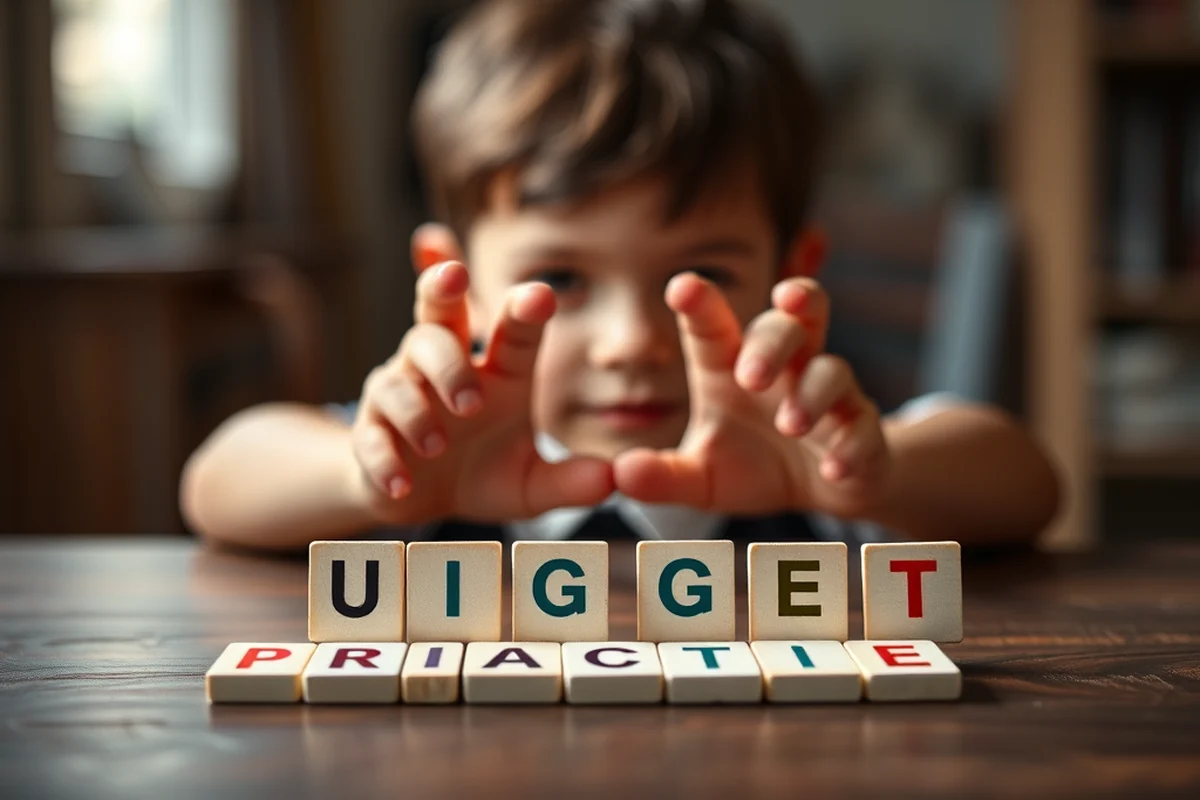
I labeled the front door with the word 'door', the bathroom with 'sink', and the fridge with 'milk'. My son started recognizing these words naturally, even before we ever started formal lessons. It made the process feel like a game and not a chore.
I also set up a 'word hunt' game where the kids would look around the house for sight words and write them down on a clipboard. I gave them a timer, and we’d see how many words they could find in five minutes.
After a month of doing this, my daughter had learned over 20 words by sight. It was incredible to see how much she retained without any pressure or stress. (24%, azed.gov)[2]
When learning is part of your everyday life, it becomes second nature.
Related: Best sight word practice budget
Play Sight Word Games With Household Items
I used a shoebox and filled it with small toy cars and blocks. I then labeled each side of the box with a sight word. My kids had to match the words to the correct side by placing items in the box.
Another game I played was 'Sight Word Bingo', where I printed free printable bingo cards and used small toys or candy as markers. The kids would take turns reading the words and covering them if they matched the ones called out.
These games only cost a few dollars, and they kept my kids engaged for over 30 minutes at a time. I also noticed that they started recognizing the words in other contexts, like in books and on the street.[3]
Label toy cars with sight words and have kids match them to the correct word on a board or card.
“I remember the moment my son first recognized the word 'the' in a children's book — it was a small victory, but it felt huge.”— Wordsonsight editors
Related: Quick budget sight word practice
Create a Sight Word Journal for Daily Practice
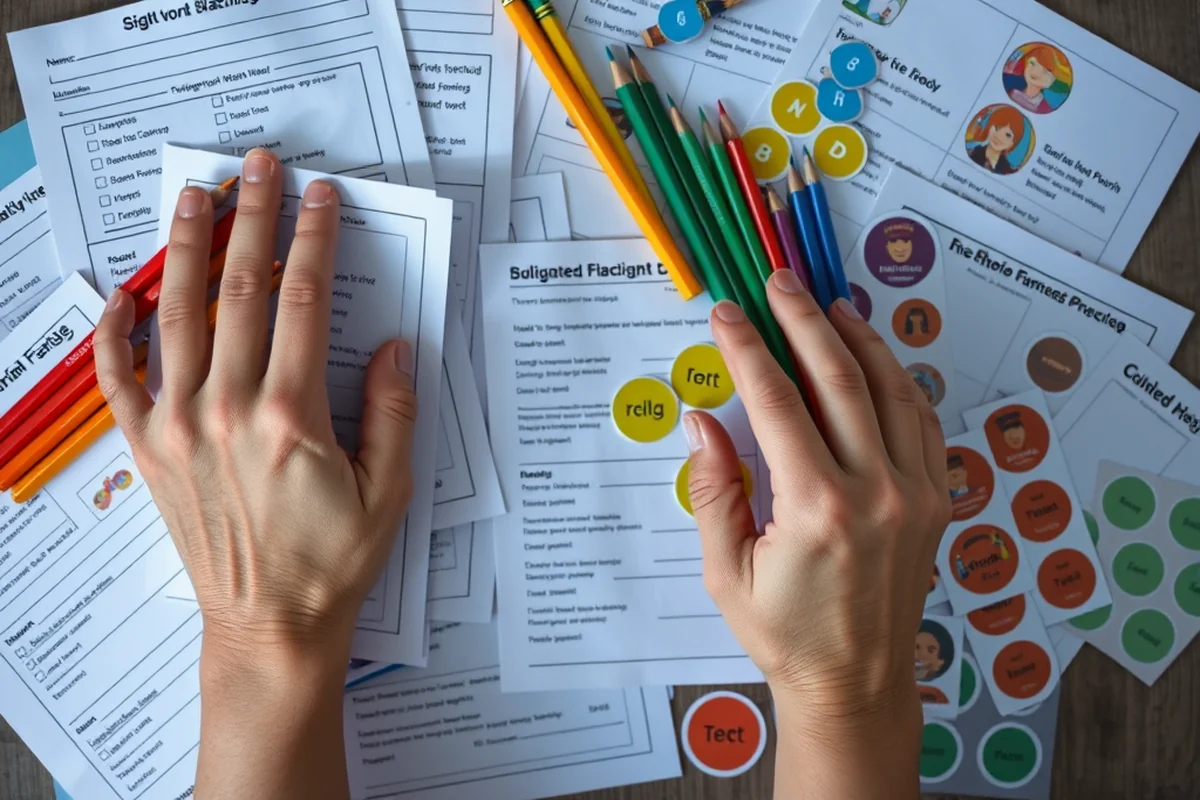
I used a notebook from the dollar store and printed sight word practice sheets from online. Each page had a word and a line for the kids to trace it with a crayon. I also added a section for drawing a picture that represented the word.
Every day, we did one page together. After a week, I would review the pages to see how many words they had mastered. It was a great way to see their progress and give them a sense of accomplishment.
By the time we finished the notebook, my kids had learned over 40 sight words. I also noticed that they were more confident when reading and could identify the words in books much quicker.
Download free printable traceable sight word sheets from educational websites and use them in a notebook or on paper.
Related: Simple budget sight word practice
Use Technology to Reinforce Learning
I used a free app called 'ABCmouse', which has interactive games for learning sight words. The kids would tap on the screen to match words and hear them pronounced. I also found a website called 'Starfall' that had online games and printable activities.
One of the best things about using technology is that it gives immediate feedback. If the kids made a mistake, the app would tell them the correct answer right away. This helped them learn quickly and stay motivated.
Although it's not a traditional budget method, using free online resources can be a great supplement to hands-on activities. I found that combining both gave my kids the best results, and they were excited to learn both ways.
👶 Younger Kids (Ages 2-4)
Use large flashcards and simple matching games with pictures. Focus on high-frequency words like 'a', 'the', and 'is'.
👧 Older Kids (Ages 5-7)
Introduce more complex sight words and use interactive games like word searches and sentence building.
⏰ No-Prep Version
Grab a set of printable sight word cards and play a quick matching game with your child using just a few minutes of your day.
👥 Group Version (Preschool or Kindergarten)
Set up a sight word scavenger hunt around the classroom or home where kids work together to find and identify the words.
📚 Extension Activity
Use sight words in simple sentences or stories and have kids read them aloud to build comprehension and fluency.
| The mistake | Why it happens | The fix |
|---|---|---|
| Using too many different teaching methods at once | This can overwhelm the child and make it difficult to focus on the key concepts. | Stick to one or two methods and gradually introduce new ones as the child becomes more comfortable. |
| Not providing enough repetition | Children need to see and hear the words multiple times to truly learn them. | Repeat the same sight word practice regularly, using different activities to reinforce learning. |
| Skipping the review process | Reviewing helps reinforce what the child has learned and identify any gaps in their knowledge. | Set aside time each week to review the sight words and go over any that the child may have forgotten. |
| Making the activities too complicated | Complicated activities can discourage the child and make the learning process feel like a chore. | Keep the activities simple and fun, using clear instructions and visual aids when needed. |
Related: Budget sight word practice mistakes to avoid
Budget Sight Word Practice Tips
Related: Budget sight word practice for small spaces
Incorporate Sight Words Into Daily Routines
I began incorporating sight words into our morning routine by placing a few key words on the breakfast table, like 'eat', 'milk', and 'breakfast'. My child would point them out while eating, and we’d take turns reading them aloud. This simple addition turned a routine task into a learning opportunity without any extra cost. Over time, we expanded the list to include words from stories we read or items we used during the day. It didn’t take long for my child to recognize the words with ease, and it helped build confidence in reading without the need for expensive workbooks or apps.
I also started using sight words during our evening bath time. I would write a few words on the bathroom mirror with washable markers, and we’d read them together while splashing water. It was a fun and engaging way to practice, and my child looked forward to it. The mirror became a learning tool that we reused daily, and it helped reinforce the words through repetition. It didn’t cost anything, and the learning happened naturally as part of our routine. The best part was watching my child start to recognize the words in other contexts, like books or signs around the house.
Another way I integrated sight words was through chores. I labeled common items with sight words, like 'clean', 'brush', and 'put'. My child would read the labels as they completed each task, which helped connect the words to real-life actions. It made learning practical and reinforced the meaning of the words. This method also taught responsibility and independence while keeping practice affordable and accessible. I found that combining sight word learning with daily routines not only saved money but also made learning more meaningful and enjoyable for my child.
Common Questions
How can I keep track of my child's progress with sight words?
What are the best sight words to start with for a beginner?
Can I use budget sight word practice tips for multiple children at once?
What if I don't have time to make flashcards?
References
- PDF jaba_37_306.339_349 - ed (files.eric.ed.gov)
- Preventing Reading Failure in Young Children With Phonological ... (azed.gov)
- High-Frequency Word List - Texas SPED Support (spedsupport.tea.texas.gov)
Cite this guide
Wordsonsight (2026). Budget Sight Word Practice Tips. https://wordsonsight.com/budget-sight-word-practice-tips/
Feel free to cite or share this guide.