
Diy Sight-word Practice Activities
📖 Table of Contents
When my daughter started kindergarten, I was thrilled but also terrified. She was learning to read, and the teacher kept mentioning 'sight words' — those magical words that kids are supposed to recognize instantly. I had no idea where to start, and the flashcards I bought felt too generic and impersonal. That’s when I realized I needed to create something hands-on, something that would make learning feel like play. The result was a collection of DIY sight-word practice activities that became a favorite part of our routine.[1]
I began by experimenting with simple, tactile materials we had at home — paper clips, playdough, and even leftover craft supplies. It wasn’t long before I noticed a shift in my daughter’s confidence. She wasn’t just memorizing words anymore; she was connecting them to real-life objects, sounds, and actions. These activities transformed her from a hesitant reader into a curious learner who would often ask for more practice. The real joy came not only from her progress but from the way we bonded over these moments of discovery.
What started as a small project to help one child has grown into a resource I now share with other parents. The DIY sight-word practice activities I developed are not only effective but also deeply customizable, allowing every family to tailor the experience to their child’s learning style and interests. With the right approach, sight words can become the building blocks of a lifelong love of reading — and that’s the kind of impact I wanted to make.[2]
Why You'll Love This Sight-Word Practice Approach
- Customizable to match your child’s learning style and preferences
- Requires only a few simple materials found around the house
- Encourages active participation and engagement
- Creates opportunities for meaningful parent-child interaction
How to Turn Everyday Objects into Learning Tools
As of August 2026, I started by cutting out sight-word cards from old magazines and gluing them onto cardboard. Then, I used small objects like buttons or beads to make matching games. For example, I would place a sight-word card on a table and ask my daughter to find the same number of buttons to match the letters in the word. This approach not only made learning tangible but also helped her understand that letters and words are made up of parts.[3]
One of my favorites was using playdough to create the letters in a sight word. It was messy, but it was also incredibly effective. The act of forming the letters with her hands helped her remember the shapes and sounds. We even played a game where she had to sculpt each word while I said it aloud. The physical engagement made the process much more memorable.
The best part was how quickly she began to recognize the words in her daily life. Whether it was on a cereal box or a toy, she would point them out excitedly. It was a small victory, but it was proof that these DIY activities were working.
You don’t need expensive materials to create effective sight-word activities. Look around your home and think about what you can repurpose for learning.
Part of our Sight word practice activities games guide.
Why Active Participation Matters
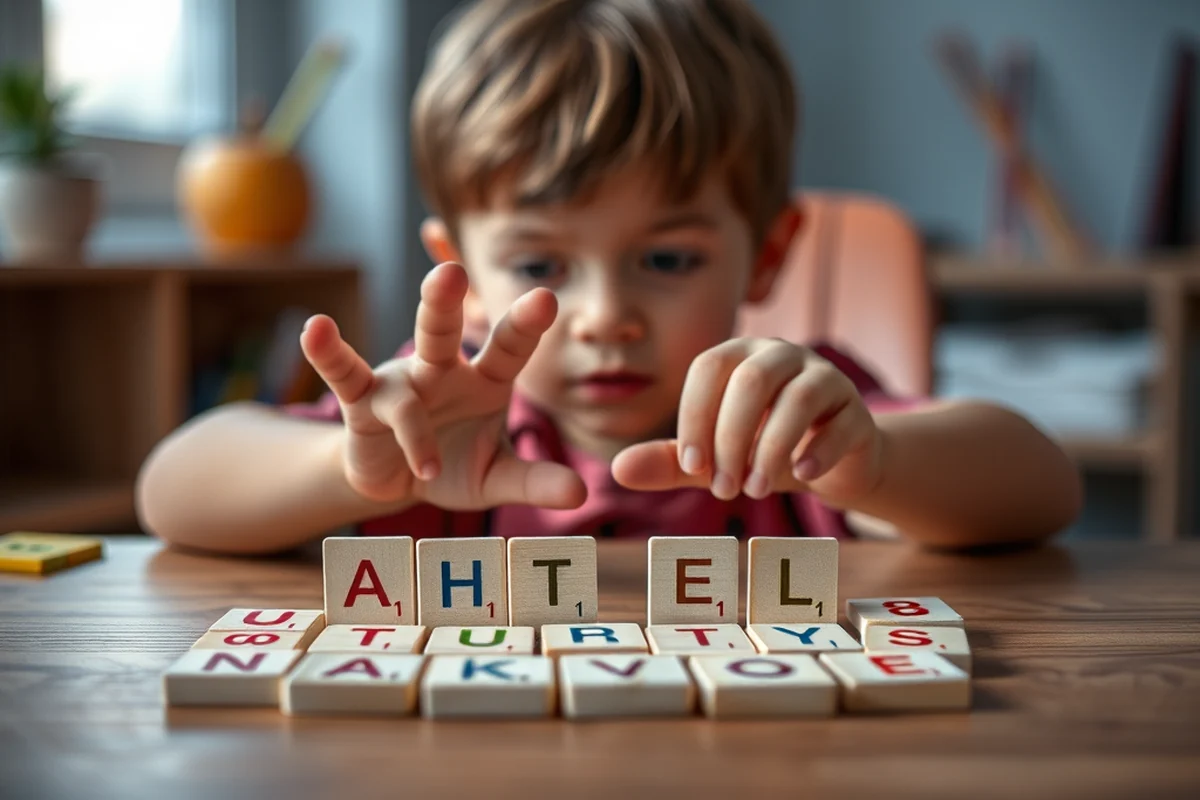
I quickly learned that passive activities like worksheets weren’t enough. My daughter would look at the paper, say the word, and then forget it the next day. When I introduced activities that required her to move, touch, or build, her retention improved significantly. For example, I created a 'word wall' where she would pin the sight-word cards after learning them, which made the process feel like a game of discovery.
Another method involved using a large piece of paper as a 'magic board' where I would write sight words and let her use markers to trace them. This wasn’t just about motor skills — it was about reinforcing the visual and tactile memory of the words. The more she interacted with the letters, the more she retained them.
Active participation also helped her build confidence. She would often say, 'I know this word!' and then proceed to teach it to her little brother. It was a moment that reminded me how powerful hands-on learning can be.
Learning is not just about seeing — it's about doing.
Related: Sight word practice activities for small spaces
Related: Diy sight word practice activities games
Related: Sight word practice activities games that actually work
Related: Easy sight word practice activities games
Related: Sight word practice activities games on a budget
Related: How To Adobe Acrobat Download
Related: Sight-word Practice Activities Tips
Creating a Multi-Sensory Learning Environment
Not all kids learn the same way, and I found that using a multi-sensory approach made a big difference. For example, I would sing the sight words to the tune of familiar songs, which helped my daughter remember them through music. Later, we would act them out, which reinforced the meaning of the words. This combination of sound and movement helped her retain the words for longer.
I also used magnetic letters on the fridge to create the words, which gave her a chance to manipulate the letters and see how they formed words. This tactile experience was especially helpful for kids who struggled with letter recognition. It made the abstract concept of spelling more concrete.
By combining different senses, we were able to reach a wider range of learners. Whether it was through sight, sound, or touch, each child could find a way to connect with the material.
Use songs and gestures to reinforce sight words, making learning more dynamic and engaging for young learners.
“When my daughter started kindergarten, I was thrilled but also terrified.”— Wordsonsight editors
Making Sight Words a Part of Daily Life

One of the best things I did was make sight words a part of our daily life. I would point them out while we were cooking, shopping, or even walking outside. For instance, when we were baking, I would ask my daughter to find the word 'bake' on the box of flour. This approach made learning feel natural and less like a chore.
I also used the TV remote control as a learning tool. I would ask her to find sight words in the remote, and then we would play a game where she had to say the word before I pressed the button. It was a fun way to incorporate learning into something she already used every day.
This kind of integration not only helped her recognize more words but also showed her that learning wasn’t confined to a classroom. It was happening all around her, in the most unexpected places.
Tracking Progress with Simple Tools
I created a simple checklist that we filled out every time she learned a new sight word. It had a box next to each word, and she would color it in once she had mastered it. Watching the checklist fill up gave her a real sense of accomplishment, and it also made it easier for me to see how far she had come.
We also used a reward system where she could earn small stickers for each completed checklist item. Once she collected a certain number of stickers, she could choose a special activity like a trip to the park or a movie night. This made the process feel like a game, and it kept her motivated to keep learning.
The checklist and reward system also helped me stay organized. I could track which words she had mastered and which ones needed more practice. It was a small but powerful tool that helped keep her on track.
🧱 Playdough Word Building
Use playdough to shape each letter of a sight word, encouraging tactile learning and letter recognition.
🕵️♀️ Sight Word Scavenger Hunt
Hide sight-word cards around the house and have your child find them, reinforcing word recognition in a fun, active way.
🧩 No-Prep Matching Game
Print out pairs of sight-word cards and use them for a quick matching game that requires no preparation.
👥 Group Sight Word Challenge
Create a team-based activity where kids take turns identifying sight words and earning points for their group.
📚 Sight Word Extension Cards
Add images or definitions to sight-word cards to help children understand the meaning of the words.
| The mistake | Why it happens | The fix |
|---|---|---|
| Using too many sight words at once | Overloading a child with too many new words at once can lead to confusion and frustration, making it harder for them to retain the information. | Focus on a small set of sight words at a time, and gradually introduce new ones as the child becomes comfortable with the existing ones. |
| Neglecting to review previously learned words | If a child doesn’t review words they’ve already learned, they may forget them, which can be discouraging and reduce motivation. | Include regular review sessions in your routine, even if it’s just a quick game or activity that revisits old words. |
| Making the activities too rigid or structured | A rigid approach can make the learning process feel forced and take away from the joy of discovery. | Allow for flexibility and creativity in the activities. Let the child take the lead and explore the words in ways that feel natural to them. |
| Not adapting the activities to the child's learning style | If the activities don’t match the child’s preferred learning style, they may not be as effective or engaging. | Observe how your child learns best — visually, kinesthetically, or through music — and tailor the activities accordingly. |
Diy Sight-word Practice Activities
Common Questions
How do I know which sight words to focus on?
Can these activities be used for older children?
What if my child resists the activities?
Are these activities suitable for children with learning challenges?
References
- Sight Word Recognition Among Young Children At-Risk - ERIC (files.eric.ed.gov)
- in Kindergarten - Arizona Department of Education (azed.gov)
- Off to a Good Start: a lesson planning handbook for Georgia's (decal.ga.gov)
Cite this guide
Wordsonsight (2026). Diy Sight-word Practice Activities. https://wordsonsight.com/diy-sight-word-practice-activities/
Feel free to cite or share this guide.