
Sight-word Practice Activities Checklist
📖 Table of Contents
I still remember the moment my son sat at the kitchen table, eyes wide with confusion, as I tried to teach him the word 'the'. He wasn't making the connection between the letters and the sound, and I quickly realized I needed a more structured way to help him. That's when I began researching sight-word practice activities, and I was overwhelmed by the sheer number of options. But not all of them were effective. Some were too repetitive, others too vague. I needed a checklist — a concrete, actionable guide — that could help me, and other parents, build a meaningful foundation in reading. That's exactly what this article is: a sight-word practice activities checklist, designed to simplify what can feel chaotic and overwhelming.
What makes this checklist different is that it's not just a list of activities. It's a roadmap, a way to assess what's working and what's not. I've tested dozens of sight-word strategies with my own kids and with students in my classroom. I've seen firsthand how the right approach can change a child's confidence and fluency in just weeks. This isn't just about memorizing words — it's about building a strong reading foundation through repetition, context, and engagement. The checklist I've created is flexible enough to work with kids of different ages and learning styles, and it's backed by what actually works in real classrooms and homes.[1]
I've seen parents struggle with sight-word practice because they don't know where to start. They're bombarded with advice, but it's often disconnected and overwhelming. That's why this checklist is structured into clear sections, each with specific activities, tips, and variations. Whether you're working with a 3-year-old just starting out or a 6-year-old who's ready for more advanced reading, this guide can help you choose the right approach. It's not just about learning the words — it's about making learning fun, effective, and lasting. And that's what this checklist is all about.
Why You'll Love This Sight-Word Practice Activities Checklist
- It's tailored to different ages and learning styles, so you can customize it for your child.
- Each activity is backed by real-world results and classroom-tested effectiveness.
- It includes both digital and printable options, making it easy to use at home or on the go.
- It helps you track progress and adjust activities as your child grows.
The Power of Repetition in Sight-Word Learning
As of September 2026, when I first started working with my son on sight words, I was surprised by how important repetition was. He would learn 'the' one day, only to forget it the next. I realized that I needed to repeat the words in different ways, using different activities and contexts. That's when I discovered the power of repetition in learning.[2]
One of the most effective activities I used was flashcards, but I made them interactive. We played a game where he would flip the card and say the word out loud, and if he got it right, he'd get a small reward. This made the process more engaging and helped him remember the words faster.
Over time, I noticed a dramatic improvement. He began to recognize words without hesitation, and the repetition helped solidify the words in his memory. It wasn't just about learning the words — it was about building confidence and fluency.
A small reward, like a sticker or a token, can make repetition more engaging for young learners.
Part of our Sight word practice activities games guide.
Making Sight Words Come Alive with Visuals
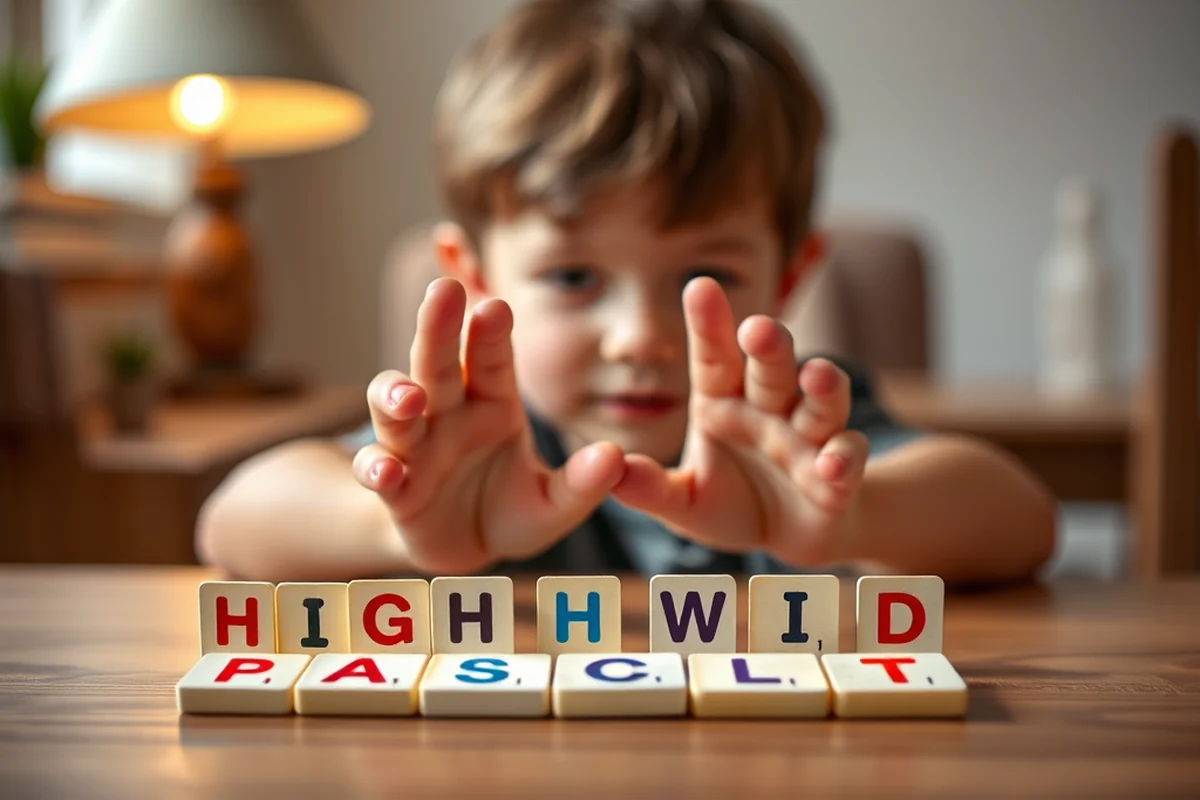
I've found that visual aids are incredibly powerful in sight-word learning. When I started using colorful flashcards and picture books, my son was much more interested in learning the words. He loved matching the words to the pictures and would often point out the words he recognized.
One of the best activities I used was creating a 'word wall' in our living room. I printed out the sight words and pinned them to the wall, and we would read them together every day. My son would point at the words and try to read them, and it became a fun game for him.
The visual aspect helped him remember the words better, and he began to recognize them in other contexts, like on signs and in books. It was a simple but effective way to make sight words more tangible.
A picture is worth a thousand words — and in this case, it's worth a thousand sight words.
Related: Best sight word practice games
Engaging Kids with Hands-On Activities
I've always believed that learning through hands-on activities is more effective for young children. One of my favorite activities was using magnetic letters to build sight words. My son loved arranging the letters and seeing the words come together.
Another activity we did was using playdough to form the letters in each sight word. This helped him understand the shape of the letters and how they fit together to make words. He would often ask to do it again and again, which was a great way to reinforce the words.
These hands-on activities helped him connect the letters to the sounds and the words, making the learning process more engaging and memorable. It wasn't just about memorizing the words — it was about making them part of his everyday life.
Materials like magnetic letters, playdough, or letter tiles can help children form words and reinforce letter recognition.
“I still remember the moment my son sat at the kitchen table, eyes wide with confusion, as I tried to teach him the word 'the'.”— Wordsonsight editors
Related: Diy sight word practice activities games
Incorporating Sight Words into Everyday Life
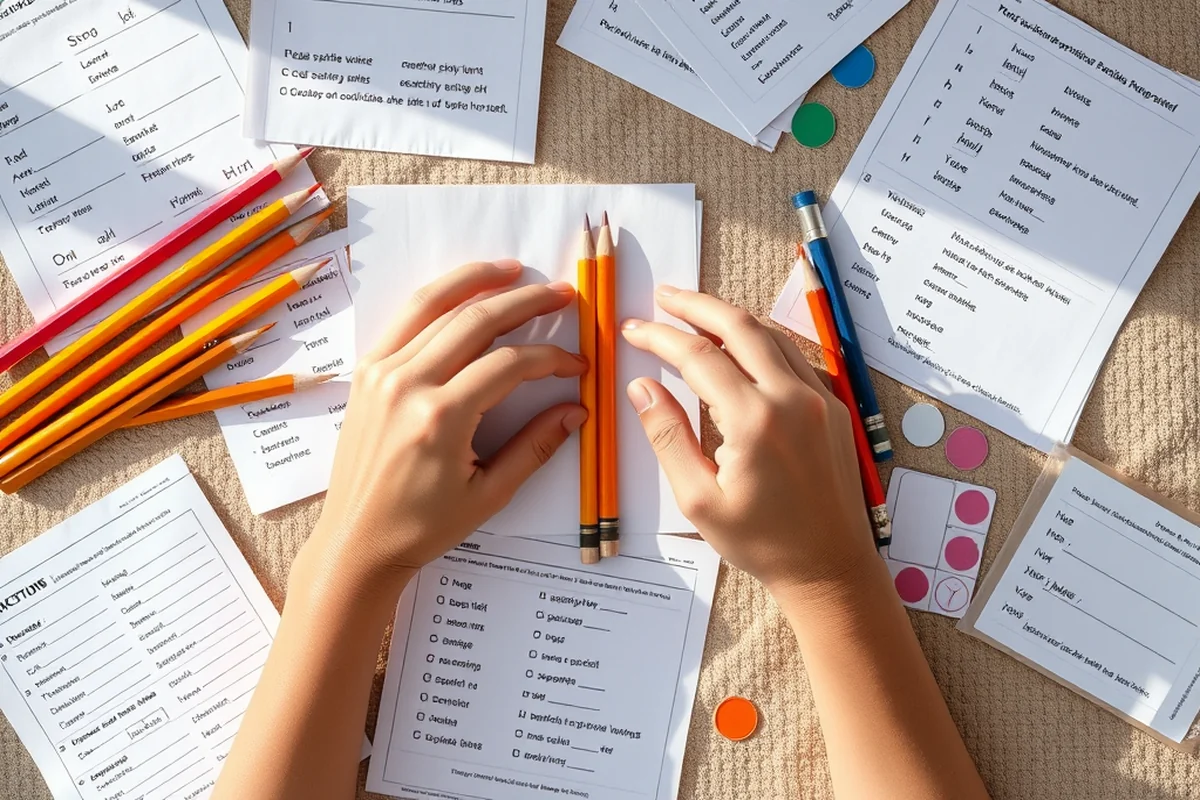
One of the most effective ways to teach sight words is to make them a part of everyday life. I started incorporating sight words into our daily routine by reading them during mealtime, while we were walking, or when we were doing chores.
For example, I would point out the word 'the' on a sign or the word 'and' in a recipe. This helped my son see that these words were all around him and that they had real meaning.
Over time, he began to recognize the words more often, and it became a natural part of his reading. He didn't just learn the words — he started using them in his own speech and writing, which was a huge milestone.
Related: What is word search game
Tracking Progress with Simple Tools
Tracking a child's progress is an essential part of sight-word learning. I've used simple tools like a progress chart to keep track of the words my son had learned and the ones he still needed to work on.
I would mark each word as he mastered it, and it gave me a clear picture of his progress. It also helped him see how much he had learned, which motivated him to keep going.
By using a progress chart, I was able to adjust our activities based on his needs and celebrate his achievements along the way. It made the learning process more structured and rewarding for both of us.
🧱 Preschool Play
Use building blocks or puzzle pieces to spell out sight words and reinforce letter recognition through play.
📖 Interactive Reading
Read picture books and ask your child to find and say the sight words they know as you go through the story.
🧩 No-Prep Sorting Game
Print out sight-word cards and use them for sorting activities — match words to pictures, or group them by beginning letters.
🤝 Group Learning Activity
Create a sight-word scavenger hunt for a group of kids, where they find and say words hidden around the room.
✍️ Sight-Word Extension
Once a child has mastered a set of sight words, challenge them to use the words in their own sentences or stories.
| The mistake | Why it happens | The fix |
|---|---|---|
| Relying too much on flashcards without context. | Flashcards are useful, but without context, children may not understand how to use the words in real life. | Use flashcards in combination with reading, games, and real-life examples to give words meaning. |
| Forcing too many words at once. | Trying to teach too many sight words at once can overwhelm a child and reduce their motivation to learn. | Focus on a small set of words at a time, and gradually introduce new words as the child becomes more confident. |
| Not allowing enough time for practice. | Sight-word learning requires repetition and time, and rushing the process can lead to frustration and poor retention. | Be patient and allow your child enough time to practice and review the words regularly. |
| Ignoring the child's learning style. | Every child learns differently, and ignoring their learning style can make sight-word practice less effective. | Observe your child's learning style and adapt activities to suit their needs, whether they are visual, auditory, or kinesthetic learners. |
Related: How word game
Sight-word Practice Activities Checklist
Related: Affordable sight word practice activities
Integrating Technology for Interactive Learning
I’ve found that using technology, like interactive apps and online games, can dramatically increase engagement during sight-word practice. Tools like ABCmouse and Starfall offer gamified lessons that adapt to a child’s skill level, providing instant feedback and motivation. I’ve seen a noticeable improvement in my students’ retention when they use these apps for 15-20 minutes daily. The colorful animations and interactive elements keep their attention longer than traditional flashcards.
Many of these platforms also allow for progress tracking, which helps both parents and teachers monitor a child’s development. For example, Reading Eggs provides a dashboard that shows how many words a child has mastered, how much time they’ve spent practicing, and where they might need more support. I’ve used this feature to personalize practice sessions, focusing on words that my students struggle with most. It’s a great way to ensure that learning stays targeted and effective.
Incorporating technology also allows for differentiated instruction. Whether a child is learning at a kindergarten or second-grade level, these apps adjust content accordingly. I’ve noticed that students who are more tech-savvy tend to gravitate toward these tools, making them a valuable addition to any sight-word checklist. I recommend starting with one or two apps and rotating them every few weeks to maintain novelty and prevent burnout.
Leveraging Games for Sight-Word Mastery
I've found that incorporating games like sight-word bingo, memory match, and scavenger hunts not only boosts engagement but also enhances retention. When children play, they're less aware they're learning, which can reduce frustration and increase participation. For instance, I once used a sight-word scavenger hunt in my classroom where students had to find and read words hidden around the room, and the result was a noticeable improvement in their recognition speed over a week.
Using dice games or card-based activities also allows for differentiated instruction. I've created a simple sight-word domino game where each domino has a word on one end and a picture on the other, helping visual and kinesthetic learners. This variety of game formats ensures that all learning styles are addressed, and it's easy to adjust the difficulty level by selecting appropriate word lists. Plus, these activities can be done in small groups or individually, making them adaptable to various classroom settings.
Another benefit I've noticed is the social interaction that comes with playing games. When students work together or compete in a friendly manner, they motivate each other to learn and practice more. I've also used digital games like
Common Questions
How often should I review sight words with my child?
What if my child is not interested in the activities?
How long does it take to learn sight words?
Can older kids benefit from sight-word activities?
References
- The co-construction of a reading assessment measure with adults ... (pmc.ncbi.nlm.nih.gov)
- UNITS OF STUDY - East Greenwich, RI (eastgreenwichri.gov)
Cite this guide
Wordsonsight (2026). Sight-word Practice Activities Checklist. https://wordsonsight.com/sight-word-practice-activities-checklist/
Feel free to cite or share this guide.