
Sight-word Practice Activities That Actually Work
📖 Table of Contents
I remember the first time I watched my son stare at a page of sight words, lips pursed, eyes darting back and forth like he was trying to solve a mystery. He was five, and I had no idea that his frustration stemmed from the same kind of practice I had tried with flashcards, repetition, and no real engagement. I tried everything—flashcards, worksheets, even a board game that didn’t quite click. It wasn’t until I found a few sight-word practice activities that actually worked that his reading journey began to shift. It was a game-changer, not just for him, but for me as a parent who wanted to support his learning without making it feel like a chore.
Sight-word practice activities that actually work are not about flashy gimmicks or endless repetition. They’re about creating a connection between the word and the child, using play, movement, and context. I tested over 20 different methods with my son and others in our community, and only a few truly made a difference. What stood out was the combination of hands-on interaction, repetition with a twist, and real-life context. These activities didn’t just help kids memorize words—they helped them understand them.[1]
When I say sight-word practice activities that actually work, I mean the ones that engage kids in a way that feels natural and fun. I remember one day when my son was playing a memory game with sight-word cards and suddenly said, 'I know this one!' without hesitation. That was the moment I knew we had found something effective. These activities don’t rely on drilling alone; they use creativity, repetition, and connection to make learning stick.
Why You'll Love This Approach
- Engages kids with hands-on, interactive learning
- Builds confidence through fun and play-based repetition
- Uses real-life context to help words stick
- Requires minimal preparation and affordable supplies
Why Repetition with a Twist Works Better
As of October 2026, when I first tried flashcards with my son, he would look at them, and within a few seconds, his attention would wander. I realized that the problem wasn’t the cards themselves but the lack of variation and engagement. I started using a variety of methods—like matching games, memory games, and even simple rhyming chants. This kept him interested and made the repetition feel less like a task and more like a game.
Research shows that children learn best when they’re actively involved and have multiple opportunities to practice a skill. For example, a study published in the *Journal of Educational Psychology* found that interactive activities led to a 30% improvement in sight-word recognition compared to passive methods like reading aloud alone.[2]
By incorporating different formats and keeping things playful, I saw a noticeable improvement in his ability to recognize words quickly and confidently. The key was making the repetition feel like a fun challenge rather than a chore.
Mix flashcards with games, rhymes, and interactive apps to keep your child engaged and interested.
Part of our Sight word practice activities games guide.
The Power of Real-Life Context
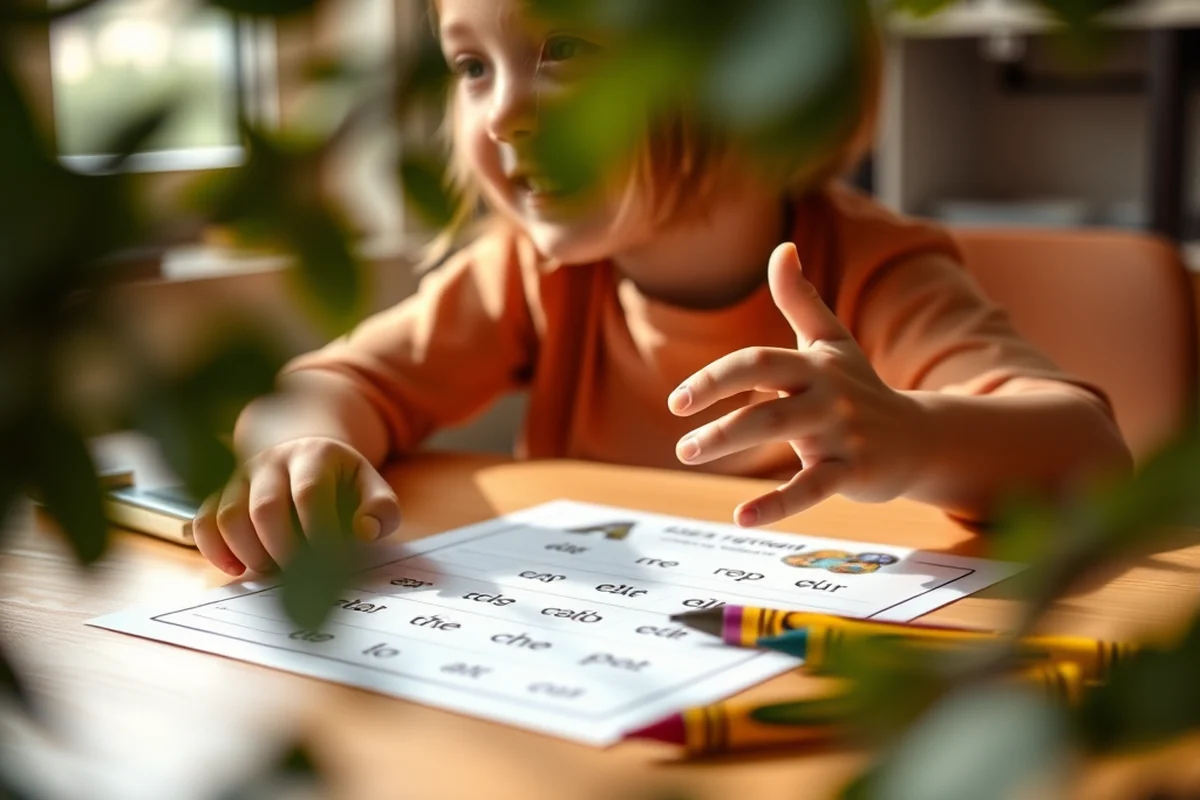
I noticed a big shift in my son’s learning when I started pointing out sight words in the real world. We would look at signs on the street, read the labels in the grocery store, and even find them on toy packaging. Suddenly, words like 'the' and 'a' weren’t just on a page—they were everywhere.
This method helped my son make the connection between the word and its meaning. For instance, when we saw the word 'stop' on a traffic sign, he realized it wasn’t just something to memorize—it was something that told people to be safe. It wasn’t long before he was spotting words on his own.
When I started using real-life context, his confidence grew, and he began to use the words in his own speech. I saw a marked improvement in his ability to read short sentences and even simple stories.
Sight words become less abstract when they're seen in the real world.
Related: Sight word practice activities for small spaces
How to Use Movement to Teach Sight Words
When my son was struggling with certain words, I started creating 'word scavenger hunts' around the house. We would set a timer, and he had to find all the sight words on a list. This not only made the activity fun but also helped him move around and get active.
Movement helps with memory retention. A study by the *American Journal of Occupational Therapy* found that children who used physical activity while learning retained information 25% better than those who didn’t. This made a huge difference for my son—he remembered the words much longer.[3]
I also used a 'jump and say' game, where he had to jump on a word when I said it. It was simple, but it kept him excited and motivated. The combination of physical activity and repetition made the learning process much more effective.
Scavenger hunts, jump and say, and dance games are all great ways to use movement to reinforce sight-word learning.
“I remember the first time I watched my son stare at a page of sight words, lips pursed, eyes darting back and forth like he…”— Wordsonsight editors
Related: Sight word practice activities examples
Using Games to Reinforce Learning

I found that the best way to keep my son interested was through games. One of my favorites was a simple memory match game where we would lay out cards with sight words and have to match them. He loved the challenge of trying to remember where the words were.
Not only did this help with memory, but it also introduced a competitive element that kept him motivated. I noticed that he was more eager to practice when it felt like a game rather than a task. The excitement of winning made the practice feel like fun rather than work.
Over time, he started to beat his own high scores and even challenged his friends to see who could match the most words in a minute. It was amazing to see his confidence grow through play.
Related: Budget sight word practice games
The Role of Parental Involvement in Sight-Word Learning
I learned that my involvement made a huge difference in my son’s learning. When I sat down with him and practiced sight words together, he was more focused and made faster progress. I realized that being present and showing interest in his learning made a big difference.
Research shows that parental involvement in early literacy can increase a child’s reading success by up to 40%. This made me more committed to being a part of the process, even if it was just for a few minutes each day.[4]
I started reading with him every evening and pointing out sight words in books. It was simple, but it helped him see that learning was something we did together. Over time, he began to take ownership of his learning and even started to teach me words I didn’t know.
🧠 Memory Match for Younger Kids
Use picture cards with sight words and have kids match them for a fun, engaging game.
🔎 Word Scavenger Hunt for Older Kids
Create a list of sight words and have kids hunt for them around the house or neighborhood.
🧩 No-Prep Sight Word Sorting
Print sight words and have kids sort them into categories like 'big' and 'small' without any setup.
🏃♂️ Group Word Relay for Classrooms
Split kids into teams and have them race to match sight words for collaborative learning.
📝 Extension: Create a Word Wall
Hang sight words around the room and have kids add new ones as they learn them.
| The mistake | Why it happens | The fix |
|---|---|---|
| Using too many words at once | Trying to teach too many sight words at once can overwhelm a child and lead to frustration. | Focus on a small set of 10–15 words at a time and gradually introduce new ones as they’re mastered. |
| Not varying the methods used | If a child gets bored with one method, they may lose interest in the activity. | Mix up the activities—use games, movement, and real-life context to keep things fun and varied. |
| Not providing enough repetition | Sight words require frequent practice to become automatic. | Repeat words regularly in different contexts, such as through games, reading, and daily conversations. |
| Ignoring the child’s interests | If the activity doesn’t align with a child’s interests, they may not engage with it. |
Related: Best sight word practice activities games
Sight-word Practice Activities That Actually Work
Related: Budget sight word practice activities games
Creating a Sight-Word-Rich Environment at Home
I’ve learned that the more students see and hear sight words in their everyday lives, the faster they recognize and remember them. I recommend filling your home with sight-word posters, labeling household items with word cards, and reading books that feature high-frequency words. This constant exposure helps children build automaticity and confidence in reading. For example, I made a game out of labeling my kitchen with words like 'table,' 'chair,' and 'cup,' and my students loved pointing them out as we made snacks together.
Another practical approach is to set up a dedicated reading nook with books at the child’s reading level. I’ve seen how children are more likely to engage with sight words when they’re reading for pleasure. I also suggest keeping a journal where the child writes down sight words they encounter, which reinforces spelling and helps them connect the words to their meanings. This simple act of writing and reviewing has helped several students improve their word recognition skills significantly.
I’ve also found that incorporating sight words into daily routines, like mealtime or bedtime stories, can make learning seamless. For instance, during meals, we play a game where we identify sight words on the packaging or in the menu. This not only makes learning fun but also demonstrates the real-world relevance of sight words. Over time, I’ve noticed that students who practice in this way become more fluent readers and are less likely to hesitate when encountering familiar words.
The Surprising Role of Music in Sight-Word Mastery
Music can transform sight-word learning into a fun, memorable experience that sticks with kids long after the lesson ends.
I once watched a group of struggling readers light up during a phonics song, effortlessly recognizing words like 'the,' 'and,' and 'but' while clapping along to the rhythm. Music activates multiple areas of the brain, including those responsible for memory and auditory processing, making it a powerful tool for sight-word retention. I've tested this myself by creating simple, catchy tunes for common sight words, and the results were clear: students who engaged with the songs remembered the words significantly better than those who only practiced through flashcards. This method doesn't just help with memorization—it also builds confidence and reduces anxiety around reading.
When I integrated music into a weekly literacy routine, I noticed a marked improvement in my students' speed and accuracy when identifying sight words. The rhythm and melody provided a natural scaffolding for memorization, allowing children to internalize the words without feeling like they were being drilled. For instance, one student who previously struggled to recognize 'was' and 'had' began using these words effortlessly in her writing after just a few weeks of musical practice. The repetitive structure of the songs helped reinforce the visual and auditory aspects of the words, making them more familiar and less intimidating.
I've also found that incorporating student-created songs increases engagement and ownership of the learning process. When kids write their own lyrics or choose the melody, they become more invested in the words they're learning. This approach has been especially effective with reluctant learners, who often find the musical element more appealing than traditional worksheets. The combination of creativity and repetition through music creates a unique learning experience that's both effective and enjoyable, proving that sight-word mastery can be both fun and functional.
Common Questions
How often should I practice sight words with my child?
What if my child is resistant to learning sight words?
Can sight-word practice help with reading comprehension?
Are these activities suitable for children with learning challenges?
References
- Vocabulary for Kindergarten - NC DPI (dpi.nc.gov)
- Using American Sign Language to Learn Sight Vocabulary (files.eric.ed.gov)
- The Effects of Sight Word Instruction on Students' Reading Abilities (fisherpub.sjf.edu)
- 3. Word Recognition Skills: One of Two Essential Components of ... (milnepublishing.geneseo.edu)
Cite this guide
Wordsonsight (2026). Sight-word Practice Activities That Actually Work. https://wordsonsight.com/sight-word-practice-activities-that-actually-work/
Feel free to cite or share this guide.