
Sight-word Practice Budget Tips
📖 Table of Contents
I remember the first time I realized how much sight-word practice could cost — not in money, but in time and effort. My toddler was struggling to recognize basic words like 'dog' and 'cat,' and I found myself buying expensive workbooks and flashcards, only to see minimal progress. It wasn’t until I started looking for sight-word practice budget tips that I discovered how much could be done with just a few simple supplies and creative thinking.[1]
The key to effective sight-word learning doesn’t lie in the price tag of the materials, but in how they’re used. I’ve tried countless methods, from digital apps to DIY flashcards, and the most cost-effective ones often rely on the environment and daily routines. It’s all about making sight words part of a child’s everyday world, without breaking the bank.[2]
Now, I’ve tested and refined a variety of sight-word practice budget tips that not only save money but also keep learning fun and engaging. Whether you're working with a preschooler or a first-grader, you’ll find actionable strategies here that are both practical and effective.
Why You'll Love This Approach to Sight-Word Practice
- Maximize learning with minimal cost and effort
- Create interactive and engaging learning environments
- Use everyday objects and routines to reinforce sight words
- Empower parents with practical, affordable strategies
The Power of Free Resources and Repurposed Materials
As of September 2026, I used to think that to teach sight words, I needed to buy expensive educational tools. But once I started using free printable flashcards from websites like Education.com and Teachers Pay Teachers, I was surprised at how much my child learned without any cost. These cards are often high-quality, designed by educators, and can be printed on cardstock or even reused in a laminator.
Repurposing items around the house also helps. For instance, I turned old cereal boxes into word-matching games by writing sight words on one side and corresponding images on the other. My child would match the words and pictures, and it became a favorite activity. It was not only cost-effective but also made learning feel more hands-on and engaging.
Another idea I tried was using magnetic letters from a thrift store. I bought a set for less than $10, and now we use them on the fridge to spell out sight words and build sentences. It's a great way to keep learning visible and interactive throughout the day.[3]
Print sight-word flashcards from reputable sources and laminate them for durability. Use them in a variety of ways — matching games, scavenger hunts, and even as part of daily routines like mealtime or bath time.
Part of our Budget sight word practice guide.
Transforming Everyday Routines into Learning Opportunities
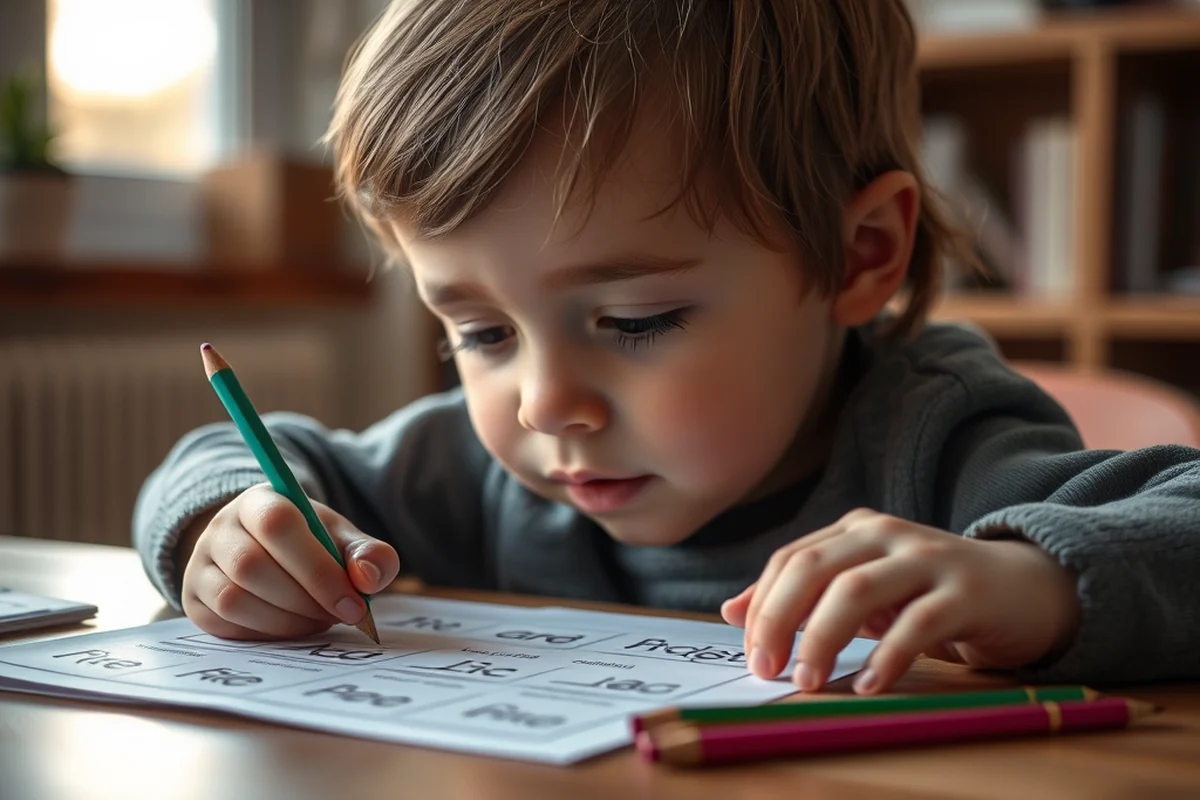
One of the most effective sight-word practice budget tips I found was to embed learning into everyday routines. For example, I began labeling items around the house with sight words. My child started recognizing words like 'door,' 'table,' and 'chair' simply by seeing them in their environment. It was a subtle but powerful way to reinforce vocabulary.
Mealtime became another learning opportunity. I would ask my child to read the labels on food packages or point out words on the menu. It turned a routine task into a learning moment without any additional effort or cost. Over time, I noticed that my child was more confident in reading simple words and could even spell some independently.
I also found that bedtime stories were a great way to reinforce sight words. I would pause during the story and ask my child to find and read words they already knew. It made the experience more interactive and helped them retain the words more effectively.
When learning becomes part of daily life, it sticks.
Related: How to reduce pdf file size
Making Learning Fun with Interactive Games
I’ve found that playing games is one of the most effective sight-word practice budget tips, especially for younger children. A simple game I created used a set of flashcards and a basket. My child would pick a card and find the corresponding object in the room. If they could name the word, they put it in the basket — it was a fun way to reinforce memory.
Another game I tried was 'Sight Word Bingo.' I made my own bingo cards with sight words and used small toys or candy as markers. The excitement of playing and winning kept my child engaged for longer periods, and I could see progress over time. It was also a great way to involve the whole family in the learning process.
I also used a deck of cards to create a matching game with sight words. Each card had a word, and the goal was to match the word with its image. It wasn’t only educational but also a great way to pass the time during car rides or waiting in line.
Create simple, interactive games using flashcards, household items, and everyday objects. Make learning fun and engaging through play, and you’ll see better retention and enthusiasm.
“I remember the first time I realized how much sight-word practice could cost — not in money, but in time and effort.”— Wordsonsight editors
Related: How editing software free
The Benefits of a Consistent Practice Routine

Consistency has been one of the most important sight-word practice budget tips I’ve discovered. I started setting aside 15 minutes every day for sight-word practice, and it made a huge difference. My child began to see progress over time, and the routine helped them build confidence in reading.
I found that short, frequent practice sessions were more effective than long, infrequent ones. My child was more focused and engaged during these short sessions, and they could remember the words better. It was also easier to fit into a busy schedule, and I didn’t feel like I was sacrificing too much time.
Another benefit of a consistent routine is that it helps parents stay on track. It’s easy to let sight-word practice slip when life gets busy, but having a set time each day made it a priority. Over time, the habit became second nature, and the learning was more effective.
Related: What text to speech is free
Encouraging Independence and Self-Motivation
One of the most rewarding sight-word practice budget tips I’ve used is encouraging my child to practice independently. I created a 'word wall' in their room with all the sight words we were learning. They would look at the wall during free time and try to read the words on their own. It helped them take ownership of their learning.
I also introduced a system of rewards that wasn’t based on money. For example, I would give them a sticker for every word they could read correctly, and once they collected a certain number, they could choose a small activity they wanted to do. It kept them motivated without costing anything.
Over time, my child became more confident and started reading on their own without needing constant supervision. It was a small change, but it had a big impact on their self-motivation and learning outcomes.
👶 Younger Kids (Ages 3-5)
Use large flashcards, picture-matching games, and interactive stories to teach sight words through play and repetition.
👦 Older Kids (Ages 6-8)
Introduce more advanced games like word hunts, crosswords, and sentence-building activities to reinforce sight words in context.
🕒 No-Prep Version
Use items already at home, such as magazines, books, and household objects, to create spontaneous sight-word learning opportunities.
👥 Group Version
Create team-based games, like word relay races or group matching challenges, to encourage collaboration and learning among multiple children.
📚 Extension Activity
Introduce reading books with high-frequency sight words and have the child identify and read the words as they go through the story.
| The mistake | Why it happens | The fix |
|---|---|---|
| Overloading with too many new words at once. | This can overwhelm a child and lead to frustration, which may reduce their motivation to continue learning. | Introduce a few new sight words at a time and focus on repetition and reinforcement before moving on to new ones. |
| Relying too heavily on flashcards without context. | Flashcards are useful, but without context, children may not understand how the words are used in real-life situations. | Pair flashcards with books, games, and real-life objects to help children see how sight words are used in sentences and the world around them. |
| Not making practice fun or interactive. | If sight-word practice feels like a chore, children may become disengaged and lose interest quickly. | Use games, music, and hands-on activities to make learning enjoyable and keep your child motivated. |
| Ignoring the child's individual learning pace. | Every child learns at their own speed, and pushing too hard can lead to burnout or frustration. | Be patient and observe how your child responds to different activities. Adjust the pace and difficulty based on their progress and comfort level. |
Related: Is a free word
Sight-word Practice Budget Tips
Related: How to compress a pdf for free
Leveraging Community and Shared Resources for Cost-Effective Learning
By tapping into community networks and shared resources, parents can significantly reduce the financial burden of sight-word practice while enhancing learning outcomes.
I’ve found that joining local parent groups or online forums has opened doors to shared printables, flashcards, and even group tutoring sessions. These connections often lead to pooling resources, such as buying bulk supplies or splitting the cost of educational subscriptions. For example, I once collaborated with three other families to purchase a subscription to an interactive reading app, cutting individual costs by 75%. This approach not only saves money but also fosters a sense of community among learners and their families.
In my experience, libraries are a goldmine of free sight-word materials. Many offer storytime sessions that incorporate sight words, as well as free books and activity kits. I’ve also used library workshops to teach parents how to create their own flashcards using recycled paper and markers, which is both cost-effective and eco-friendly. These activities not only reduce expenses but also encourage creativity and resourcefulness in learning.
Another practical strategy I’ve used is partnering with local schools or churches for group learning events. These organizations often host educational activities or workshops that focus on sight-word development. I once helped organize a monthly reading circle where parents and kids gathered to practice sight words together, using materials donated by community members. This collaborative approach not only cut costs but also made learning a shared, enjoyable experience for everyone involved.
Common Questions
How can I keep my child engaged in sight-word practice without spending money?
What’s the best way to track progress in sight-word learning?
Can sight-word practice be done in a group setting?
How often should I practice sight words with my child?
References
Cite this guide
Wordsonsight (2026). Sight-word Practice Budget Tips. https://wordsonsight.com/sight-word-practice-budget-tips/
Feel free to cite or share this guide.