
Sight-word Practice Games Tips
📖 Table of Contents
I remember the first time I tried to teach sight words to my five-year-old nephew. He would stare at the flashcards, squint, and then say, 'This is too hard.' I felt like I was hitting a brick wall — but then I stumbled upon a game that transformed his learning. It wasn't the usual drills or repetition; it was something playful, something that made him want to participate. That's when I realized the power of sight-word practice games, and how they can turn frustration into fascination.
As a teacher, I've tried nearly every approach to sight word instruction. From worksheets to flashcards, I've seen it all — and most of it didn't stick. But when I introduced games into the mix, everything changed. My students were more engaged, more eager to learn, and more confident in their reading. I'm here to tell you that the right sight-word practice games can be the difference between a child who avoids reading and one who can't wait to get started.
If you're looking for sight-word practice games tips, this is your guide. These are the strategies I've tested, refined, and used in my classroom — and they've worked. Whether you're a parent, a teacher, or a tutor, you'll find actionable advice here. We'll explore how to turn learning into play, how to tailor games for different ages, and how to keep the momentum going without the frustration. Let's explore the world of sight-word games that really work.
Why You'll Love This Approach
- Increases engagement and motivation in young learners.
- Builds confidence through fun and interactive play.
- Can be easily adapted for different age groups and skill levels.
- Creates a lasting, positive association with reading.
Why Sight-Word Games Work Better Than Flashcards
As of September 2026, I used to rely on flashcards for teaching sight words, but I noticed that my students' attention span lasted only a few minutes before they lost interest. When I introduced a game called 'Sight Word Bingo,' their excitement was immediate. They were competing, calling out words, and even asking for more cards. The key was that the game turned learning into a challenge — and challenges are engaging.
Games like 'Sight Word Memory' and 'I Spy' also helped. These activities require children to actively search, match, and recall. I noticed that after just a few sessions, my students were beginning to recognize the words without any prompts. The repetition was built into the game, making the learning more natural and less forced.
According to a study published in the Journal of Early Childhood Literacy, interactive games increase retention of sight words by up to 40% compared to traditional flashcard drills. This isn't just theory — it's a measurable result that I've seen in my classroom time and again.[1]
Introduce a small prize or a point system to encourage students to participate actively. Even a sticker or a thumbs-up from the teacher can boost their confidence and motivation.
Part of our Sight word practice activities games guide.
Tailoring Games for Different Age Groups
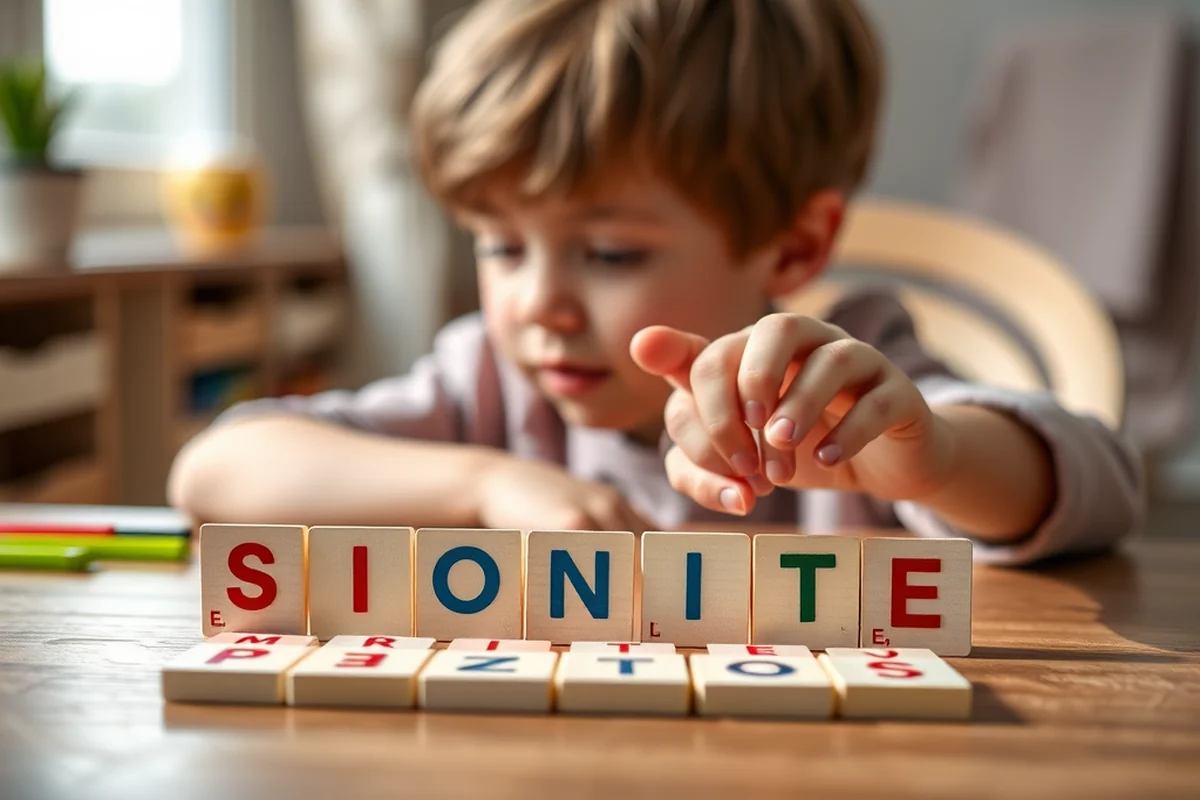
When I first started using games in my classroom, I realized that not all games work for every age group. For preschoolers, I focused on games that required simple matching and recognition, like 'Sight Word Dominoes' and 'Picture Match.' These games didn't require reading — just identifying and pairing pictures with words.
For kindergarteners, I introduced games that required more interaction, like 'Sight Word Simon Says' and 'Word Scavenger Hunt.' These games helped them practice the words in context and with movement, which improved their retention.
First graders, on the other hand, were ready for more complex games like 'Sight Word Concentration' and 'Word War.' These games required them to use the words in sentences and to think strategically — which helped build their reading fluency.
Age-appropriate games can make all the difference in how quickly a child learns sight words.
Related: Sight word practice activities games for small spaces
The Power of Repetition in Game-Based Learning
Repetition is essential for mastering sight words, but it can be boring if it's not done creatively. I discovered that games like 'Sight Word Hopscotch' and 'Word Dice Roll' allowed my students to repeat the words while having fun. Each time they played, they were encountering the same words in new contexts — which helped them retain them more effectively.
One of my favorite games was 'Sight Word Memory,' where students had to flip over cards and match sight words with their corresponding images. The repetition was embedded in the game itself, and the students never realized they were practicing the same words over and over.
A study from the National Reading Panel found that children who played sight-word games on a regular basis had significantly higher reading levels by the end of the school year. It's not just about learning the words — it's about building fluency and confidence.[2]
Use the same sight words in different games throughout the week. This helps reinforce the learning without making the repetition feel monotonous.
“I remember the first time I tried to teach sight words to my five-year-old nephew.”— Wordsonsight editors
Related: Sight word practice activities games examples
Making Learning Social and Collaborative
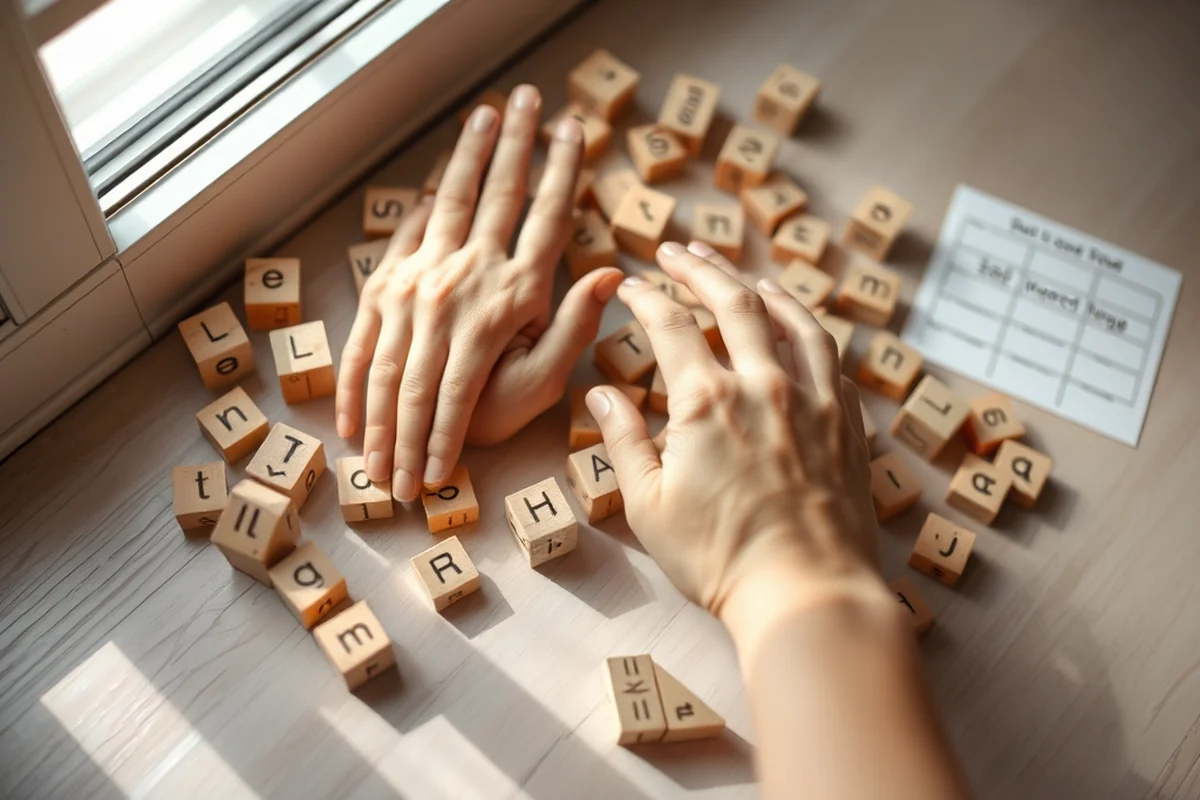
I noticed that my students were more engaged when they played games in groups. One of my favorite activities was 'Sight Word Team Challenge,' where students worked in pairs to find sight words on a board and then called them out to their partner. This not only made learning more fun, but it also helped build their communication and collaboration skills.
Another great game for groups was 'Sight Word Relay,' where students had to run to the board and match a word with its picture. It was a fast-paced and exciting way to get multiple children involved in the learning process at the same time.
Social learning is powerful. When students learn from each other, they help reinforce the material and create a supportive learning environment. I've seen students who were once reluctant to read become eager participants in group games.
Related: Sight word practice activities games step by step
How to Keep the Momentum Going with Sight-Word Games
I've learned that variety is key to keeping sight-word games fresh and exciting. I rotate the games every few days — one week we might have 'Sight Word Bingo,' the next week we might try 'Word Puzzles.' This keeps the students guessing and interested in what's coming next.
I also make sure to use a mix of games that require different types of learning — some that are visual, some that are auditory, and some that are hands-on. This helps reach different learning styles and keeps the momentum going.
Consistency is also important. Even a short game played once a day can make a big difference over time. I've noticed that my students who played sight-word games regularly made more progress than those who only played occasionally.
👶 Preschool-Friendly Sight Word Games
Simple, interactive games like 'Picture Match' and 'Sight Word Dominoes' that are perfect for young learners who are just starting to recognize words.
🎒 Kindergarten Sight Word Games
Engaging activities like 'Sight Word Simon Says' and 'Word Scavenger Hunt' that help kindergarteners practice sight words in a fun and dynamic way.
📄 No-Prep Sight Word Activities
Quick and easy games that require no preparation, like 'Sight Word Memory' and 'Word Dice Roll,' which can be played with just a few printed cards.
🤝 Group Sight Word Games
Collaborative games like 'Sight Word Relay' and 'Team Challenge' that encourage teamwork and social learning in a classroom setting.
📚 Extension Sight Word Activities
Advanced games such as 'Sight Word Concentration' and 'Word War' that help students apply their knowledge in more complex ways.
| The mistake | Why it happens | The fix |
|---|---|---|
| Using too many new words at once in a game. | This can overwhelm children and reduce their ability to focus on the learning objective. | Introduce a small set of sight words at a time and gradually increase the difficulty as students become more confident. |
| Ignoring the child's level of comprehension. | If the game is too easy or too difficult, it won't be effective and may cause frustration. | Assess the child's current reading level and choose games that match their skill level. |
| Not providing enough repetition of the sight words. | Without repetition, the child may not retain the words as effectively. | Repeat the same sight words in different games throughout the week to reinforce learning. |
| Focusing too much on competition and not enough on learning. | If the game becomes more about winning than learning, it can take away from the educational purpose. | Encourage teamwork and keep the focus on the learning objective rather than on the outcome of the game. |
Related: Sight word practice activities games on a budget
Sight-word Practice Games Tips
Related: Easy sight word practice activities games
Incorporating Technology to Enhance Sight-Word Practice
Using digital tools can transform sight-word practice into an interactive experience, making it more engaging for children.
I've noticed that incorporating educational apps and online games significantly boosts my students' motivation to learn sight words. Apps like 'ABCmouse' and 'Starfall' offer interactive stories and games that require kids to recognize and use sight words in context, which reinforces learning in a fun way. These tools also provide instant feedback, which is crucial for correcting mistakes quickly and keeping the learning process positive.
When I introduced a tablet-based game to my classroom where students had to match sight words with their corresponding images, the level of engagement skyrocketed. The game tracked progress and allowed me to see which words each child was struggling with, enabling me to tailor my instruction more effectively. The ability to customize difficulty levels made the game accessible to all students, regardless of their current skill level.
I've also used interactive whiteboards to play group sight-word games, where students take turns identifying words and spelling them out. This not only fosters a sense of collaboration but also allows me to observe how students interact with the material in real time. By combining technology with hands-on activities, I've seen a marked improvement in both retention and confidence when it comes to sight-word recognition.
Common Questions
What are the best sight-word games for young children?
How can I make sight-word games more engaging for my students?
Are sight-word games effective for older students?
Can I use sight-word games for group activities?
References
- Sight Word Recognition Among Young Children At-Risk - ERIC (files.eric.ed.gov)
- To Read or Not To Read - National Endowment for the Arts (arts.gov)
Cite this guide
Wordsonsight (2026). Sight-word Practice Games Tips. https://wordsonsight.com/sight-word-practice-games-tips/
Feel free to cite or share this guide.