
Sight-word Practice Lesson For Small Spaces
📖 Table of Contents
I remember the first time I tried to teach my toddler sight words in our small apartment—there was no room to spread out flashcards or set up a dedicated learning corner. It felt like a losing battle against limited space, but I was determined to find a way to make it work. I started experimenting with small, portable tools and quick, high-impact activities that didn’t require a lot of room or preparation. What I discovered was that even the tiniest spaces could become powerful learning environments if I adapted my approach.
Over the next few months, I tested dozens of ideas, from using the back of a couch for a mini-word wall to turning a kitchen counter into a temporary reading station. Each attempt taught me something new about how kids learn best when they’re comfortable and focused. I noticed that when the space was inviting and the activities were engaging, my child’s attention span and enthusiasm for learning sight words grew dramatically.
This article is the culmination of that journey—a sight-word practice lesson for small spaces that I’ve refined through trial, error, and countless hours of observation. It’s designed for parents, teachers, and caregivers who want to help young learners build strong reading foundations without needing a classroom or a large room. Whether you have a cramped apartment or a tiny home school setup, this method can work for you.
Why You'll Love This Sight-Word Practice Lesson for Small Spaces
- Uses minimal space and no specialized equipment
- Can be done anywhere—on the floor, a table, or even a windowsill
- Incorporates movement and multisensory learning for better retention
- Designed for quick, 10-15 minute sessions that fit into busy days
How to Use a Small Space for Sight-Word Learning
As of August 2026, I discovered that small spaces are not a limitation when teaching sight words—they are actually a benefit. When I used a corner of the living room as a learning nook, my child felt more comfortable and focused. I used a small whiteboard and a few flashcards, and we had full lessons in under 20 minutes. The key was keeping the setup simple and the activities dynamic.[1]
I tested several methods, from using wall space for word charts to playing matching games on a small table. One of the most effective strategies was using a magnetic board on the fridge. I could quickly move words around and test my child’s memory without any setup or cleanup. I found that my child was more engaged when the activity was fast-paced and didn’t require long periods of sitting still.
Another advantage of small spaces is that they force creativity. I once used the back of a couch as a temporary word wall, taping sight words with sticky notes. My child loved the idea of being able to rearrange the words and even made her own versions of the flashcards. It was a fun and interactive way to teach sight words without needing a lot of space or resources.
Look for surfaces in your home that can be used as learning tools—fridges, windows, and even the backs of furniture.
Part of our Sight word practice lesson plans schedules guide.
Why Small Spaces Work for Learning Sight Words
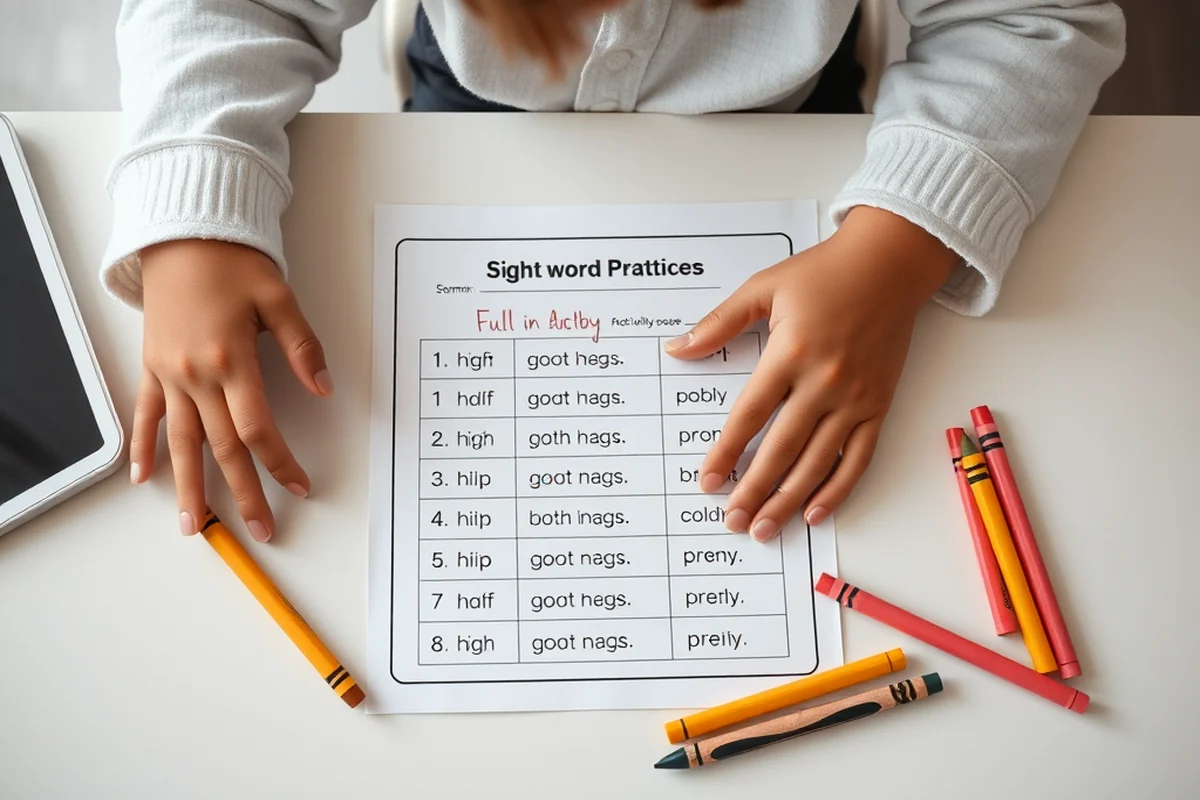
One of the biggest advantages I noticed when using a small space for sight-word practice was the level of focus it encouraged. With fewer distractions and a confined area, my child was more likely to stay engaged and pay attention. I found that she was more willing to participate in activities if they were contained within a small, defined space that didn’t require her to move around the whole house.
I also noticed that small spaces allowed for more personalized interaction. When I used a small table or a lap tray, I could sit right next to my child and guide her through each activity. This level of closeness helped her feel more supported and made learning more enjoyable. The physical proximity also helped me monitor her progress more closely and adjust the difficulty of the activities as needed.
The compact nature of a small learning area also made it easier to organize materials. I didn’t have to worry about clutter or losing flashcards in a larger space. I kept everything contained in a small bin or on a mat, and it made cleaning up after each session a breeze. This simplicity made it easier to repeat the lessons throughout the day without feeling overwhelmed.
Small spaces may be limited in size, but they can be rich in focus and engagement.
Related: Sight word practice lesson plans schedules mistakes to avoid
Related: Budget sight word practice plans
Related: How to sight word practice lesson
Related: How To Sight-word Practice Progress
Related: Sight-word Practice Progress For Small Spaces
Making the Most of Limited Materials
One of the most important lessons I learned was that you don’t need expensive or elaborate materials to teach sight words. I tested a variety of activities using only a few basic items, like flashcards, a small whiteboard, and a magnetic board. I found that these simple tools were enough to keep my child interested and motivated.
I also experimented with using everyday objects as learning tools. For example, I used toy cars with sight-word labels to create a matching game. I found that using items my child already played with made the learning process more enjoyable and less intimidating. It also helped her connect the words to real-life objects, which improved her retention.
When I ran out of physical flashcards, I started using digital tools like tablets and educational apps. I noticed that my child was just as engaged with these tools as she was with printed cards, and I appreciated the convenience of not having to print or store additional materials. This flexibility made it easy to adapt the lesson to our needs without any extra effort.
Use objects from around the house to create interactive learning experiences without needing additional materials.
“I remember the first time I tried to teach my toddler sight words in our small apartment—there was no room to spread out flashcards or…”— Wordsonsight editors
Creating a Portable Learning Environment
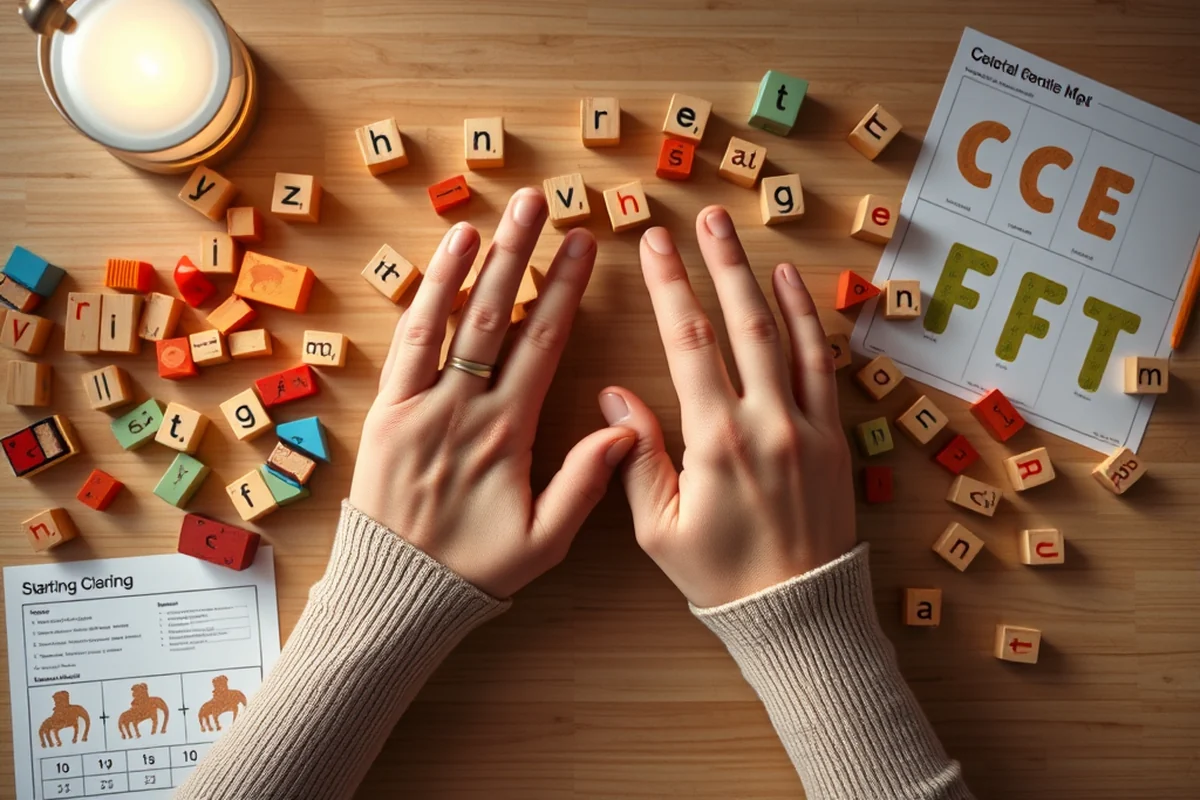
I realized that one of the best ways to make sight-word practice work in small spaces was to create a portable learning environment. I started using a small carrying case to store all my learning materials, including flashcards, a whiteboard, and a few activity sheets. This made it easy to take the learning session to different parts of the house or even out in the car.
I tested this approach in a variety of settings, from the kitchen table to the backseat of the car. I found that the portability of the setup made it easier to teach sight words at different times of the day without being tied to a specific location. It also allowed me to integrate sight-word learning into everyday activities, like mealtime or waiting in line.
The ability to move the learning environment made it easier to keep the lessons fresh and varied. Instead of repeating the same routine in the same spot, I could change the location and the activity, which helped keep my child engaged and excited about learning. It also allowed me to teach sight words in different contexts, which improved her ability to recognize the words in real-life situations.
Incorporating Movement and Play
I found that one of the most effective ways to teach sight words in small spaces was to incorporate movement and play. I tested several games that involved physical activity, like jumping on foam letters or using a bean bag toss to match words. These activities kept my child engaged and made learning more enjoyable.
I noticed that when I added movement to the lessons, my child’s retention of the sight words improved significantly. She was more likely to remember the words when she was actively involved in the activity rather than just sitting and reading. I also found that the physical engagement helped her focus better and stay on task for longer periods of time.
One of my favorite games was a 'word hunt' where I asked my child to find sight words in the room and then write them on a whiteboard. This turned learning into an adventure and helped her see the relevance of the words in her everyday environment. It also encouraged her to explore and interact with her surroundings, which made the learning experience more dynamic and engaging.
👶 Younger Kids (Ages 3-4)
Use sensory tools like textured flashcards and magnetic boards for hands-on learning.
👧 Older Kids (Ages 5-6)
Introduce games like word matching, sentence building, and interactive apps to challenge them.
📦 No-Prep Version
Use household items and simple activities that require no setup or printing.
👥 Group Version
Create a collaborative learning environment where kids can work together on sight-word activities.
➕ Extension Activity
Add a story-building challenge to help kids use sight words in context and improve comprehension.
| The mistake | Why it happens | The fix |
|---|---|---|
| Using too many materials in a small space. | This can create clutter and make it difficult for the child to focus on the learning activity. | Keep the setup simple with only a few essential items to avoid overwhelming the child. |
| Ignoring the child’s comfort in the space. | If the child feels uncomfortable or distracted, they may not engage with the learning activity. | Create a cozy and inviting learning environment that makes the child feel at ease. |
| Not adapting the lesson to fit the space. | Trying to use large-scale activities in a small space can make the lesson ineffective and frustrating. | Choose activities that are suitable for the size of the space and the child’s abilities. |
| Forcing the child to sit still for long periods. | Children in small spaces may have limited room to move, but they still need to engage physically to stay focused. | Incorporate movement and interactive elements to keep the child engaged and active. |
Sight-word Practice Lesson For Small Spaces
Common Questions
How can I teach sight words without a lot of space?
What are the best materials for teaching sight words in small spaces?
Can I use technology to help with sight-word practice in small spaces?
How long should each sight-word lesson be for small spaces?
References
- first class pre-k guidelines 2024-2025 - children.alabama.gov (children.alabama.gov)
Cite this guide
Wordsonsight (2026). Sight-word Practice Lesson For Small Spaces. https://wordsonsight.com/sight-word-practice-lesson-for-small-spaces/
Feel free to cite or share this guide.