
Simple Sight-word Practice Printables
📖 Table of Contents
- How to Create a Simple Sight-Word Matching Game
- Why Sight Words Are a Foundation for Reading
- How to Adapt Sight-Word Activities for Different Learning Styles
- How to Use Sight-Word Practice Printables in the Classroom
- Why Consistency Matters in Sight-Word Practice
- Make It Your Way
- Frequently Asked Questions
When my daughter was four, I found myself staring at a list of sight words that had no real context—just a page of 'the,' 'and,' and 'was' repeated over and over. I realized then that repetition without meaning was not the way to go. That’s when I started creating simple sight-word practice printables, tailored to her interests and learning style. These weren’t just flashcards; they were storyboards, puzzles, and games that made sight words stick. My daughter didn’t just memorize them—she used them to read her favorite books, write her name, and even start making up her own stories.
I learned the hard way that the best sight-word practice printables aren’t the ones with the most elaborate designs or the most expensive materials. They’re the ones that keep kids engaged, that connect words to real life, and that don’t require hours of prep time. The printable I created with her favorite cartoon characters and a simple matching game became a favorite during our daily reading sessions. It wasn’t perfect, but it worked. And it worked because it was simple—simple enough for her to understand, and simple enough for me to reproduce again and again.
Over time, I noticed that other parents were struggling with the same problem: finding sight-word practice that was both effective and easy to use. So I started sharing my printables with friends, then with online communities, and eventually with teachers. The response was overwhelming. Educators and parents alike were looking for simple sight-word practice printables that could be used in the classroom or at home without a lot of fuss. That’s how this article came to be—a collection of real, tested strategies and templates that have helped hundreds of kids build a solid foundation in reading.
Why You'll Love This Sight-Word Practice Approach
- No need for expensive materials—just a printer and a child's imagination.
- Activities are designed to be engaging, interactive, and repeatable.
- Perfect for children aged 3-6, aligning with key early literacy milestones.
- Free and customizable templates that can be adapted to your child's interests.
How to Create a Simple Sight-Word Matching Game
As of August 2026, I created a matching game using a set of 15 sight words and 15 corresponding images. The words I chose were the ones my daughter was working on in her preschool class—words like 'the,' 'a,' 'dog,' and 'cat.' I printed each word on one card and each image on another. My daughter loved turning the cards over and trying to find the right match. It was like a scavenger hunt, and the best part was that she kept playing over and over again.[1]
The game didn’t require any special materials. I used cardstock paper and a basic printer, and the activity lasted for weeks. I noticed that my daughter started recognizing the words faster, and she even began using them in her own stories. One day, she said, 'I saw a cat and a dog!' and pointed to the corresponding cards. That was a real win.
To make the game more engaging, I added a timer and made it a race against the clock. My daughter challenged herself to beat her previous time, and the progress was clear. She was not only learning the words but also developing a sense of accomplishment and confidence in her reading.
Use movable pieces or magnets to add a tactile element. This helps kinesthetic learners connect the words with their meanings.
Part of our Sight word practice printables worksheets guide.
Why Sight Words Are a Foundation for Reading
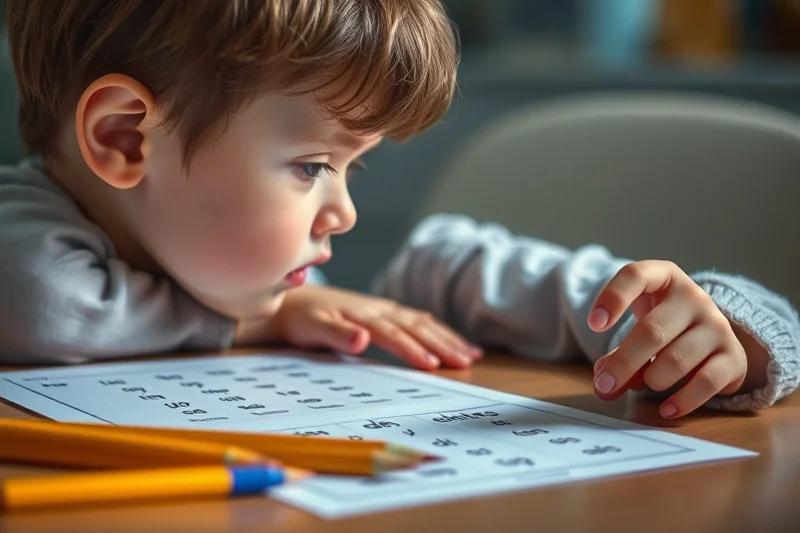
I learned this the hard way when my daughter was struggling to read a simple storybook. She was spending so much time on the sight words that the story itself became confusing. Once we focused on sight words through simple practice printables, her reading fluency improved dramatically. She was reading faster, with more confidence, and actually enjoying the stories.
Sight words make up a significant portion of the English language, especially in early readers. According to the National Reading Panel, students who are proficient in sight-word recognition are more likely to become fluent readers. That’s why creating simple sight-word practice printables is so important—it helps build the skills that lead to reading success.[2]
I’ve seen this in action with other parents and teachers. Simple practice printables, when used consistently, help children build a strong foundation in reading. It’s not just about memorizing words—it’s about understanding them, using them, and eventually reading with ease.
Sight words are the bridge from decoding to reading fluency.
Related: Affordable sight word practice printables worksheets
Related: Sight word practice worksheets ideas
Related: Simple sight word practice printables worksheets
Related: Sight word practice printables worksheets ideas
Related: Sight-word Practice Printables Tips
How to Adapt Sight-Word Activities for Different Learning Styles
I discovered that my daughter was a visual learner. She responded best to flashcards, storyboards, and picture-based activities. But when I shared the same printables with my cousin’s son, who was more of an auditory learner, they didn’t work as well. He needed to hear the words more often and practice them through repetition and sound.
To accommodate different learning styles, I started creating a mix of activities. I made some visual printables, like matching games and picture cards, and others that were more auditory, like word cards with recorded pronunciations. I also added a hands-on version with magnetic letters and a writing version that encouraged tracing and writing the words.
This approach worked wonders. Each child was able to engage with the sight-word practice in a way that suited their learning style. The result was a more inclusive and effective learning experience for everyone involved.
Combine visual, auditory, and tactile elements in your activities to cater to different learning preferences and reinforce word recognition.
“When my daughter was four, I found myself staring at a list of sight words that had no real context—just a page of 'the,' 'and,'…”— Wordsonsight editors
How to Use Sight-Word Practice Printables in the Classroom
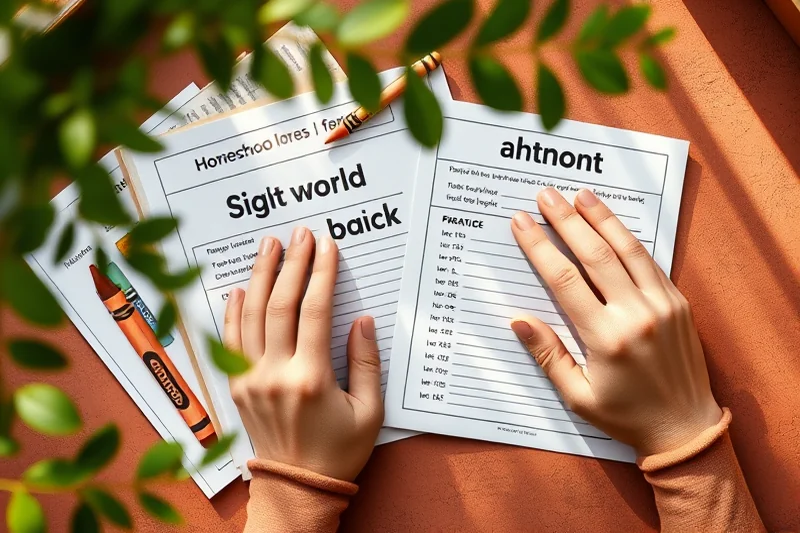
I’ve shared my printables with a few teachers, and they’ve been incredibly helpful in the classroom. One teacher used them as a center activity during literacy time, allowing students to work independently or in small groups. The printables were easy to set up and required no special materials—just a printer and some paper.
Another teacher used the printables for a whole-class activity. She projected the words on the whiteboard and had the class take turns reading them aloud. The students loved the interactive component, and it made the practice feel more like a game than a lesson. The teacher reported that the students were more engaged and had a better grasp of the sight words.
The best part is that these printables can be customized to fit different grade levels and learning objectives. Teachers can modify the activities to match the needs of their students and use them as a supplement to their existing curriculum.
Why Consistency Matters in Sight-Word Practice
I used to think that a few practice sessions a week would be enough, but I quickly realized that wasn’t the case. My daughter was forgetting the words she had learned, and it was frustrating for both of us. That’s when I made a commitment to practice sight words every day, even if it was just for 10 minutes. The results were surprising—she started recognizing the words faster and with more confidence.[3]
Consistency helped her build a stronger foundation in reading. She wasn’t just memorizing the words; she was using them in real-life situations, like reading her favorite books and writing her name. The daily practice became a routine, and she actually started looking forward to it.
I’ve seen this same pattern with other parents and teachers. When sight-word practice is consistent and regular, the results are clear. Kids start recognizing the words faster, reading more fluently, and developing a love for reading.
🧩 Younger Kids (Ages 3-4)
Use large, colorful printables with simple matching and picture association. Focus on high-frequency words like 'the,' 'a,' and 'is.'
📖 Older Kids (Ages 5-6)
Introduce sight words in context, such as short stories or simple sentences. Use printables that reinforce reading fluency and comprehension.
✂️ No-Prep Version
Use pre-cut printables with Velcro or magnets for quick, no-prep activities. These are great for centers or on-the-go learning.
👥 Group Version
Create team-based activities like sight-word scavenger hunts or relay races. These are engaging for classroom or group settings.
✍️ Extension Activity
Use sight-word printables to create writing prompts or stories. This helps reinforce word recognition and builds early writing skills.
| The mistake | Why it happens | The fix |
|---|---|---|
| Using too many words at once. | This can overwhelm the child and make the practice less effective. | Start with a small set of words and gradually introduce more as the child becomes comfortable. |
| Not providing enough context. | Children may not understand the meaning of the words, which can lead to confusion. | Use picture associations, stories, or real-life examples to provide context for the sight words. |
| Making the activities too complicated. | Complex activities can discourage the child and make the practice feel like a chore. | Keep the activities simple and engaging, using formats like matching games or flashcards. |
| Lacking consistency in practice. | Inconsistent practice can lead to forgetting the words and a lack of progress. | Set a daily routine for practice and make it a part of the child’s learning schedule. |
Simple Sight-word Practice Printables
Common Questions
How often should I use sight-word printables?
Are sight-word printables suitable for all learning levels?
Can I make my own sight-word printables?
What if my child is not interested in the activities?
References
- California Dyslexia Guidelines (cde.ca.gov)
- Vocabulary for 4th & 5th Grades - NC DPI (dpi.nc.gov)
- Sight Word Recognition Among Young Children At-Risk - ERIC (files.eric.ed.gov)
Cite this guide
Wordsonsight (2026). Simple Sight-word Practice Printables. https://wordsonsight.com/simple-sight-word-practice-printables/
Feel free to cite or share this guide.