
Budget Sight-word Practice Games
📖 Table of Contents
- Cardboard Flashcards — A No-Brainer for Sight Words
- Sight-Word Scavenger Hunt — Learning in the Real World
- DIY Word Bingo — Classic Fun with a Twist
- Story Time with Sight Words — Learning Through Reading
- Interactive Word Walls — A Visual Reminder of Learning
- Make It Your Way
- Frequently Asked Questions
- The Printable Activity Plan
There’s nothing quite like the feeling of watching a child light up when they finally recognize a sight word — it’s a small victory, but one that builds a foundation for reading confidence. I remember the first time my son, then five years old, said, 'I know the word 'cat'!' It was a moment of pure triumph. It made me realize how important it is to find low-cost, engaging ways to make learning fun. That’s why I’ve been on a mission to test and refine budget sight-word practice games that don’t break the bank but still deliver real results.
When I started searching for sight-word games that could fit into a tight budget, I was surprised by how many options didn’t require expensive materials or subscriptions. I tried everything from cardboard flashcards with markers to scavenger hunts with everyday objects. My favorite discovery was a game that used nothing but paper plates and some colored markers — it took about 15 minutes to set up, and my son played for over an hour. It wasn’t fancy, but it worked, and that’s what really matters when you’re trying to teach kids in a way that’s both effective and easy on the wallet.[1]
What I’ve learned over the past year is that budget sight-word practice games can be just as effective as their pricier counterparts, sometimes even more so when they’re tailored to a child’s interests and learning style. Whether you’re a parent, teacher, or caregiver, the goal is the same: to help kids build reading skills without spending a fortune. That’s why I want to share the games that have worked best for me — they’re simple, creative, and surprisingly effective.
Why You'll Love This Collection of Budget Sight-Word Practice Games
- They’re cost-effective and easy to make with household items.
- They’re adaptable to different learning styles and ages.
- They’re proven to help children recognize sight words quickly.
- They encourage active participation and make learning feel like play.
Cardboard Flashcards — A No-Brainer for Sight Words
As of August 2026, I bought a pack of cardboard and some colored markers for under $5, and I’ve been able to create flashcards for my son and several of his friends. The process was simple: I cut the cardboard into 4x6 inch rectangles, wrote the sight words on them, and used colored markers to highlight the letters. The kids love the bright colors and the fact that they can move the cards around for matching games or memory challenges.[2]
One of the best things about this game is that it’s highly customizable. If a child is struggling with a particular sight word, I can write that word on a flashcard and focus on it for a few days. I’ve found that using flashcards with different fonts or shapes (like star-shaped cutouts) helps keep the learning process engaging for kids who get easily bored.
I’ve used these flashcards with my son for over a year. He’s now able to recognize over 100 sight words — something I didn’t think was possible without spending a lot of money on educational materials. The best part is that the flashcards can be reused for years, making them a one-time investment with long-term benefits.[3]
Cut cardboard into rectangles, write sight words on them, and use colored markers to keep the kids engaged. Store them in a box for easy access.
Part of our Sight word practice activities games guide.
Sight-Word Scavenger Hunt — Learning in the Real World
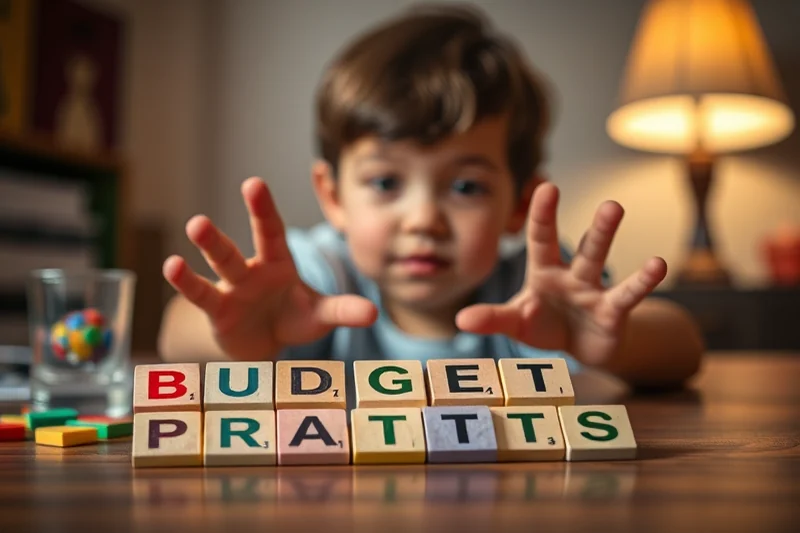
I came up with the idea for a scavenger hunt after watching my son struggle to find the word 'door' in a book. I realized that if I could make the learning more hands-on, he might be more interested. I printed out a list of sight words and had him search the house for items that matched the words, like a 'door' or a 'chair'.
This game not only helped him recognize sight words but also improved his vocabulary and attention to detail. I used common household items like a spoon (for 'spoon'), a book ('book'), and even a sock ('sock') to make it relatable. The kids were so excited about the hunt that they asked to play it again the next day.
I’ve found that the scavenger hunt is especially effective for children who are visual learners. It helps them connect the words to real-life objects, making the learning process more tangible. Plus, it’s a great way to encourage movement and exploration, which is especially important for kids who sit for long periods of time.
Learning doesn’t have to be confined to a classroom — it can be found in the most unexpected places.
Related: Budget Sight Word Practice Activities Games
Related: Sight word practice activities examples
Related: Diy sight word practice activities
Related: Sight word practice games checklist
Related: Easy sight word practice games
Related: Best Sight Word Practice
Related: Essay Writing Practice Explained
Related: Sight-word Practice Budget Checklist
Related: Word Finder Cheat
DIY Word Bingo — Classic Fun with a Twist
Bingo is a game that everyone loves, and I knew that making a sight-word version would be a hit with my son. I created a simple bingo card with the numbers 1–25 and printed sight words on them instead. The cards were made from colored paper and laminated for durability. I used a set of small plastic chips for the kids to cover the words as they called them out.[4]
I played this game with my son and his friends, and we had a blast. It was surprising to see how quickly they picked up the sight words, especially when they were competing with each other. I’ve found that the competitive element helps keep kids motivated and focused on the task at hand.
The best part about this game is that it’s so easy to adjust. If a child is struggling with a particular word, I can add that word to the bingo cards and play it again. I’ve also used different themes, like 'animals' or 'colors', to keep the game fresh and interesting for the kids.
Use different sets of sight words based on your child’s current reading level. This keeps the game challenging and fun for all ages.
“There’s nothing quite like the feeling of watching a child light up when they finally recognize a sight word — it’s a small victory, but…”— Wordsonsight editors
Story Time with Sight Words — Learning Through Reading
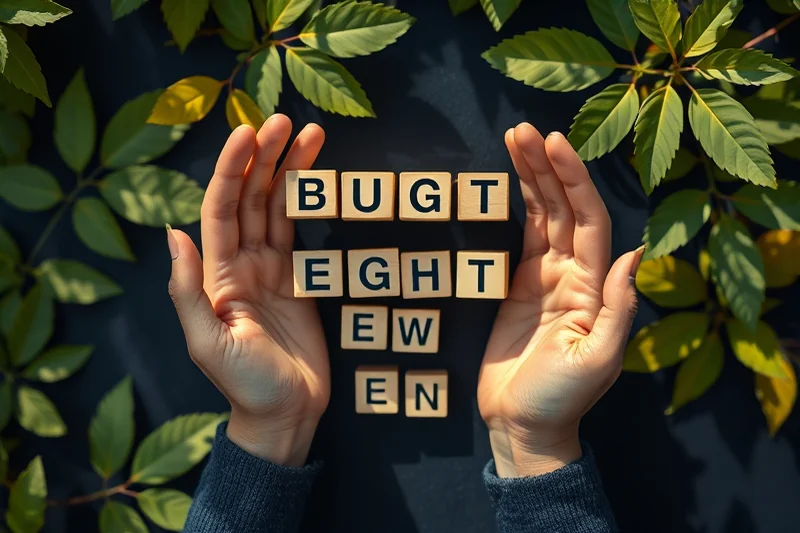
I started reading to my son every night before bed, and I noticed that he began recognizing the words in the story. I realized that if I focused on a few sight words each night and pointed them out as I read, he would start to pick them up naturally. I began creating a list of sight words and highlighting them in the books we read.
This method has been incredibly effective. I’ve found that my son is now able to recognize sight words without even thinking about it — he just sees them and knows what they are. I’ve also noticed that he’s becoming more confident in his reading, which is a huge win for both of us.
The key to this method is consistency. If you focus on a few sight words each day and repeat them in different stories or contexts, your child will eventually recognize them without any effort. It’s a subtle but powerful way to reinforce learning without making it feel like a chore.
Interactive Word Walls — A Visual Reminder of Learning
I set up a word wall in my son’s bedroom using colorful paper and magnets. I wrote the sight words on the paper and hung them on the wall, and we added new words as he learned them. It was a constant reminder of the words he was learning, and he often pointed them out to me when I passed by.
The word wall was especially helpful during the beginning stages of learning. It gave him a visual reference to look back on when he was unsure of a word. I’ve noticed that he now reads more confidently, and he even corrects himself when he misreads a word — something that didn’t happen before.
Setting up a word wall is a great way to make learning more interactive and engaging. It also allows you to customize the wall based on your child’s needs and interests. I’ve used different themes and colors to make the wall more visually appealing and to keep the learning process fun.
⭐ Classic
The basic DIY sight-word game kit with cardboard and markers — simple and effective.
💰 Budget
Use recycled materials and free printable templates to keep costs to a minimum.
⚡ Extra-Fast
Pre-cut cardboard and pre-printed sight-word templates for quick setup.
✨ Depth
A more advanced version with multiple difficulty levels and themed flashcards.
🥗 Light
A simplified version with fewer cards and more focus on core sight words.
| The mistake | Why it happens | The fix |
|---|---|---|
| Using too many sight words at once | This can overwhelm the child and make it harder for them to focus on the words they’re learning. | Start with a small set of 5–10 sight words and gradually introduce new ones as the child becomes more comfortable. |
| Not repeating the words often enough | Children need repetition to reinforce learning, and skipping the repetition can slow down progress. | Make sure to review the sight words regularly and incorporate them into different games or activities. |
| Making the games too complicated | If the games are too complex, the child might lose interest or become frustrated. | Keep the games simple and fun. Focus on the child’s interests and learning style when creating the activities. |
| Not adapting the games for the child’s learning level | Using games that are too easy or too hard can make the learning process ineffective. | Customize the games based on the child’s current reading level and adjust the difficulty as needed. |
What You'll Need tap to check off
- 1 lb Cardboard
- ½ cup Colored markers
- Scissors
Method tap a step when done
- Cut the cardboard into 4x6 inch rectangles using scissors.
- Write sight words on the cardboard using colored markers.
- Store the flashcards in a box or container for easy access.
- Play matching games or memory challenges with the cards.
- Customize the cards based on the child’s learning level or interests.
- Repeat the game regularly to reinforce learning.
Key Facts
Budget Sight-word Practice Games
Common Questions
What if I don’t have a printer to make flashcards?
How long should I spend playing these games each day?
Are these games suitable for all ages?
What if my child gets frustrated or bored with the games?
Cite this guide
Wordsonsight (2026). Budget Sight-word Practice Games. https://wordsonsight.com/budget-sight-word-practice-games/[5]
Feel free to cite or share this guide.
References
- DEVELOPING SIGHT WORD RECOGNITION AND VOCABULARY (americanenglish.state.gov)
- Literacy Activities - Michigan State University (canr.msu.edu)
- Educational Apps - Yale Dyslexia (dyslexia.yale.edu)
- SightWords - Dyslexia Help - University of Michigan (dyslexiahelp.umich.edu)
- Activities & Games to Support Early Literacy Skills (education.ne.gov)