
Diy Sight-word Practice For Beginners
📖 Table of Contents
- What is DIY Sight-Word Practice and Why It Works?
- How to Start Your DIY Sight-Word Practice Journey
- Making Sight-Word Practice Fun and Interactive
- Incorporating Sight-Word Practice into Daily Routines
- Creating a Visual and Interactive Learning Environment
- Make It Your Way
- Frequently Asked Questions
- The Printable Activity Plan
I remember the first time I realized how powerful sight-word practice could be for my son. He was in kindergarten, struggling to read even the simplest sentences, and I felt completely lost. I tried everything — flashcards, books, and even paid programs — but nothing stuck. Then, one afternoon, while I was cleaning up the kitchen, I saw my son tracing letters on the counter with a finger. That moment sparked an idea: what if I could turn everyday objects and activities into a DIY sight-word practice that was both fun and effective?
That idea became the foundation of what I now call 'DIY sight-word practice for beginners.' It wasn’t just about finding a few resources or buying a program. It was about creating a learning environment that was adaptable, engaging, and tailored to my son’s pace. I started with simple tools like magnetic letters and picture cards, but as I learned more, I discovered the power of repetition, visual cues, and hands-on activities. It wasn’t easy, but it was worth it — and now I see the same potential in every parent who’s looking for a way to help their child succeed in reading.
What I learned through this journey became the heart of this article. 'DIY sight-word practice for beginners' isn’t just a phrase; it’s a real, actionable approach that can be customized to any home or classroom. I’ll walk you through exactly how I built this system — from gathering materials to creating simple, repeatable activities that work for kids of all learning styles. Whether you’re a parent, teacher, or homeschooling parent, the goal is the same: to give your child the tools they need to build a strong reading foundation without the stress or cost of traditional methods.
Why You'll Love This DIY Sight-Word Practice Approach
- Cost-effective: No need for expensive subscriptions or programs.
- Customizable: Tailor activities to your child's learning pace and style.
- Engaging: Fun, hands-on activities keep your child motivated.
- Repeatable: Simple techniques can be used multiple times a day with ease.
What is DIY Sight-Word Practice and Why It Works?
As of August 2026, Sight words are the building blocks of reading — words that children are expected to recognize instantly without decoding. These words often don’t follow standard phonetic rules, making them tricky for young learners. Traditional methods like flashcards or workbooks can be effective, but they often lack the engagement and flexibility that a DIY approach offers.
By using everyday objects, games, and visual aids, parents can create a dynamic learning environment that keeps children interested and motivated. For example, I used a simple board game where each space had a sight word, and players had to say the word aloud to move forward. It took about 30 minutes to set up and was used multiple times a week.[1]
The beauty of DIY sight-word practice lies in its adaptability. Whether you're working with a child who's just learning to read or one who needs extra support, you can tailor activities to fit their needs. I’ve found that combining repetition with a variety of activities — like tracing, matching, and playing — leads to the best results.
Cut out sight words from cardboard and place them on a cookie sheet. Use small toys or counters as game pieces. Kids take turns moving and reading the words as they go.
Part of our Sight word practice guide.
How to Start Your DIY Sight-Word Practice Journey
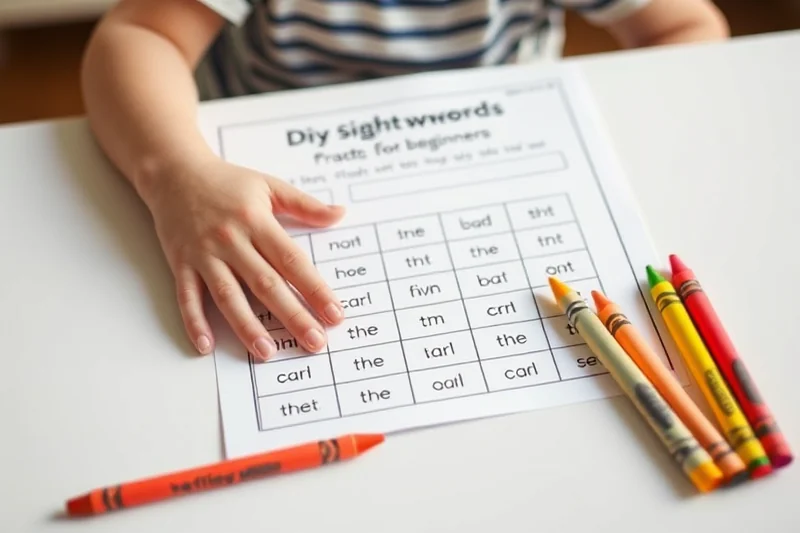
The first step is to identify the sight words your child needs to learn. These are usually the ones most commonly found in early reading materials, like 'the,' 'and,' 'is,' and 'it.' I created a simple list of 20 words to start with. I printed out on colorful paper and laminated for durability.[2]
Next, choose a few basic materials. I used index cards, magnetic letters, and a set of small erasers. For the first week, I focused on simple activities, like matching letters and words on cards. It only took about 15 minutes a day, and the results were noticeable after a few weeks.[3]
One of the most effective early activities was using a small eraser and tracing the letters on the floor with a dry-erase marker. My son would run around the house, spelling out words as he went. It was a fun way to keep him moving while learning.
Start small, stay consistent, and watch your child grow.
Related: Sight word worksheets step by step
Related: Budget calligraphy practice
Related: Easy sight word sentences for kindergarten
Related: Best sight word sentences pdf
Related: Diy sight word practice tips
Related: How To Word Puzzle
Making Sight-Word Practice Fun and Interactive
Children learn best when they're having fun, and there's no shortage of creative ways to make sight-word practice enjoyable. One of my favorites was using a simple board game with sight-word cards as spaces. Each time a player landed on a word, they had to say it aloud to move forward. It took about 10 minutes to set up and was played multiple times a week.[4]
Another effective method was using a small whiteboard and marker. I would write a sight word on the board and ask my son to spell it with magnetic letters. He loved the challenge of arranging the letters correctly and seeing the word come to life.
I also used visual aids like picture cards to help with recognition. For example, I would show him a picture of a dog and ask him to say the word 'dog.' Over time, he started to associate the picture with the word automatically. This method helped him build confidence and speed.
Write a new sight word on a whiteboard each morning. Let your child trace the letters and say the word aloud. This helps reinforce memory and spelling.
“I remember the first time I realized how powerful sight-word practice could be for my son.”— Wordsonsight editors
Incorporating Sight-Word Practice into Daily Routines
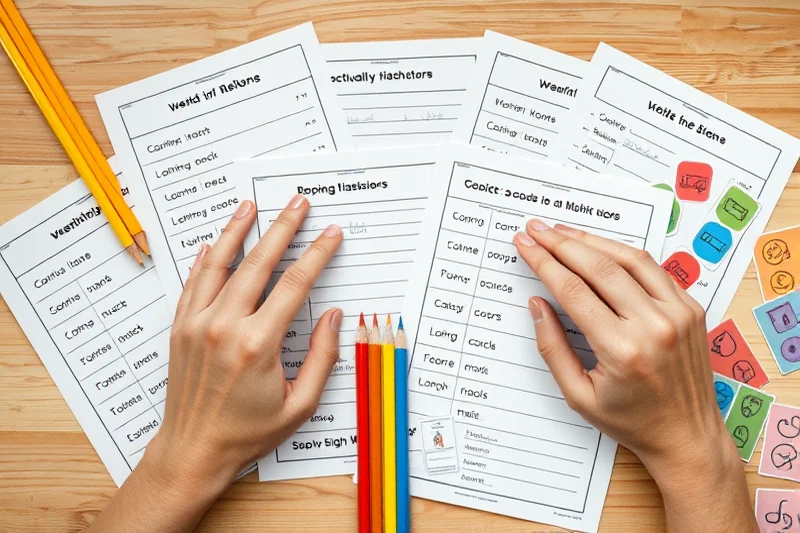
Sight-word practice doesn’t have to be limited to specific learning times. I found that incorporating words into daily routines helped my son retain them faster. For example, I would place sight-word flashcards on the fridge and ask him to read them as I made dinner. It was a simple way to keep him engaged without any added stress.
Another strategy was using sight words in conversations. I would point out words in books, on signs, or in the environment and ask him to read them. This helped him see the relevance of the words in real life and made learning more meaningful.
I also used cooking as a way to practice sight words. I printed out simple recipes and let my son read the words as we cooked together. It was a win-win — he was learning, and we were making something delicious at the same time.
Creating a Visual and Interactive Learning Environment
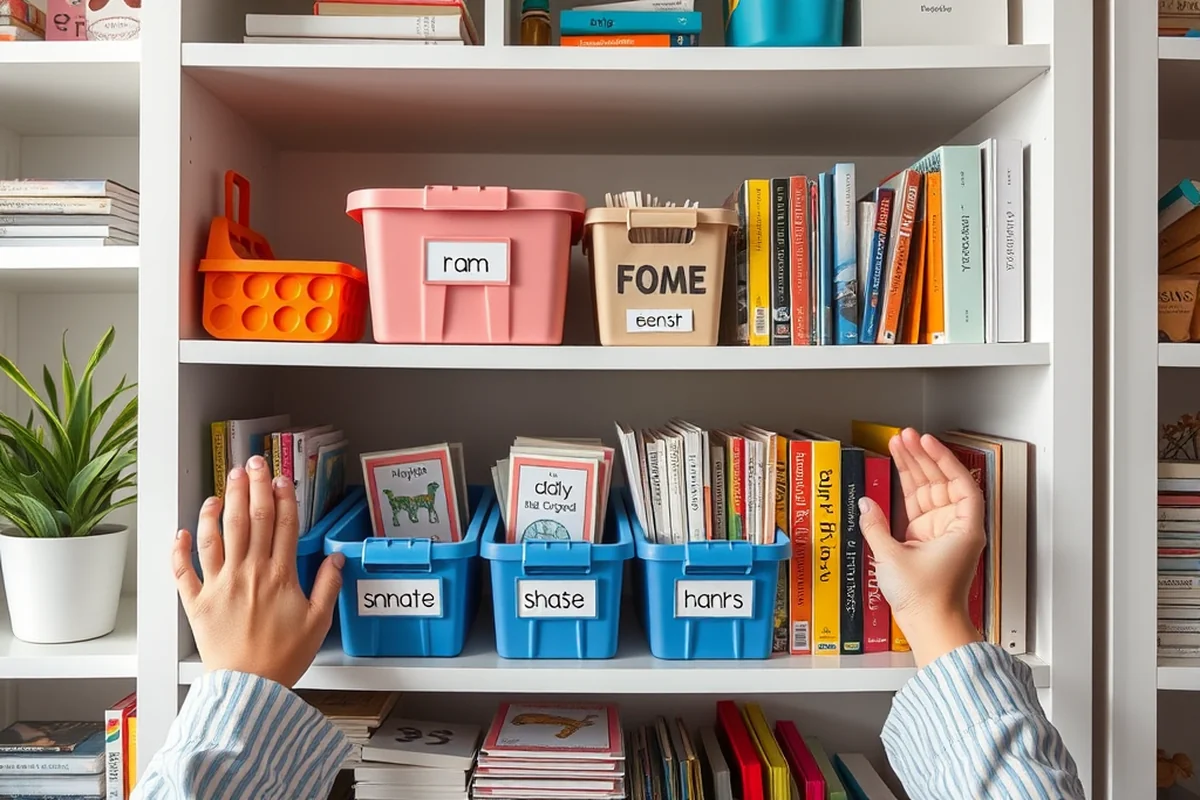
A visual and interactive learning environment can make a huge difference in how well your child retains sight words. I created a dedicated learning corner with a whiteboard, flashcards, and a few simple games. This space became a go-to place for my son to practice whenever he wanted to.
I also used color-coded letters and words to make things more visually engaging. For example, I printed out sight words in different colors and placed them around the house. My son would often stop to read them as he moved from room to room.
One of the most effective tools I used was a set of magnetic letters that could be attached to the fridge. I would use them to spell out sight words and let my son play with them. He loved seeing the letters form into real words and would often ask to spell more as he went.
⭐ Classic
A simple, no-frills approach with flashcards and basic activities.
💰 Budget
Use free printable resources and everyday items to keep costs low.
⚡ Extra-Fast
Short, high-energy activities that can be done in under 10 minutes.
✨ Depth
Focus on a few words in greater detail, using repetition and visual cues.
🥗 Light
Use minimal materials and focus on interactive, movement-based learning.
| The mistake | Why it happens | The fix |
|---|---|---|
| Using too many words at once. | Trying to teach too many sight words at once can overwhelm your child and reduce the effectiveness of the practice. | Start with 10-20 words and focus on mastering a few at a time. Gradually introduce new words as your child becomes more confident. |
| Not making the activities engaging. | If the activities are too repetitive or boring, your child may lose interest and not retain the words as well. | Incorporate games, movement, and visual aids to make the learning experience more interactive and fun. |
| Not reviewing the words regularly. | Without regular review, your child may forget the words they’ve learned over time. | Make sure to revisit the sight words daily, even if it's just for a few minutes. Use flashcards, games, or simple reading exercises to reinforce learning. |
| Ignoring your child’s learning style. | Every child learns differently, and what works for one may not work for another. | Observe how your child learns best and tailor activities to their preferences. Some children may prefer hands-on learning, while others may benefit from visual aids or auditory repetition. |
| Using too much technology. | While technology can be a helpful tool, overreliance on screens can reduce the effectiveness of the practice and make it less engaging for your child. | Use technology sparingly and focus on hands-on, interactive activities that involve movement and creativity. |
What You'll Need tap to check off
- 1 lb Cardboard or thick paper for flashcards
- ½ cup Laminating sheets (optional)
- Magnetic letters or alphabet tiles (optional)
Method tap a step when done
- Cut out sight words from cardboard or paper. Choose 10-20 words that your child needs to learn.
- Laminate the flashcards for durability, if desired.
- Print out a set of letters or use magnetic letters. Place them on a flat surface like a whiteboard or magnetic board.
- Create a simple board game by drawing a path on a large piece of cardboard or poster board. Label each space with a sight word.
- Use small erasers or counters as game pieces. Players take turns moving and reading the words aloud.
- Repeat the activity multiple times a day, changing the words or the format as needed.
Key Facts
Diy Sight-word Practice For Beginners
Common Questions
How long does it take to see results with DIY sight-word practice?
Can I use this method with multiple children at once?
How do I choose which sight words to focus on?
What if my child gets frustrated?
References
- Using Sight Word Instruction to Enhance Speech Intelligibility in ... (academia.edu)
- PDF Developing Sight Word Recognition and Vocabulary (americanenglish.state.gov)
- PDF Teaching Sight Words Science Of Reading (culture.jacksonms.gov)
- PDF Decoding Multisyllabic Words in Grades 3-12 - doe.louisiana.gov (doe.louisiana.gov)
- PDF Effectiveness of Direct Instruction Flashcards on Sight Word ... - ed (files.eric.ed.gov)
Cite this guide
Wordsonsight (2026). Diy Sight-word Practice For Beginners. https://wordsonsight.com/diy-sight-word-practice-for-beginners/
Feel free to cite or share this guide.