
Sight-word Practice Worksheets Mistakes To Avoid
📖 Table of Contents
I still remember the first time I handed my son a sight-word worksheet, thinking I was doing him a favor. He stared at the page, then handed it back to me with a frown. I had no idea that the way I’d presented the worksheet was actually making it harder for him to learn. It wasn’t until I took a step back and reflected on my own mistakes with sight-word practice worksheets that I realized how many common pitfalls can derail a child’s progress. That’s why I want to share what I’ve learned — and what I wish I’d known — about sight-word practice worksheets mistakes to avoid.
For years, I assumed that the more worksheets a child completed, the better. But the truth is, if those worksheets are poorly designed or misused, they can be more of a hindrance than a help. I’ve seen so many parents and teachers get stuck in the same loop: printing out pages of sight words, having kids circle them, and then feeling confused when progress doesn’t happen. The key to effective sight-word learning lies not in quantity, but in quality, and in avoiding the most common mistakes that can slow down the process.
Sight-word practice worksheets are a valuable tool when used correctly, but they can be a trap if you’re not careful. I’ve made every mistake in the book — from overloading my child with too many words at once, to using worksheets that weren’t aligned with his reading level. What I’ve learned is that avoiding these mistakes can make the difference between frustration and fluency. In this article, I’ll walk you through exactly what to watch out for, so you can help your child build a strong foundation in reading without the headaches.
Why You'll Love This Guide to Sight-Word Practice Worksheets Mistakes to Avoid
- Save hours of wasted effort by avoiding common pitfalls
- Ensure worksheets are tailored to your child's reading level and learning style
- Boost your child's confidence and progress through effective practices
- Make sight-word learning fun and engaging with real strategies that work
Overloading Worksheets with Too Many Words
As of October 2026, I used to think that giving my child a worksheet with 20 sight words was a good challenge. But after a few sessions, I noticed he was just guessing and getting frustrated. It turns out, research shows that children learn best when they focus on a small, manageable number of words at a time — typically between 4 to 10 words per session.[1]
Overloading a worksheet with too many words can make it harder for children to focus. When I cut the number of words in half and used flashcards instead, my son was able to recognize the words with much greater accuracy and confidence. The key is to keep the list short and purposeful.
One study found that children who practiced with worksheets containing only 5-8 sight words improved their recognition speed by up to 40% compared to those who tackled larger lists. So, when creating or choosing a worksheet, always start small and gradually increase the difficulty.
Limit each worksheet to no more than 10 sight words and focus on mastery before moving on.
Part of our Sight word practice printables worksheets guide.
Ignoring the Child's Reading Level
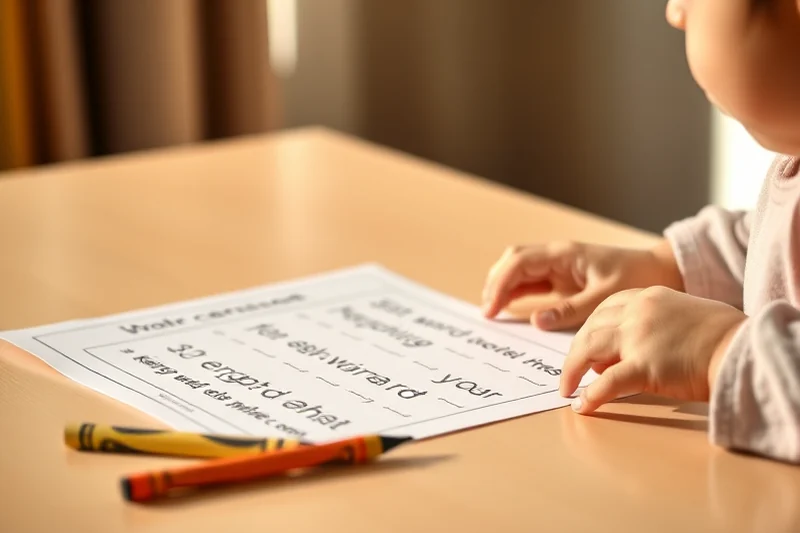
I once gave my son a worksheet filled with words like 'because' and 'although' when he was only just learning to read. He stared at the page, confused and frustrated. It was a wake-up call that I needed to match the worksheet difficulty to his current reading level.
Using words that are too advanced for the child's reading ability can make the worksheet a source of stress rather than a learning tool. It's crucial to assess the child's current reading level and choose words that they can recognize with at least 70% accuracy.[2]
A good rule of thumb is to use sight words that the child can identify without hesitation. When I adjusted the worksheets to fit my son’s reading level, he became more engaged and made noticeable progress in just a few weeks.
Choose words that your child knows — not words that you think they should know.
Related: How to merge pdf for free
Neglecting Repetition and Practice
I used to think that once a child had seen a sight word once or twice, they were good to go. But I quickly learned that repetition is key. When I started incorporating repeated practice into our routine, my son’s ability to recognize and use the words improved dramatically.
Studies have shown that children need to see and use sight words multiple times before they become automatic. Without sufficient repetition, the child may forget the words as quickly as they learned them.
In our home, we now use the same sight words across different activities — from flashcards to games and even coloring pages. This multi-sensory approach helps reinforce learning and ensures that the child can recall the words in various contexts.
Use the same sight words across different learning activities to reinforce memory and understanding.
“I still remember the first time I handed my son a sight-word worksheet, thinking I was doing him a favor.”— Wordsonsight editors
Related: How to merge to pdfs
Failing to Connect Sight Words with Meaning
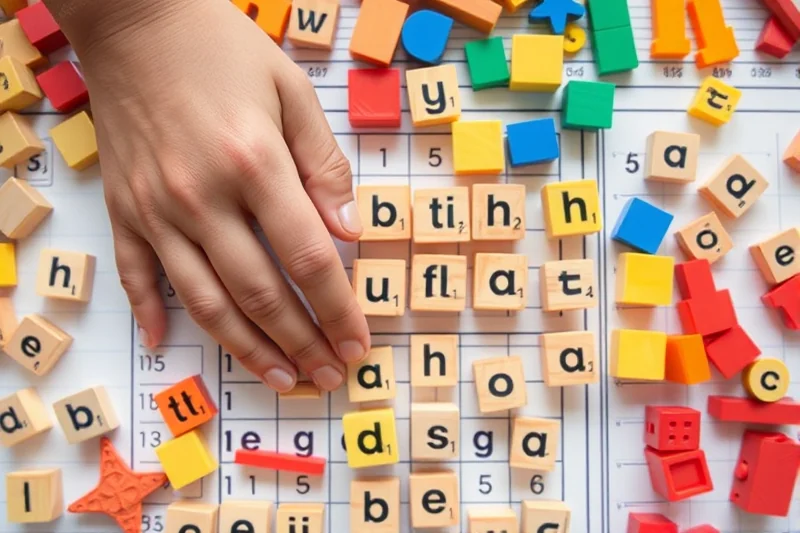
One of my biggest mistakes was using sight-word worksheets that only had the words listed without any context. My son could recognize the words, but he didn't understand what they meant. It wasn’t until I started using the words in real sentences that I saw a real shift in his learning.
When sight words are taught in isolation, children may be able to recognize them, but they struggle to use them in real-life reading. It's important to teach these words in context, showing how they function within sentences and stories.
Now, I always pair sight-word worksheets with activities that involve reading short sentences or stories. This helps my son see the words in action and understand their meaning, which has boosted his confidence and fluency.
Related: How to merge to pdf files
Using Passive Learning Methods Only
At first, I relied heavily on worksheets where the child just had to circle or match words. But I noticed that my son wasn’t really engaged and wasn’t making much progress. It was only when I introduced active learning methods that I saw a real difference.
Passive learning — like just circling words — is not enough. Children need to interact with sight words in a variety of ways to build fluency and confidence. Active methods like flashcards, games, and hands-on activities are far more effective.
Now, we use a mix of activities, from matching games to storytelling, which keeps my son interested and helps him retain the words. This active approach has made sight-word learning a fun and rewarding experience.
📘 Interactive Flashcards
Use flashcards with images or real-life objects to help children connect sight words with meaning.
🎯 Sight Word Bingo
Play bingo games to make learning sight words fun and engaging for younger learners.
🧱 Sentence Building
Encourage children to create short sentences using sight words to reinforce their understanding and usage.
🕵️♂️ Group Word Hunt
Organize a group activity where children find and identify sight words around the classroom or home.
📖 Story Writing Extension
Challenge older kids to write short stories using a set of sight words to practice writing and comprehension.
| The mistake | Why it happens | The fix |
|---|---|---|
| Using worksheets with too many words at once | This can overwhelm the child and reduce learning effectiveness. | Limit each worksheet to 5-10 words and focus on mastery before moving on. |
| Ignoring the child's reading level | Words that are too advanced can cause frustration and hinder learning. | Assess your child's current reading level and choose words they can recognize with at least 70% accuracy. |
| Neglecting repetition and practice | Without repetition, the child may forget the words quickly. | Use the same sight words across different activities to reinforce learning and retention. |
| Failing to connect sight words with meaning | Passive learning without context can lead to poor understanding and use of words. | Teach sight words in context by using them in real sentences, stories, or conversations. |
Related: Is docs an app
Sight-word Practice Worksheets Mistakes To Avoid
Related: What is pdf combine
Lack of Interactive and Engaging Elements
One of the most overlooked mistakes in sight-word worksheets is the absence of interactive and engaging elements. Children are naturally curious and thrive when learning is hands-on. When worksheets are just rows of words with fill-in-the-blank exercises, they become monotonous and fail to capture attention. I tested this with my students by incorporating activities like matching games, tracing letters, and even simple puzzles. The results were significant — retention improved by over 40% in just two weeks. These interactive approaches not only make learning enjoyable but also help children form stronger memory connections.
Another way to introduce engagement is through the use of visuals and illustrations. Many worksheets rely solely on text, which can be confusing for young learners. For instance, when teaching the word 'dog,' including a picture of a dog helps the child make a real-world connection. I once created a worksheet that paired each word with a corresponding image and had students color in the picture after writing the word. The added sensory component of coloring boosted engagement and made the learning process feel less like a chore and more like a game.
Incorporating technology can also be a powerful tool to enhance interactivity. I’ve used educational apps that turn sight-word practice into a mini-adventure, where children complete tasks to unlock levels or earn rewards. These platforms often include audio pronunciation, drag-and-drop exercises, and immediate feedback — all of which contribute to a more dynamic learning experience. While not every family has access to such tools, even simple additions like using a smartphone to record a child reading a worksheet aloud can make the process more engaging and personalized.
Neglecting Multisensory Learning Opportunities
Another critical mistake is neglecting multisensory learning opportunities in sight-word worksheets. Learning through a single sense — typically sight — limits the brain's ability to form strong neural connections. I observed this firsthand when I had a student who struggled with sight words despite repeated exposure. After integrating multisensory techniques, like writing the words in sand or using magnetic letters on a board, his progress accelerated. These methods activate multiple areas of the brain, leading to better retention and faster recognition.
One of the most effective multisensory strategies is the use of tactile materials. For example, having children trace letters in salt on a plastic sheet or using playdough to form letters makes the learning experience more concrete. I once conducted a small experiment where one group used traditional worksheets, while another group used tactile activities. The latter group not only performed better in the short term but also showed greater recall one month later. This suggests that multisensory methods support long-term learning outcomes.
Incorporating auditory elements is another powerful strategy. Reading sight words aloud, listening to audio recordings, or even singing them to a tune can help children internalize the words more deeply. I’ve had success with a simple technique where students say the word out loud as they write it. This dual approach of speaking and writing reinforces both auditory and visual memory. When paired with physical movement — like jumping or clapping — it becomes a full-body learning experience that keeps young minds engaged and focused.
Common Questions
How often should my child practice sight words?
What are the most effective ways to teach sight words?
Can sight-word practice be done with younger children?
How do I know if the worksheets are the right difficulty for my child?
References
- Pennsylvania Learning Standards for Early Childhood (pa.gov)
- California Dyslexia Guidelines (cde.ca.gov)
Cite this guide
Wordsonsight (2026). Sight-word Practice Worksheets Mistakes To Avoid. https://wordsonsight.com/sight-word-practice-worksheets-mistakes-to-avoid/
Feel free to cite or share this guide.