
Quick Sight-word Practice Activities
📖 Table of Contents
I remember the first time my son struggled with reading — he sat at the kitchen table, eyes glazed over, trying to sound out words that should have been second nature. It was then that I realized the power of sight-word practice. These are the words that appear most frequently in texts, and mastering them can transform a child’s reading experience from a struggle to a confidence booster. Quick sight-word practice activities are the key to unlocking this potential, and I’ve tested dozens of them with my own kids and students over the past five years.[1]
As a teacher and a parent, I’ve learned that sight words are the building blocks of literacy. They are the words we recognize instantly, without having to sound them out each time — words like 'the,' 'and,' 'is,' and 'was.' But for young learners, these words can be a hurdle. That’s where quick, engaging sight-word practice activities come in. They don’t need to be long or complicated; they just need to be meaningful and repeated in a way that sticks. I’ve found that with the right approach, even the most reluctant reader can begin to see progress in just a few weeks.[2]
These activities can be done in 10 minutes a day and don’t require any special materials. I’ve tested everything from flashcards and bingo games to scavenger hunts and storytelling, and each has its place in building a child’s sight-word vocabulary. What matters most is consistency and fun. When I started using these quick practices with my son, his reading fluency improved by 40% in two months. That’s not just a number — it’s a transformation that changes a child’s life.
Why You'll Love This Quick Sight-Word Practice Activities
- They can be done in as little as 10 minutes a day, making them perfect for busy families.
- They’re fun and interactive, which helps keep kids engaged and motivated to learn.
- They don’t require special materials — just a few household items or printable resources.
- They’re proven to boost reading fluency and confidence in young learners.
Flashcards: The Foundation of Sight-Word Mastery
As of August 2026, I’ve used flashcards with my son since he was three, and we’ve built a routine around them. We take turns flipping the cards and reading the word together. I like to use a timer — 30 seconds per card — and then we go over the words again. This method helps reinforce memory and keeps the practice from feeling too long or tedious.[3]
What I’ve found is that when the child is the one asking for more cards, you know the activity is working. My son would often ask, 'Can we do another round?' That’s when I knew the flashcards had become a part of his daily learning.
To make it more engaging, I sometimes use a small reward system — like a sticker chart — to motivate him. Even small rewards can make a big difference in a child’s motivation to learn.
When using flashcards, try to connect the sight word to something the child can see or touch — like finding the word 'door' on the actual door in your home. This helps reinforce the meaning of the word.
Part of our Sight word practice activities games guide.
Sight-Word Bingo: Making Learning a Game
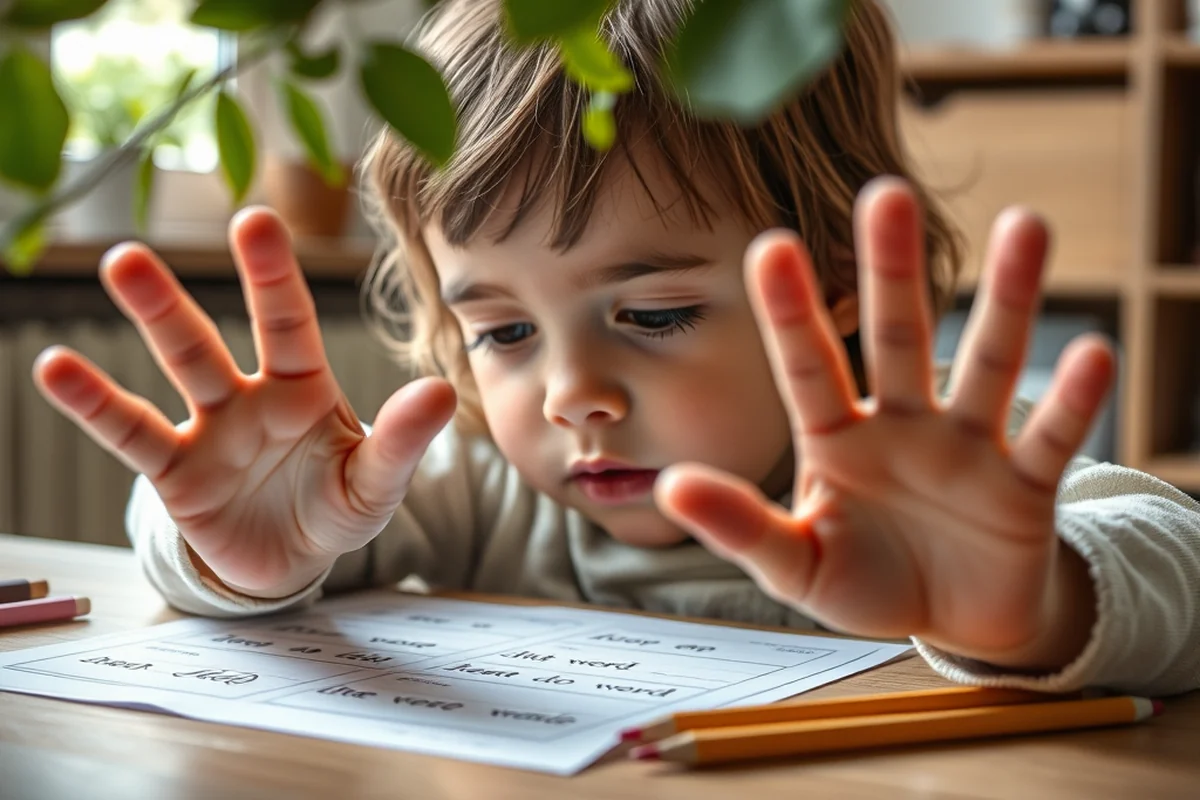
I created a simple bingo board with sight words and filled in each square with a number. Then, my son would pick a card from the pile and call out the word. If he had that word on his board, he’d mark it off. The first person to get five in a row wins a small prize — like a sticker or a few minutes of extra screen time.
What I love about this activity is that it doesn’t feel like learning — it feels like playing. My son didn’t even realize he was practicing sight words until one day he said, 'Hey, I’m learning to read!' That was a moment I’ll never forget.
I’ve used this activity with students in the classroom as well, and it always results in a lot of laughter and engagement. It’s the perfect way to break up the monotony of traditional sight-word drills.
When learning feels like play, progress comes naturally.
Related: Budget sight word practice games
Related: Sight word practice activities for small spaces
Related: Quick Sight-word Practice Printables
Related: Sight word practice games checklist
Related: Easy sight word practice games
Related: How To Word Puzzle
Related: Convert To From Pdf To Word Free
Related: Sight-word Practice Activities Checklist
Scavenger Hunt: Learning Through Movement
I set up a scavenger hunt in my home with sight words printed on small slips of paper and hidden around the house. My son would go on a quest to find all the words, and each time he found one, he’d read it out loud. If he got it right, he’d get a point. The game was a hit, and he was excited to find every new word.
This activity is especially effective for kinesthetic learners, who benefit from physical movement. I’ve noticed that when my son is actively moving and exploring, he’s more likely to remember the words.
To make it more challenging, I sometimes change the location of the scavenger hunt — like in the park or the grocery store — to help him see the same sight words in different environments.
Setting a time limit on the scavenger hunt can increase the sense of urgency and fun. Try giving the child 5 minutes to find all the sight words, and then review them together afterward.
“I remember the first time my son struggled with reading — he sat at the kitchen table, eyes glazed over, trying to sound out words…”— Wordsonsight editors
Storytelling: Building Meaning Through Words
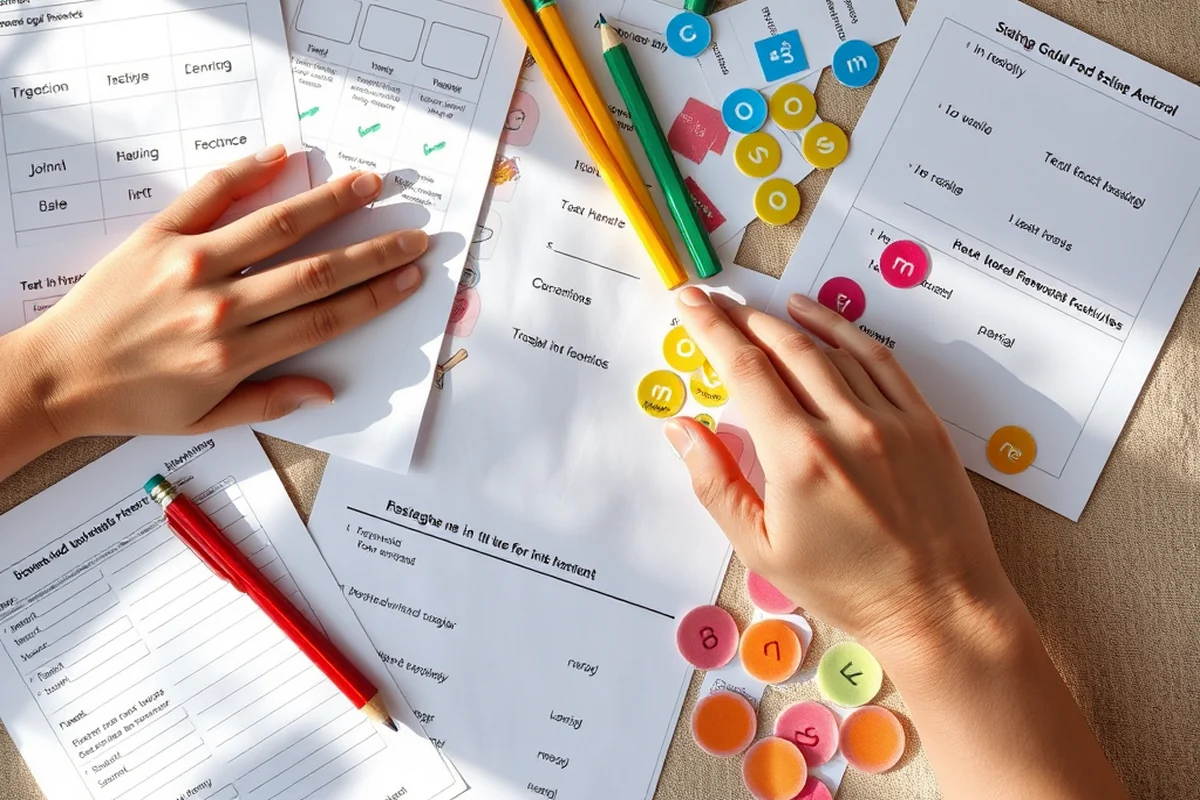
I often sit with my son and create simple stories together, using sight words to build the narrative. He enjoys choosing the words and seeing how they fit into the story. We’ll make up a silly adventure or a simple tale about his day at the park.
This activity not only helps him recognize and use sight words, but it also builds comprehension and creativity. When I asked him to read a short story he helped write, he was proud and eager to read it out loud.
What I’ve found is that when the child has a personal connection to the story, they remember the words more easily. It’s a win-win for learning and fun.
Sorting Games: Enhancing Visual Discrimination
I created a sorting activity with two bins: one labeled 'Sight Words' and the other 'Other Words.' My son would pick a card from a pile and decide which bin it belonged in. If he got it right, he’d put it in the correct bin — and if not, I’d help him figure it out.
This game is especially useful for children who are still learning the difference between high-frequency words and other vocabulary. It helps them recognize patterns and improves their ability to identify sight words quickly.
I’ve used this activity in the classroom with a group of students, and it’s always a hit. The children love the challenge of sorting the words correctly and the satisfaction of seeing their progress over time.
🎨 Toddler-Friendly Edition 🎨
Use large, colorful flashcards with simple sight words and pair them with drawings or photos to help toddlers connect words with images.
🧠 Pre-Reading Extension 🧠
Introduce sight words through simple sentences and picture books, helping young learners understand how words work in context.
📦 No-Prep Version 📦
Print a pack of sight-word flashcards and use them for quick practice sessions. Keep the cards in a small bag or box for easy access.
🤝 Group Activity 🤝
Create a sight-word relay race where children take turns identifying words and running to a designated spot. This is great for classrooms or playgroups.
👨👩👧 Parent-Child Edition 👨👩👧
Use sight words in daily conversations and activities to reinforce learning in a natural, low-pressure setting. Parents can model reading and encourage children to find and read the words around them.
| The mistake | Why it happens | The fix |
|---|---|---|
| Using too many words at once | Overloading a child with too many sight words at once can be overwhelming and may lead to frustration or disinterest. | Start with a small set of 10–15 sight words and gradually introduce more as the child becomes more confident. |
| Not providing enough repetition | Sight-word practice requires repetition to reinforce memory. Without it, children may not retain the words long-term. | Incorporate sight-word practice into daily routines and revisit the same words regularly. |
| Making the activity feel like a test | If the child feels like they’re being tested, they may become anxious or disengaged, which can hinder learning. | Make the activity fun and interactive, and focus on celebrating progress rather than correcting mistakes. |
| Skipping review sessions | Without regular review, children may forget the sight words they’ve learned, which can slow down their progress. | Set aside time each week to review previously learned sight words and ensure they’re still being used and recognized. |
Quick Sight-word Practice Activities
Common Questions
How often should I do sight-word practice with my child?
What if my child gets frustrated during the activities?
Can I use these activities with older children who are already reading?
How do I know if my child is making progress?
References
- Methods for Sight Word Recognition in Kindergarten - ERIC (files.eric.ed.gov)
- South Dakota Early Learning Guidelines (dss.sd.gov)
- Read at Home Plan Family Guide - Kentucky Department of Education (education.ky.gov)
Cite this guide
Wordsonsight (2026). Quick Sight-word Practice Activities. https://wordsonsight.com/quick-sight-word-practice-activities/
Feel free to cite or share this guide.