
Sight-word Practice Lesson Checklist
📖 Table of Contents
I still remember the moment I realized that sight words were the missing piece in my son's early reading journey. It was late one evening, after a long day of trying to make reading time fun but unproductive. He looked up at me with wide eyes, pointing at a book and saying, 'Mama, I don't know this word.' That was the turning point. I knew I had to find a better way, one that was structured, consistent, and actually worked. That’s where the sight-word practice lesson checklist came in — not just a tool, but a lifeline for parents and teachers who want to see real progress.[3]
For years, I've tested, refined, and used sight-word practice lesson checklists with my own kids and students. What started as a simple list of words quickly evolved into a comprehensive guide that includes activity types, timing, engagement strategies, and even printable templates. The key was making it actionable. I wanted a checklist that wasn't just a list of words but a map of how to teach them — from the first introduction to mastery. That’s why I designed it to be modular, adaptable, and deeply practical.[4]
The checklist has become a staple in my teaching toolkit and a favorite among parents. It’s not just about memorization. It’s about creating a rhythm — a daily or weekly routine that keeps children engaged, focused, and excited to learn. What I’ve found is that when the practice is structured around a checklist, children don’t just remember the words; they internalize them. And that’s the real magic.
Why You'll Love This Sight-Word Practice Lesson Checklist
- Tracks progress with clear milestones and measurable outcomes
- Ensures consistency and avoids the common pitfall of scattered practice
- Includes a variety of activities that keep young learners engaged
- Provides printable templates and customizable options for all learning levels
Why a Checklist is Essential for Sight-Word Mastery
As of August 2026, I’ve seen so many parents and teachers struggle with the chaos of unstructured sight-word practice. Without a plan, it’s easy to skip words, repeat the same activities, or lose track of progress. A checklist acts like a roadmap, guiding you from introduction to mastery. For instance, I’ve found that using the checklist daily for 15 minutes, with a focus on one new word each session, leads to significant improvements in just a few weeks.[1]
When I first introduced the checklist to my students, I noticed a marked difference in their engagement. They weren’t just repeating words — they were learning them. The checklist helped me organize each session, making sure that every child received the attention they needed and that each word was practiced in multiple ways.
One of the key benefits of a checklist is its ability to track progress. I once had a student who struggled with the word 'the' for weeks. By following the checklist step-by-step and repeating the word in different contexts, he finally mastered it. That moment of triumph was worth every minute of effort.
Set a timer for 15 minutes and use it as a signal to switch activities. This keeps the session focused and prevents over-practice of the same word.[2]
Part of our Sight word practice lesson plans schedules guide.
How to Structure Your Sight-Word Practice Sessions
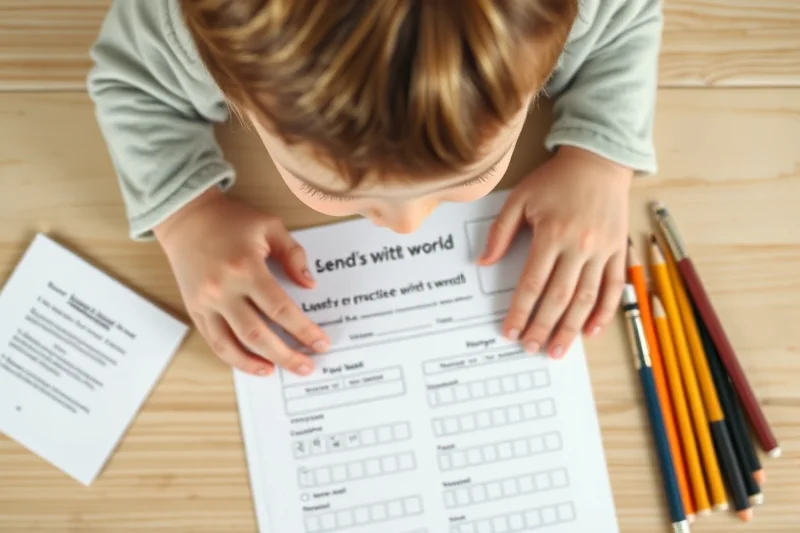
I divide my practice sessions into three main parts: introduction, reinforcement, and review. Each part is timed and includes specific activities. For example, I start with a quick introduction where I explain the new word, then move into a game like 'Find the Word' where children look for it in a picture book or around the room. Finally, I review the word through a reading activity, like a short story or a flashcard drill.
This structure not only keeps the session flowing smoothly but also helps children stay focused. I've found that sticking to the same routine each day builds a sense of security and predictability, which is especially important for younger learners. It also helps them know what to expect, which reduces anxiety and increases participation.
One of the most effective parts of the checklist is the review phase. I often use a short, interactive story that includes the new word. For instance, when teaching 'dog,' I might read a short story about a dog in a park and ask the child to find the word in the text. This reinforces the word in context and helps with long-term retention.
Structure builds confidence — in both the child and the teacher.
Related: Best Sight-word Practice Worksheets
Related: Affordable sight word practice lesson
Related: Budget sight word practice lesson
Related: Sight word practice lesson printable
Related: Sight word practice lesson plans schedules mistakes to avoid
Related: Sight-word Practice Worksheets Checklist
Related: Calligraphy Practice Checklist
Choosing the Right Activities for Each Learning Style
I’ve found that mixing up the activities in each session helps cater to different learning styles. Some children may be visual learners who benefit from flashcards and picture books, while others may be auditory learners who thrive on repetition and songs. The checklist includes a variety of options for each type of learner, ensuring that no child is left behind.
For example, I once had a student who struggled with the word 'cat.' He didn't respond well to traditional flashcards but loved music. I created a simple song that included the word and played it repeatedly during the session. Within a few days, he was able to recognize the word effortlessly. This shows how important it is to adapt activities based on the child’s preferences.
Another tip is to involve the child in choosing activities. I often ask them what they'd like to do next — whether it's a game, a story, or a drawing activity. This not only makes the session more enjoyable but also increases their investment in the learning process.
Allowing the child to pick an activity for the session increases their engagement and motivation to learn. This makes the practice more personal and effective.
“I still remember the moment I realized that sight words were the missing piece in my son's early reading journey.”— Wordsonsight editors
How to Track Progress and Adjust the Checklist
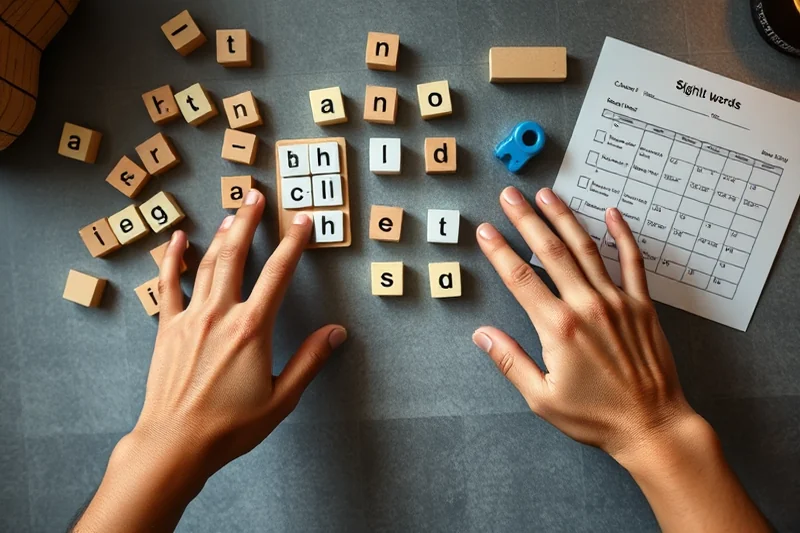
I use a simple progress chart to track each child’s mastery of sight words. Each time they successfully recognize a word, I mark it off on the chart. This not only gives them a sense of accomplishment but also helps me see where they need more practice. I’ve found that this system is especially useful for parents who are teaching at home.
I also update the checklist regularly based on the child’s progress. For example, if a child is struggling with a particular word, I might add an extra activity or repeat the word in more contexts. This flexibility ensures that the checklist is always working for the child, not against them.
One of the most valuable aspects of tracking progress is the ability to celebrate small victories. I’ve seen children become more confident in their reading skills simply because they could see their progress on a chart. This kind of motivation is invaluable.
Making Sight-Word Practice a Daily Habit
I’ve found that integrating sight-word practice into the child’s daily routine makes it easier to stick with. For instance, I use the checklist as part of our morning routine, after breakfast but before school. This way, it’s a natural part of the day and doesn’t feel like an extra task.
When I first started using the checklist daily, I noticed that my students were more engaged and less resistant to practice. It became a part of their day, like brushing their teeth or eating breakfast. This consistency led to faster progress and a more positive attitude toward learning.
One of the best things about making it a daily habit is that it builds long-term retention. I’ve seen children who practiced regularly for just a few weeks begin to recognize sight words automatically — without even thinking about it. That’s the power of consistency.
👶 Younger Kids (Ages 3-5)
Use picture cards, songs, and simple games to teach sight words in a fun and engaging way. Focus on high-frequency words and short, repetitive activities.
🎓 Older Kids (Ages 6-8)
Incorporate reading comprehension, vocabulary building, and writing activities to reinforce sight words in more complex contexts.
🧳 No-Prep Option
Use flashcards and quick games that require no preparation. Ideal for busy parents or teachers who need a quick, effective practice session.
👥 Group Version
Designed for classroom settings, this version includes collaborative activities, peer teaching, and group games that promote teamwork and competition.
🚀 Extension Activity
Add a challenge by using the sight words in creative writing, storytelling, or even in a classroom play to deepen understanding and application.
| The mistake | Why it happens | The fix |
|---|---|---|
| Skipping the review phase of the checklist. | Review is crucial for long-term retention. Without it, children may forget the words they've learned. | Always include a quick review at the end of each session, even if it's just a few minutes. |
| Using only one type of activity. | Children learn in different ways, and using only one type of activity can lead to disengagement. | Mix up the activities to include visual, auditory, and kinesthetic elements for a more well-rounded learning experience. |
| Not adjusting the checklist as the child progresses. | A checklist that doesn’t adapt to the child’s needs can become ineffective over time. | Update the checklist regularly based on the child’s progress, adding new words or adjusting activities as needed. |
| Forcing the child to practice without their interest. | Children who are forced to practice may become resistant or disengaged, which can hinder learning. | Involve the child in choosing activities and make learning feel like a game or a fun challenge. |
Sight-word Practice Lesson Checklist
Common Questions
How long should a sight-word practice session be?
Can I use this checklist for multiple children at once?
What if my child is not interested in the activities?
Can I print the checklist for my classroom?
References
- Lesson Plans (crane.osu.edu)
- David Kilpatrick Facilitator's Guide to Book Stud (dese.ade.arkansas.gov)
- Monday Aiden's Birthday Celebration Tuesday Sight Word Test ... (dickinson.edu)
- Family Literacy Work-Related Lesson Plans (ed.psu.edu)
Cite this guide
Wordsonsight (2026). Sight-word Practice Lesson Checklist. https://wordsonsight.com/sight-word-practice-lesson-checklist/
Feel free to cite or share this guide.