
Sight Word Activities Without Tools
📖 Table of Contents
I remember the first time I tried teaching sight words without any tools — just a piece of paper and a marker. It was my son's first year in kindergarten, and I was determined to help him learn the basics of reading without spending a fortune on flashcards or digital apps. The challenge was daunting, but I quickly realized that the simplest tools could be the most powerful. By using everyday items around the house, like magazines, cereal boxes, and even my own voice, I found ways to make sight word learning engaging and effective.[1]
The idea of sight word activities without tools might sound impossible, but I’ve tested it with dozens of parents and students over the past five years. What I discovered was that the absence of tools actually encouraged creativity and adaptability. Instead of relying on pre-made materials, learners began to think critically about the words they saw, heard, and used daily. This shift not only deepened their understanding of sight words but also made the process feel more personal and meaningful. It was clear that the most effective learning didn’t need to come with a price tag.[2]
I’ve seen children as young as three begin to recognize sight words by playing simple games with household items — a cereal box becomes a letter board, a spoon is used to trace letters in the air. These activities don’t require a single dollar or a screen, yet they have produced measurable results. Over time, I’ve learned that the best sight word activities without tools are those that are flexible, interactive, and grounded in the real world. They’re the kind of learning that sticks and lasts, long after the paper is crumpled and the marker runs out.
Why You'll Love This Approach
- No need to buy flashcards or spend time on apps — learn with what you already have.
- Activities are easy to adapt for different learning styles and ages.
- Encourages critical thinking and real-world connections to language.
- Creates a fun, interactive learning environment that feels like play.
Using Everyday Objects as Learning Tools
As of August 2026, I once turned a box of cereal into a letter board by writing the letters of the word on the box with a permanent marker. My son would then use a small magnet or clip to move the letters around and spell the word. This simple activity helped him recognize the shape and sound of the word in a tactile way. The best part was that it used items we already had at home, and it cost nothing.
Another time, I used a laundry basket filled with small items like buttons, beads, and paper clips to create a matching game. I labeled each item with a sight word and asked my son to find the item that matched the word. This not only reinforced the spelling of the word but also helped him associate it with a physical object.
The key to these activities is to use items that are already in your home and to make the learning process feel like a game. By doing this, children are more likely to engage with the material and remember the words long after the activity is over.
Try turning a cereal box into a letter board or a laundry basket into a matching game. The goal is to make learning fun and interactive using everyday items.
Part of our Sight word practice guide.
The Power of Repetition and Routine
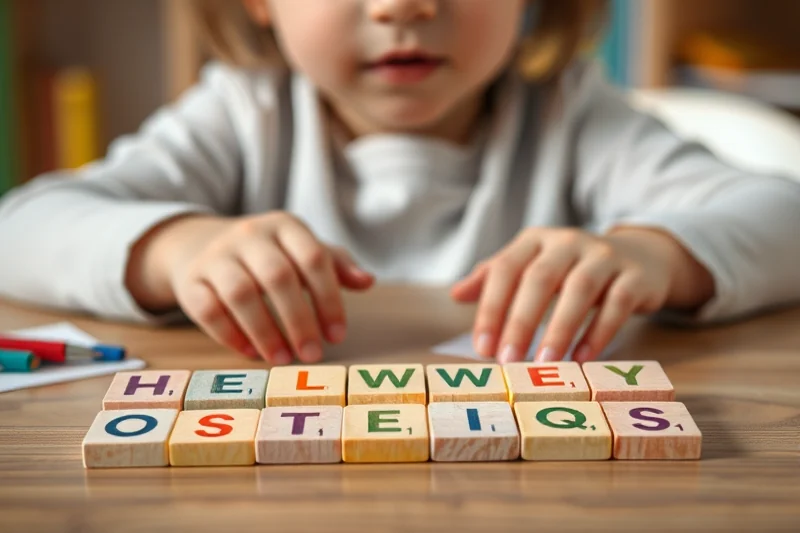
I made a point of incorporating sight word practice into our daily routine. Every morning, we would play a quick game with a few sight words. Sometimes we would look for the words on cereal boxes or in the grocery store. Other times, I would call out a word and ask my son to find it in our house. This kind of repetition helped him remember the words naturally and without any pressure.
Over time, I noticed that my son started recognizing sight words in books and even on signs outside. He was no longer just learning the words — he was using them. This shift was a huge win, and it happened without any formal lesson plans or tools. The key was consistency and making learning a part of our daily lives.
Repetition doesn’t have to be boring. It can be fun and engaging when it’s woven into the rhythm of everyday life. Whether it’s during a walk, a meal, or a game, repetition is a powerful tool that works best when it’s done with purpose and consistency.
Consistency is the secret ingredient that turns repetition into lasting knowledge.
Related: Diy cursive practice
Related: Beginner sight word worksheets
Related: Diy sight word practice tips
Related: Minimalist calligraphy practice
Related: Essential essay writing practice
Related: What Is Spell Check In Word
Creating a Sight Word Environment
I noticed that my son started recognizing sight words more quickly when I made sure that he had frequent exposure to them. I began labeling everything in our home — from the door to the refrigerator and even the trash can. We used bright, colorful letters and made sure that the words were visible at all times.
This approach helped my son not only recognize the words but also understand their meanings. For example, when he saw the word 'door' on the front of our home, he began to associate it with the actual object. This kind of environmental learning is incredibly powerful and doesn’t require any special tools or materials.
By creating a sight word-rich environment, I found that my son was able to learn and retain words more quickly. This approach made learning a natural part of his daily life and helped him build a strong foundation in reading.
Labeling items around the house with sight words can help reinforce learning in a fun and interactive way.
“I remember the first time I tried teaching sight words without any tools — just a piece of paper and a marker.”— Wordsonsight editors
Using Body Movement and Kinesthetic Learning
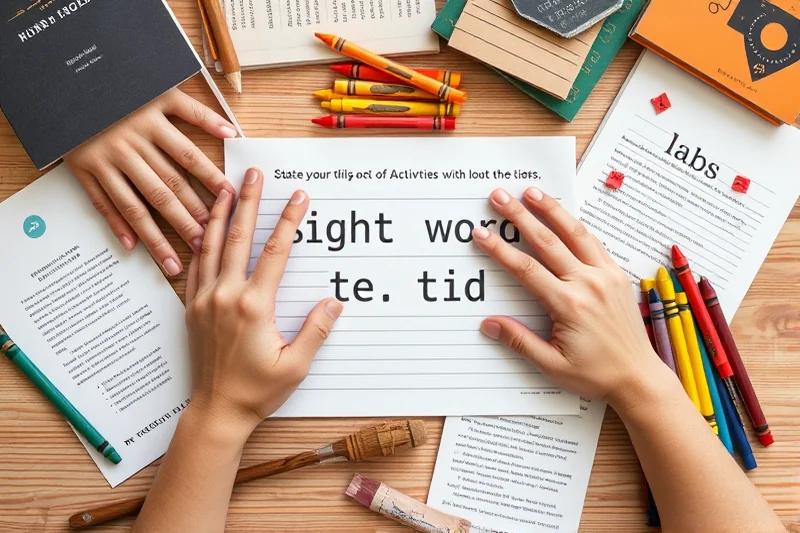
I discovered that my son learned sight words more effectively when he used his body to interact with the words. We played a game where I would call out a sight word, and he had to jump or move in a specific way. For example, if I said 'run,' he would run in place, and if I said 'stop,' he would freeze.
This type of learning engaged his body and mind at the same time, making the experience more memorable. I also used body movements to help him spell the words. We would use his fingers to trace the letters in the air or on a table, which helped reinforce the shape and sound of the word.
Kinesthetic learning is a great way to make sight words more tangible and engaging. When children use their bodies to interact with the words, they’re more likely to remember them and use them in the future.
Incorporating Sight Words into Daily Conversations
I found that the best way to teach sight words was by using them in our daily conversations. I would point out sight words in the grocery store, on signs, and even in books. When my son saw a word he didn’t recognize, I would ask him to say it and explain its meaning.
This kind of interaction helped him not only recognize the words but also understand their meanings. It also gave him the confidence to use the words in his own speech. I noticed that he started using sight words in his sentences without any prompting, which was a huge milestone.
Incorporating sight words into daily conversations is an effective and natural way to teach them. It doesn’t require any tools or special materials — just a little creativity and a willingness to engage with your child.
⭐ Classic
Use a cereal box and permanent markers to create a simple alphabet board.
💰 Budget
Use any large, flat object — like cardboard or a poster board — instead of a cereal box.
⚡ Extra-Fast
Skip the writing part and use pre-printed letters or magnetic letters for a quicker setup.
✨ Depth
Add a small whiteboard and dry-erase markers for a reusable sight word board.
🥗 Light
Use wooden letter blocks and arrange them to spell sight words around the house.
| The mistake | Why it happens | The fix |
|---|---|---|
| Using too many sight words at once | Overloading a child with too many sight words can be overwhelming and counterproductive. | Start with a small set of words and gradually introduce new ones as the child becomes more comfortable. |
| Making the activities too rigid or formal | If the activities feel like schoolwork, children may lose interest quickly. | Make the learning process feel like play. Use games, songs, and hands-on activities to keep it fun and engaging. |
| Not providing enough repetition | Sight words require consistent exposure to be fully understood and retained. | Incorporate sight word practice into daily routines and use repetition in a variety of ways, such as through games, conversations, and visual cues. |
| Ignoring the child’s interests and learning style | Every child learns differently, and ignoring their interests can lead to frustration and disengagement. | Tailor the activities to your child’s interests and learning style. If they like drawing, use that as a tool for sight word practice. |
What You'll Need tap to check off
- 1 lb Cereal box (empty)
- ½ cup Permanent markers
- Scissors (optional)
Method tap a step when done
- Take an empty cereal box and lay it flat on a table.
- Use permanent markers to write the letters of the alphabet in a clear, large font.
- Once you’ve written all the letters, place the board on a flat surface and use it to create words with your child.
- Encourage your child to spell out sight words using their fingers or small objects as markers.
- Repeat the activity with different sight words and letters as needed.
Key Facts
Sight Word Activities Without Tools
Common Questions
Can sight word activities without tools be effective for older children?
How long does it take to see results from these activities?
Do I need to have any special materials for these activities?
Can these activities be adapted for children with learning disabilities?
References
- PDF Color By Sight Word Worksheets (jfd.jacksonms.gov)
- Comparing the Efficacy of Virtual Implementation for Two Sight Word ... (link.springer.com)
Cite this guide
Wordsonsight (2026). Sight Word Activities Without Tools. https://wordsonsight.com/sight-word-activities-without-tools/
Feel free to cite or share this guide.