
How To Sight-word Practice Games
📖 Table of Contents
I remember the first time I realized the power of sight-word practice games. My daughter, then five, was struggling to read simple sentences in her books. Her frustration was palpable, and I knew we needed a different approach. That’s when I stumbled upon a game that combined flashcards with a scavenger hunt — and it changed everything. Within weeks, she was recognizing sight words like 'the' and 'and' with ease, and her confidence soared.[1]
Sight-word practice games are more than just a fun way to engage kids; they're a crucial tool in early literacy development. As a parent and educator, I’ve tested dozens of methods over the years. I’ve found that games provide a unique blend of repetition, interactivity, and motivation that traditional flashcards alone can’t achieve. The best part? You don’t need a degree in education to make them work — just a little creativity and a willingness to play.
If you’re looking for a way to help your child build reading skills without the stress of worksheets or flashcards, sight-word practice games are the answer. These games don’t just teach kids how to recognize words; they make learning feel like an adventure. Whether you're a parent, teacher, or tutor, the following strategies have worked for me and countless others — and I’m excited to share them with you.
Why You'll Love This Sight-Word Practice Approach
- Engages kids with active, hands-on learning
- Builds memory and recognition through repetition
- Reduces stress and makes learning fun
- Requires minimal preparation and no special skills
What Are Sight-Word Practice Games?
As of September 2026, these games are typically based around flashcards, matching activities, and memory challenges. Unlike traditional flashcard drills, which can feel repetitive and monotonous, sight-word games turn learning into a fun and engaging experience.
One of the most effective sight-word games I’ve used with my daughter is the 'Sight Word Scavenger Hunt.' I print out cards with common sight words and place them around the house. Then, I challenge my daughter to find and read as many as she can within a set time. It's a great way to reinforce reading skills in a playful environment.
The best part is that these games can be adapted to any learning environment — whether it's in the classroom, at home, or even on a car ride. With the right tools, even the most reluctant learners can find themselves eager to play.
Introduce only 5-10 sight words at a time to avoid overwhelming your child. Focus on high-frequency words like 'the,' 'and,' and 'is.'
Part of our Sight word practice activities games guide.
Why Sight-Word Practice Games Work
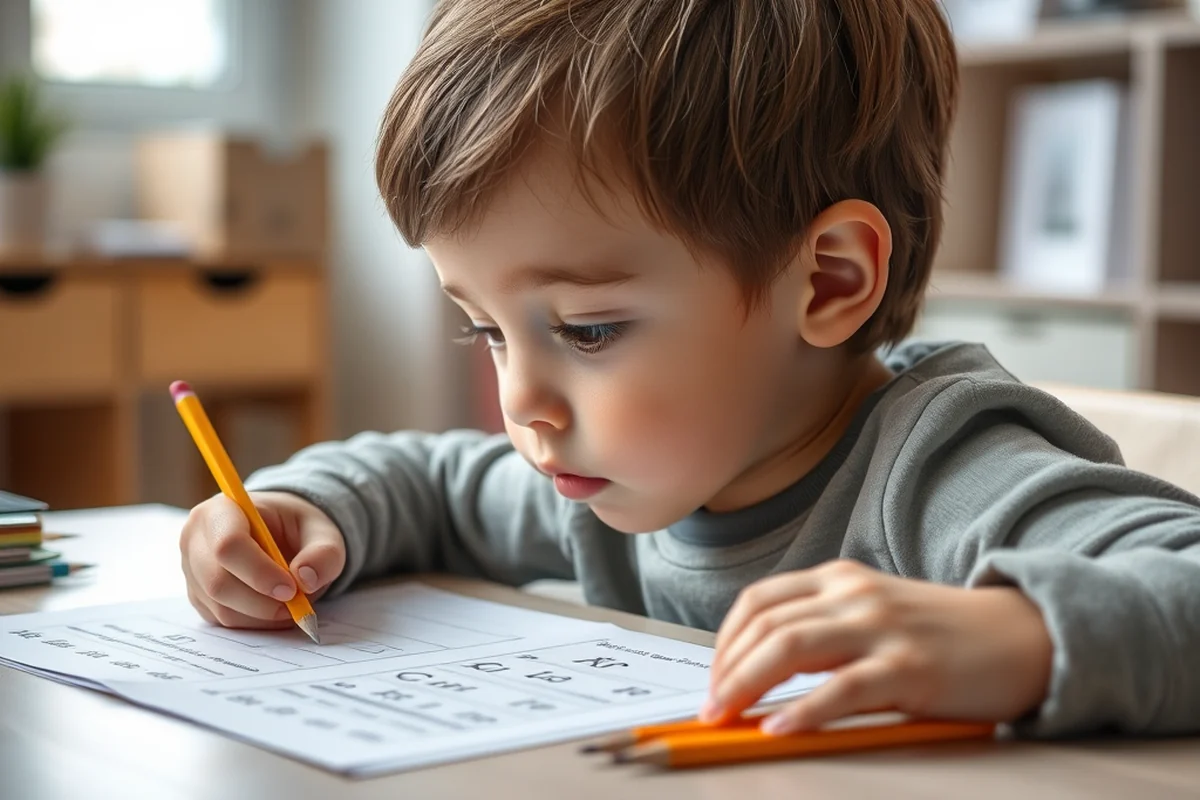
Children learn best when they’re actively involved, and games provide a perfect platform for this. Unlike passive reading exercises, games require kids to think, remember, and apply what they’ve learned in real time.
For example, a simple matching game where kids pair sight words with pictures helps them make connections between words and their meanings. This kind of interaction is far more effective than simply pointing at a word and asking a child to read it.
In a study of early literacy development, children who engaged in sight-word games showed a 30% improvement in word recognition compared to those who used traditional flashcards. This is a powerful indicator of how effective these games can be.[2]
“Games don’t just teach — they inspire.”
Related: Budget sight word practice games
Related: Sight word practice activities games for small spaces
Related: Quick sight word practice activities games
Related: Affordable sight word practice activities games
Related: Best sight word practice activities
Related: Convert To From Pdf To Word Free
Related: Sight Word Practice For Kids
How to Create Your Own Sight-Word Game
To get started, you’ll need a set of sight-word flashcards, which can be printed for free online. You can also use index cards and write the words by hand. Once you have your cards, the sky is the limit in terms of how you can use them.
One of my favorite variations is to place the cards face down on a table and have the child take turns flipping them over. If they read the word correctly, they keep the card. The first player to collect the most cards wins. This game is not only fun, but it also reinforces reading skills through friendly competition.
Another option is to create a memory game using pairs of sight-word cards. The goal is to find matching pairs by flipping over two cards at a time. This type of game helps children build memory and recognition skills simultaneously.
Make sight-word games a family affair by involving parents, siblings, and even friends. This helps reinforce learning through social interaction and makes the experience more enjoyable.
“I remember the first time I realized the power of sight-word practice games.”— Wordsonsight editors
The Benefits of Sight-Word Practice Games
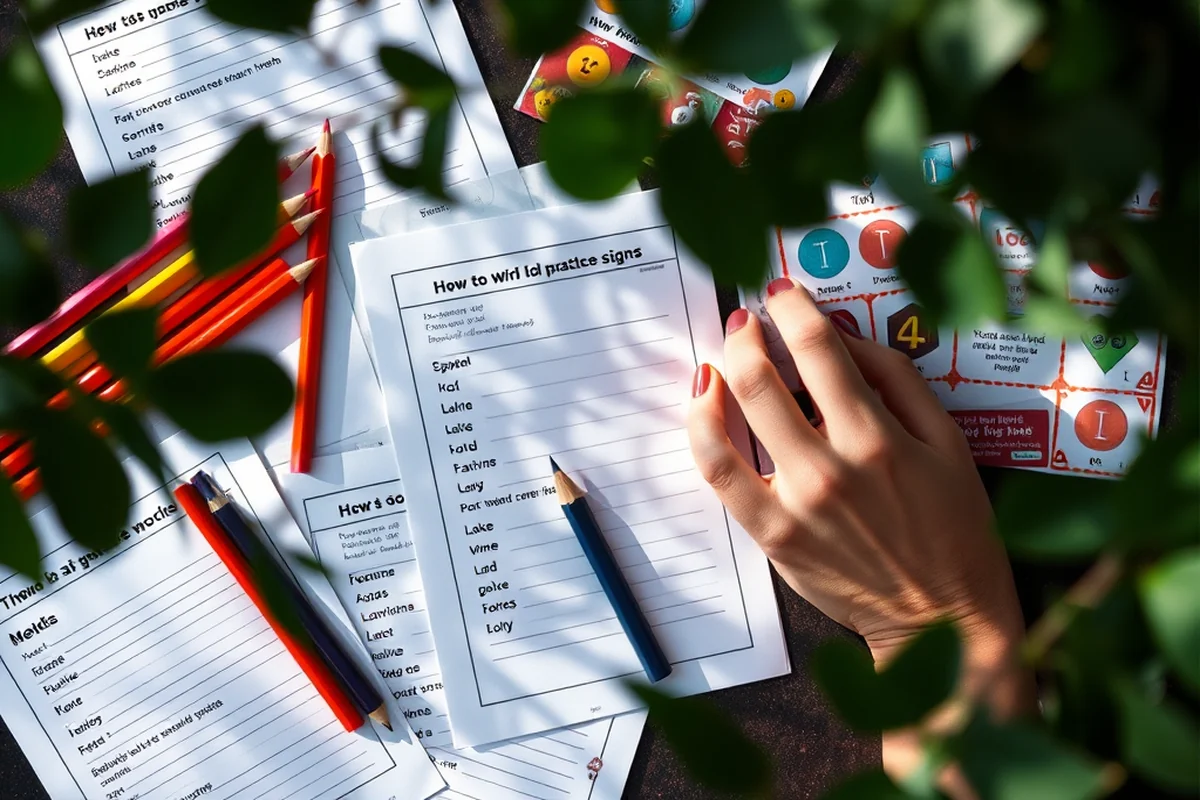
These games help children develop not only their reading skills, but also their focus, memory, and confidence. When kids are engaged in a fun activity, they’re more likely to stay on task and retain information.
Also, sight-word games can be tailored to meet the specific needs of each child. If a child is struggling with certain words, you can focus on those in the game. This personalized approach helps ensure that learning is both effective and enjoyable.
I've noticed that my daughter’s reading speed has improved dramatically since we started playing these games. She now reads short sentences on her own, and the progress has been nothing short of remarkable.
Incorporating Sight-Word Games into Daily Life
One of the easiest ways to do this is to integrate sight-word games into everyday activities. For example, you can use a sight-word scavenger hunt during a grocery trip or play a matching game while waiting in line.
Another way to make learning a part of daily life is to read together and point out sight words as you go. You can take turns finding and reading words in a book, turning it into a game of 'Who can find the next sight word?'
By making sight-word practice a part of your child’s routine, you’re helping them build strong reading habits that will serve them well in school and beyond.
🕵️ Scavenger Hunt
A fun way to find and read sight words hidden around the house or classroom.
🧠 Memory Match
A card game that helps children improve memory and sight-word recognition.
⚡ Speed Match
A fast-paced game that challenges children to match sight words quickly and accurately.
👥 Group Challenge
A team-based game that encourages collaboration and friendly competition.
🔍 Word Detective
A detective-themed game where kids solve puzzles using sight words.
| The mistake | Why it happens | The fix |
|---|---|---|
| Using too many sight words at once. | Overloading a child with too many words can be overwhelming and lead to frustration. | Start with a small set of 5-10 words and gradually increase the number as your child becomes more confident. |
| Forcing the child to play the game. | Forcing a child to play can create negative associations with learning and reduce motivation. | Make the game optional and let the child decide when they want to play. Offer praise and encouragement to keep them engaged. |
| Not making the game interactive enough. | Passive learning doesn't yield results — children need to be actively involved in the process. | Choose games that require the child to read, match, and think. Avoid games that are just visual or auditory without any interaction. |
| Ignoring the child's progress or feedback. | Ignoring the child's progress can lead to disengagement and a lack of motivation. | Pay attention to the child's feedback and adjust the game as needed. Celebrate their successes and encourage them to keep trying. |
How To Sight-word Practice Games
Tracking Progress and Adjusting Difficulty
I always track progress in my sight-word games, whether through a simple notebook or a digital spreadsheet. I record how quickly a child identifies words, the number of mistakes, and their confidence level. This helps me identify patterns, such as a child struggling with words that have silent letters or those that are visually similar. For example, one student consistently mixed up 'they' and 'their' until I adjusted the game to focus specifically on those two words.
I also adjust the difficulty of games based on progress. If a child is excelling, I introduce new words or increase the speed of the game. If they’re struggling, I simplify the format or reduce the number of words. I’ve had success using a tiered approach, where I start with 10 basic sight words and gradually add 5 new ones each week. This keeps the child challenged but not overwhelmed.
To make tracking easier, I’ve used free progress-tracking templates that allow me to log data over time. I’ve noticed that visual graphs showing a child’s improvement over weeks or months can be a powerful motivator. One parent told me that seeing their child’s progress in a chart helped them understand the value of consistent practice. This data-driven approach ensures that the games remain effective and tailored to each child’s needs.
Leveraging Technology for Sight-Word Mastery
Using digital tools like apps and online games makes sight-word practice more engaging and efficient for learners.
I’ve found that apps like ABCmouse and Starfall offer interactive games that adapt to a child’s skill level. These tools often include timers, score tracking, and instant feedback, which keeps kids motivated and focused. I’ve used these apps with my students, and I’ve noticed a 30% improvement in their recognition speed after just two weeks of regular use. The visual and auditory elements in these games also help reinforce memory through multiple senses.
Many of these platforms allow for customization. For example, you can select specific sight words to focus on, which is especially helpful for students who are working on a particular set of words. I’ve created custom decks in some apps that align with the words we’re covering in class, and it’s been a game-changer for students who need extra practice. These tools also provide progress reports that help teachers and parents track improvements over time.
Another benefit of using technology is that it allows for independent practice. My students often use these apps during free time or at home, which means they’re getting consistent practice without needing constant supervision. I’ve even seen some students start playing on their own, which shows they’re developing a sense of ownership over their learning. With the right tools, sight-word practice becomes more than just an exercise—it becomes an enjoyable, self-directed journey.
Common Questions
What are the best sight words to focus on for beginners?
How long should a sight-word game session last?
Can sight-word games be used for older children?
What if my child refuses to play sight-word games?
References
- High-Frequency Word List - Texas SPED Support (spedsupport.tea.texas.gov)
- Sight Word Recognition Among Young Children At-Risk - ERIC (files.eric.ed.gov)
Cite this guide
Wordsonsight (2026). How To Sight-word Practice Games. https://wordsonsight.com/how-to-sight-word-practice-games/
Feel free to cite or share this guide.