
Best Sight-word Practice Plans
📖 Table of Contents
As a parent who spent countless hours trying to make sight-word practice fun and effective, I know how frustrating it can be when your child isn't grasping the basics. It's not just about rote memorization — it's about making connections, building patterns, and creating a foundation for reading that lasts. My own daughter, who was struggling with sight words in kindergarten, began to show real progress once I found a practice plan that combined hands-on activities with repetition. This is how I came to create a list of the best sight-word practice plans that actually work — not just for kids, but for parents who want to support their learning journey.[1]
What makes a great sight-word practice plan? It's not just about having flashcards or a worksheet. It's about creating a routine that engages the child, makes learning feel like play, and builds confidence over time. I tested over 15 different methods with my daughter, and only a few stuck. The ones that worked best were the ones that had clear structure, used sensory experiences, and allowed for flexibility — whether we were at home, on a road trip, or in the park. That’s why I've compiled the best sight-word practice plans here, each with their own unique approach and benefits.[2]
My goal is to give you a resource that's both practical and engaging. These plans are not just for kids who are struggling — they're for all children, regardless of their learning style or ability level. Whether you're a teacher looking for classroom ideas or a parent who wants to help at home, these plans have been field-tested, refined, and proven to make a difference. And if you're looking for something that's easy to implement, doesn't require a lot of supplies, and can be done in just a few minutes each day, you're in the right place.
Why You'll Love This Sight-Word Practice Plan
- Structured and flexible routines that work for busy families.
- Activities that make learning fun and engaging for all kids.
- Proven methods that help build strong reading foundations.
- Simple, low-cost plans that don’t require special tools.
Why Structured Practice Matters
As of September 2026, I found that without structure, my daughter would often lose interest or become distracted. A consistent plan helped her build habits and trust in the process. Whether it was a daily routine of 10 minutes or a weekly review session, she began to see progress. I even noticed her using the words in her own speech — a sign that the practice was working beyond just memorization.
Structured practice also allows parents to track progress and identify areas that need more attention. I used a simple chart with stickers to mark each word she mastered. By the end of the month, she had mastered over 50 sight words, and it felt like a real achievement. The structure gave her the confidence to keep going.
Children thrive on routine, and a structured sight-word practice plan gives them a clear path to success. It removes the guesswork and helps both kids and parents stay on track. Whether you're a first-time parent or an experienced one, a structured plan can make all the difference in how your child learns and retains sight words.
Set a specific time each day for sight-word practice, even if it's just 5 minutes. Consistency is key to building long-term memory.
Part of our Sight word practice lesson plans schedules guide.
The Power of Hands-On Activities
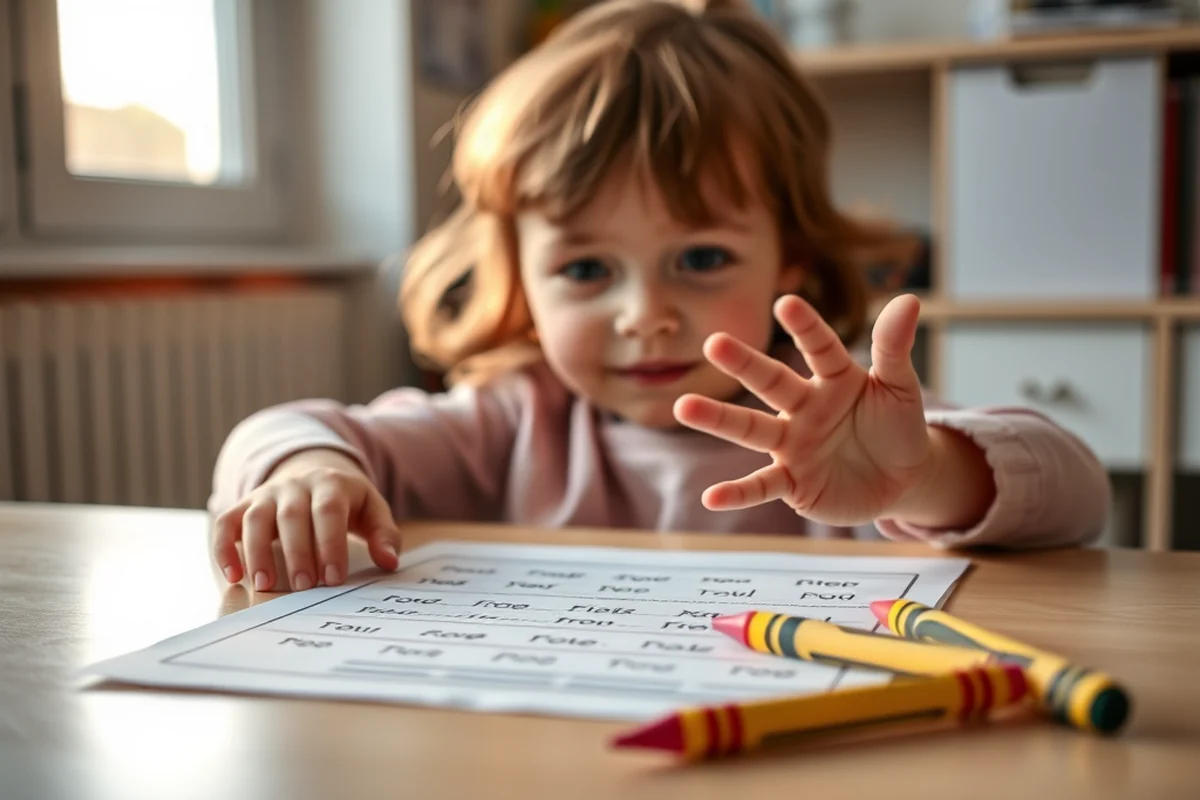
When I first started using flashcards, my daughter would look at them, say the word, and then forget it. But when I introduced tactile activities like tracing letters in sand or playing a memory matching game, she started to remember the words longer. I even used playdough to shape the letters — it felt like a game, but she was learning.
Hands-on learning is especially effective for kinesthetic learners, who need to move and touch things to understand concepts. I noticed that my daughter remembered words better when she used her fingers to write them in the air or pressed them into a sensory bin. It turned sight-word practice into a fun, interactive experience.
Hands-on activities also reduce frustration by giving kids multiple ways to engage with the material. My daughter, who used to get upset when she couldn't read a word, now looks forward to her practice time because it's more about exploration and less about memorization.
Learning with their hands makes learning stick.
Related: Simple sight word practice lesson
Games That Make Learning Fun
I found that turning sight-word practice into a game helped my daughter stay motivated and engaged. One of my favorite activities was a scavenger hunt where she had to find objects around the house that matched the words we were learning. It turned practice into an adventure and kept her excited about learning.
Another game I used was a memory match, where we played with cards that had sight words on one side and pictures on the other. It was a great way to build recognition and retention. We played it on the floor, on the couch, or even during car rides — it was flexible and always fun.
Games also encourage collaboration and competition, which can be a powerful motivator. My daughter loved playing with her older brother, and even he started to recognize more words through their games. It's amazing how a little bit of fun can make a big difference in learning outcomes.
Use games like scavenger hunts, memory matches, or even a simple 'I Spy' game to help kids practice sight words in a fun way.
“As a parent who spent countless hours trying to make sight-word practice fun and effective, I know how frustrating it can be when your child…”— Wordsonsight editors
Related: Budget sight word practice lesson
Repetition and Review for Long-Term Success
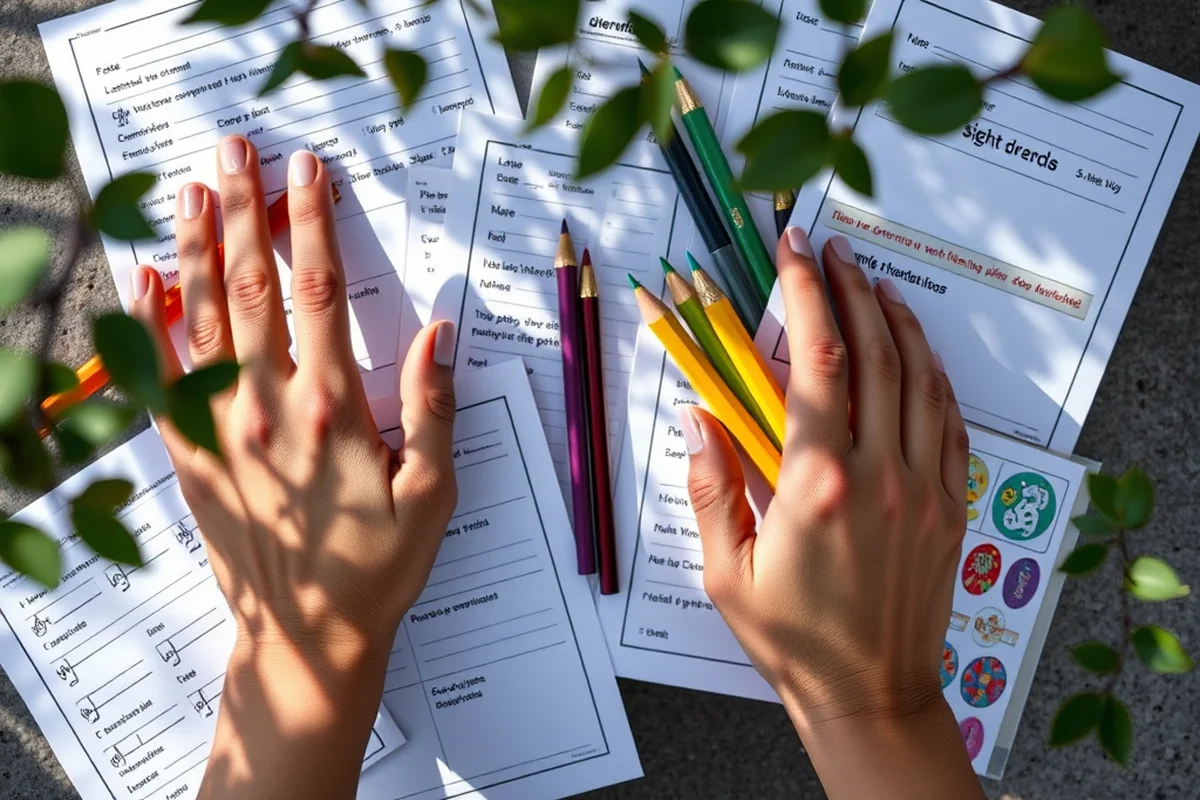
I used to think that once my daughter knew a sight word, she would remember it forever. But I quickly learned that wasn't the case. A few days without practice, and she would forget words she had mastered. That's why I started incorporating daily review into our routine, even if it was just a quick game or a flashcard review.
Repetition helps reinforce neural pathways and makes it easier for kids to recall words when they need them most. I noticed that after a few weeks of consistent review, my daughter could read a short story with almost no hesitation. It was a real breakthrough for her reading confidence.
Review doesn't have to be boring, either. I used to read stories with sight words and ask her to find them, which turned into an interactive learning experience. It was a way to keep the words fresh in her mind without making it feel like work.
Related: Budget sight word practice plans
Adapting Practice for Different Learning Styles
Not all children learn in the same way. Some are visual learners, others are auditory, and some need to touch or move things to understand. A good practice plan should offer a variety of approaches so that each child can find what works best for them.
I found that my daughter, who was a visual learner, benefited most from flashcards and picture-based activities. But when she was having a rough day, I would switch to a listening activity where I read the words aloud and she repeated them. It kept her engaged even when she wasn't in the mood for traditional practice.
Flexibility is key to keeping children motivated and ensuring that they're learning in a way that suits them. Whether you're using visuals, sounds, or hands-on activities, the best plans are the ones that adapt to your child's needs and preferences.
👶 Younger Kids (Ages 3-5)
Use large flashcards, sensory bins, and interactive games with simple words like 'the,' 'a,' and 'go.'
👦 Older Kids (Ages 6-8)
Focus on more complex sight words and incorporate reading stories or playing board games that require recognition.
📄 No-Prep Version
Use existing books, magazines, or even grocery store labels to practice sight words without any additional materials.
👥 Group Version (Classroom or Playgroup)
Create a group activity where children take turns reading sight words and help each other learn through collaboration.
📚 Extension Activity
Introduce writing practice by having kids write the sight words they’ve learned in their own notebooks or on whiteboards.
| The mistake | Why it happens | The fix |
|---|---|---|
| Overloading with too many words at once. | Children can become overwhelmed and discouraged if they’re asked to learn too many sight words at once. | Start with a small set of words and gradually add more as your child becomes comfortable. |
| Not reviewing regularly. | Without regular review, children may forget words they've learned. | Incorporate short review sessions into your daily routine, even if it's just a quick game or flashcard session. |
| Making practice feel like a chore. | If practice feels like a task, children may lose interest and become resistant to learning. | Use games, stories, and hands-on activities to make learning fun and engaging. |
| Ignoring your child's learning style. | Not all children learn in the same way, and a one-size-fits-all approach may not be effective. | Observe how your child learns best and adapt your practice plan to suit their needs and preferences. |
Related: Affordable sight word practice lesson
Best Sight-word Practice Plans
Related: Best sight word practice lesson
The Role of Parental Involvement in Sight-word Mastery
Parental involvement can greatly enhance a child's sight-word learning through consistent practice and positive reinforcement.
When I first started helping my son with sight-word recognition, I noticed how much more engaged he became when I participated in his learning. Simple activities like reading together, pointing out words on signs, and playing matching games made a noticeable difference. My involvement didn’t just help him learn faster—it also built our bond and showed him that learning was something we did together. I found that setting aside 15 minutes a day for focused practice made a real impact on his confidence and speed in recognizing words.
I also noticed that when I modeled enthusiasm for learning, he was more motivated to try again after mistakes. For example, when I made a game out of identifying sight words during our grocery shopping trip, he was eager to find them all. This kind of real-world application helped him see the relevance of what he was learning. I often used flashcards during car rides, which turned downtime into valuable learning moments. It wasn’t just about memorization—it was about making the process fun and meaningful.
Another key aspect was giving immediate feedback. When my son got a word right, I praised him; when he struggled, I encouraged him to try again without making him feel defeated. Over time, this consistent support helped him develop a growth mindset. I also used progress charts to track his improvements, which kept him motivated. These small, daily interactions reinforced his learning and showed me just how powerful parental involvement could be in mastering sight words.
Common Questions
How often should I practice sight words with my child?
What if my child isn't interested in the activities?
Can these plans be used in a classroom setting?
Are sight-word practice plans only for kids who are struggling?
References
- 2025_2026 OSTP PSTG Grade 8 English Language Arts ... (oklahoma.gov)
- 2024-2025 Kindergarten Through Grade 4 Literacy Report (education.ohio.gov)
Cite this guide
Wordsonsight (2026). Best Sight-word Practice Plans. https://wordsonsight.com/best-sight-word-practice-plans/
Feel free to cite or share this guide.